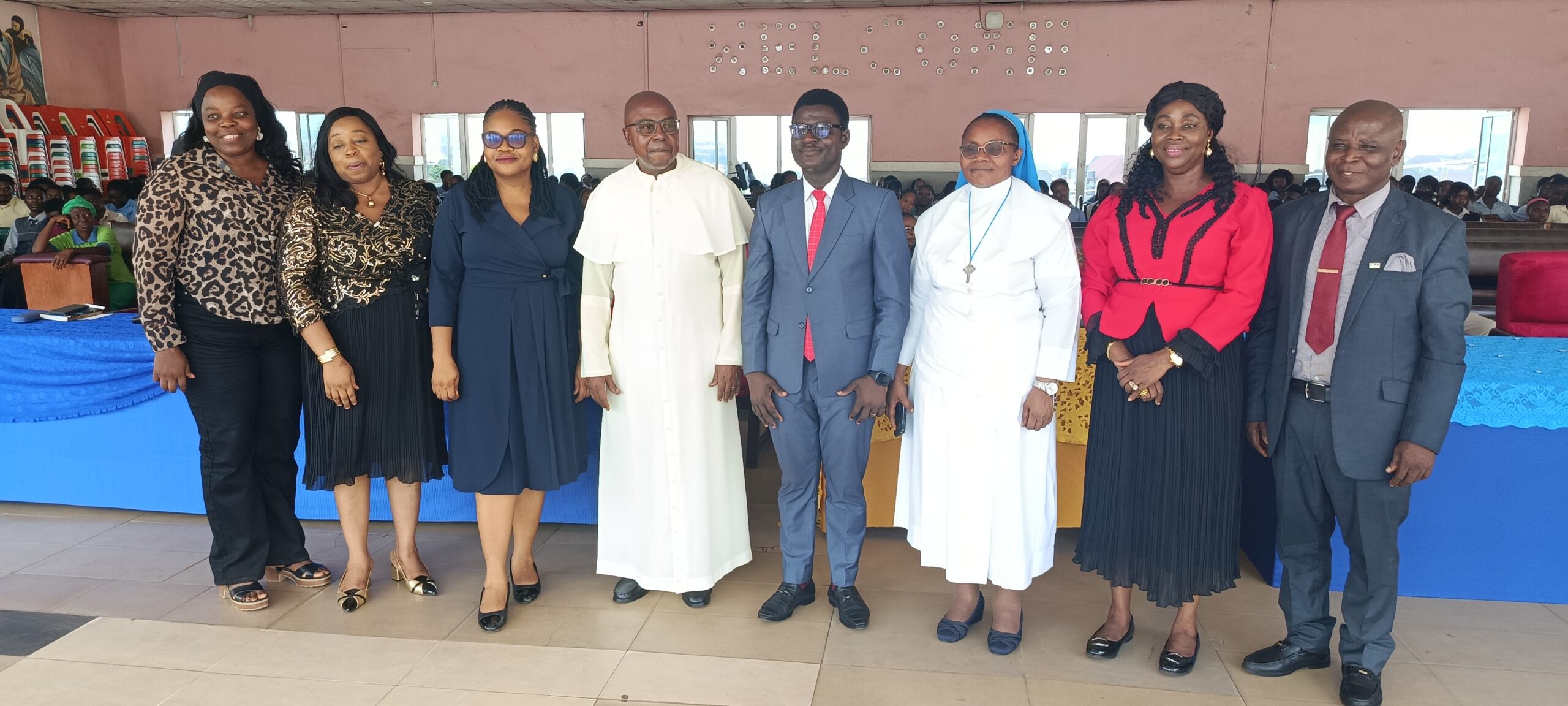
Tax reforms take centre stage as Enugu Revenue Chairman Emmanuel Nnamani urges compliance and highlights new policies during a public lecture at Godfrey Okoye University.
Enugu, Nigeria – The Chairman of the Enugu State Internal Revenue Service, Mr. Emmanuel Ekene Nnamani, has called for greater tax compliance among Nigerians, outlining sweeping tax reforms during a public lecture at Godfrey Okoye University.
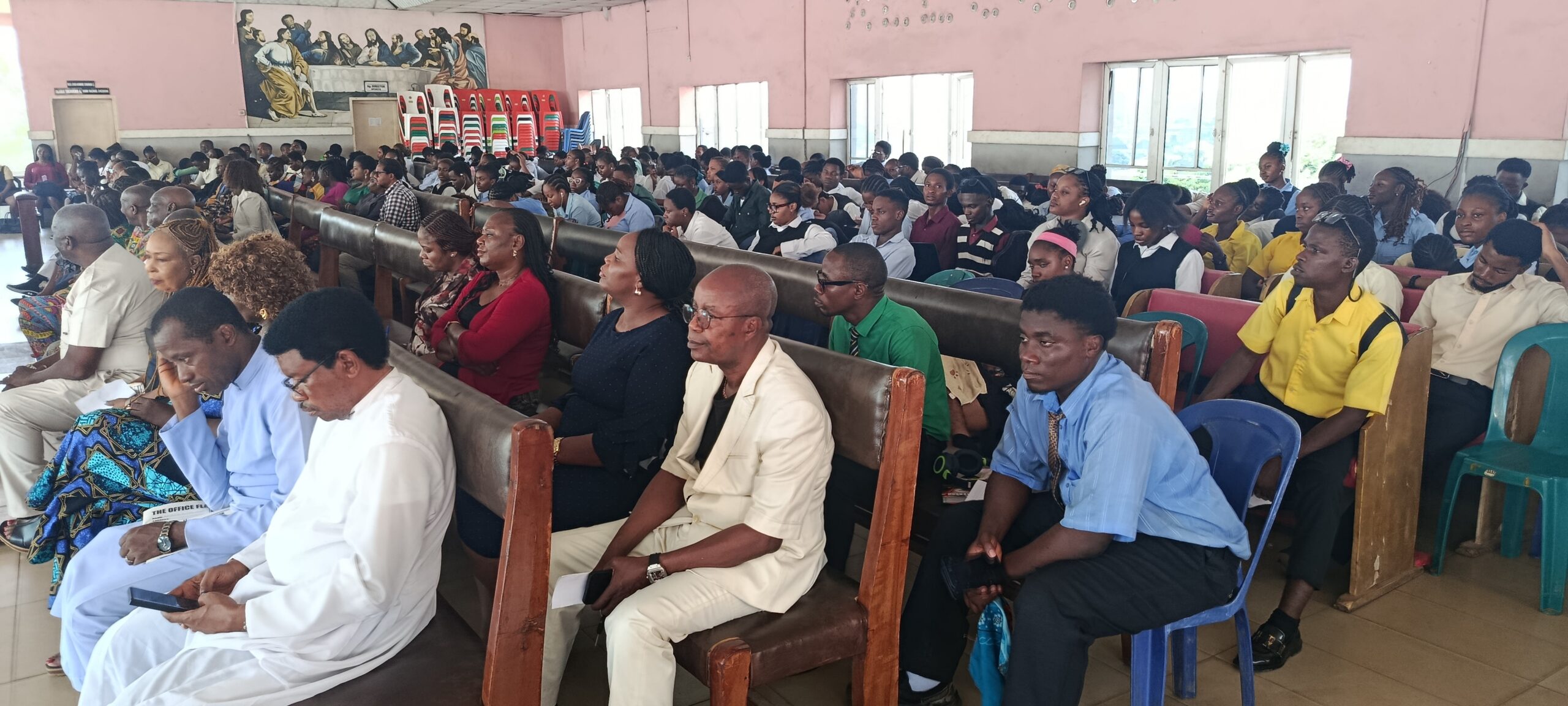
The lecture, held at the Goodluck Jonathan Arena, brought together students, academics, and stakeholders from the business community to discuss Nigeria’s evolving tax system.
Speaking on the country’s new tax regime, Nnamani highlighted key reforms aimed at modernising revenue administration, including the establishment of the Joint Revenue Board (JRB), which now oversees tax harmonisation, collection processes, and Tax Appeal Tribunals.
He explained that the Nigerian Tax Act expands the scope of taxable income across individuals and organisations while introducing exemptions to protect low-income earners.
Describing the reforms as “pro-citizen,” Nnamani noted that many Nigerians, including university staff, may fall below the taxable threshold due to income levels.
He further disclosed that the new regime supports investment in sectors such as agriculture through tax holidays of up to five years, facilitated by the Nigerian Investment Promotion Commission.
On cost-of-living relief, he stated that Value Added Tax (VAT) has been removed from essential goods and services, including food, healthcare, and transportation.
Addressing corporate taxation, Nnamani emphasised that legitimate business expenses, particularly those related to employee welfare, are tax-deductible.
He, however, raised concerns about poor corporate governance practices among businesses in the South-East, noting widespread non-compliance with the 2018 Code of Corporate Governance.
“Many businesses are not properly structured to meet regulatory expectations, and this limits growth and accountability,” he said.
On charitable donations, he clarified that contributions must be made in the name of companies-not individuals-to qualify for tax benefits, and must be directed to recognised entities such as NGOs, schools, foundations and religious organisations.
Nnamani also outlined key taxpayer obligations, including obtaining a Tax Identification Number (TIN), filing annual tax returns, and fulfilling payment requirements.
He warned that failure to file returns between January 1 and March 31 attracts penalties of up to ₦100,000, although Enugu State has extended its deadline to December 31.
He added that individuals must file independently, even if employers have already filed on their behalf, especially where multiple income sources exist.
The ESIRS Chairman also addressed emerging areas such as digital taxation, noting that profits from cryptocurrency transactions are taxable.
“There is no completely decentralised system. Transactions are traceable, and taxes will apply on profits,” he said.
On the informal sector, he acknowledged challenges with record-keeping but noted that the law allows for self-assessment, with authorities applying presumptive tax models where necessary.
Highlighting the impact of improved revenue collection, Nnamani pointed to ongoing development projects across Enugu State, including investments in all wards through smart schools and healthcare infrastructure.
He also referenced key economic initiatives such as the revitalisation of Niger Gas, Hotel Presidential, and the International Conference Centre, alongside agricultural investments like United Palm Products and a large-scale poultry ecosystem.
Responding to questions, he noted that tax collection levels in the state remain below optimal levels, citing examples of low annual tax payments by traders relative to their turnover.
“This shows that we are still at a very low level of tax compliance,” he said.
In his remarks, the Vice-Chancellor of the university, Prof. Christian Anieke, commended the ESIRS chairman for the insightful lecture, describing it as a valuable platform for civic awareness and interdisciplinary learning.
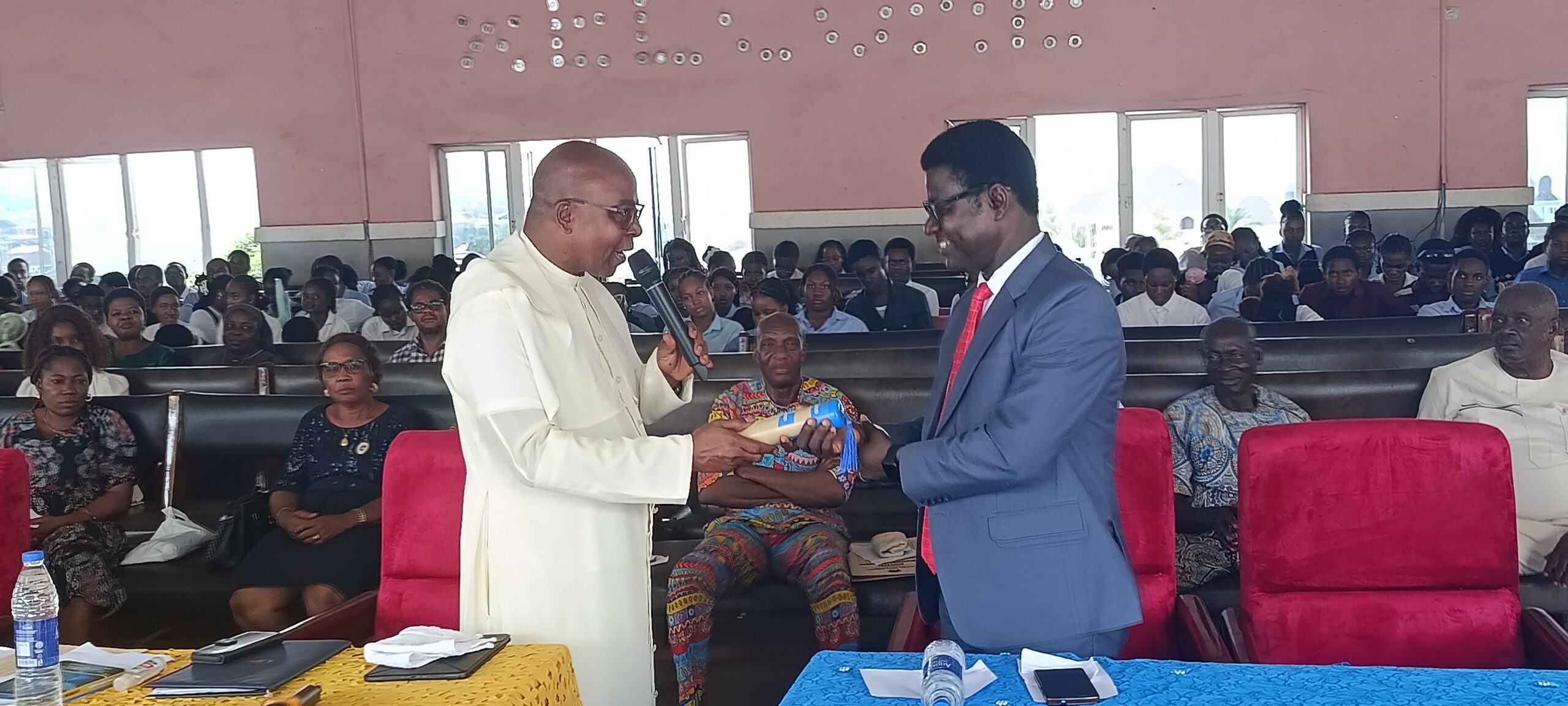
The event concluded with the presentation of a commemorative scroll to Nnamani in recognition of his contribution.
Visit GMTNewsng for more news stories.