The Ebola response in the Democratic Republic of the Congo is showing encouraging signs, but WHO says the outbreak remains serious, with more than 7,200 confirmed cases and over 3,500 deaths reported across seven provinces.
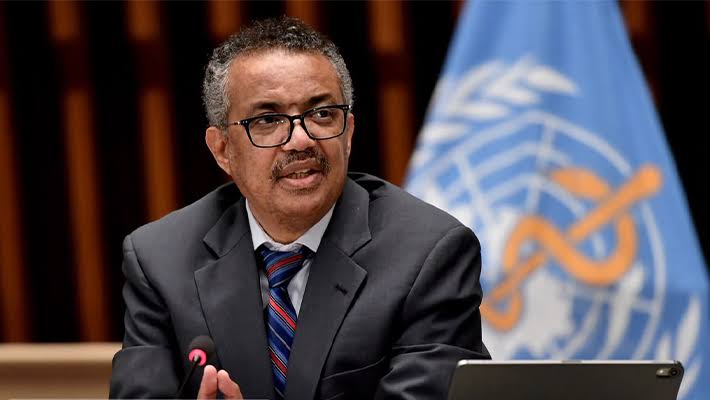
The Ebola response in the Democratic Republic of the Congo (DRC) is beginning to gain ground in some of the worst-affected areas, but the outbreak continues to spread and claim lives, the World Health Organization (WHO) Director-General, Dr Tedros Adhanom Ghebreyesus, has warned.
Tedros gave the assessment on Wednesday, September 16, during a virtual media briefing, saying transmission was declining in the most affected parts of Ituri Province, while South Kivu had reported no new cases since May.
More than 7,200 confirmed Ebola cases and over 3,500 deaths had been reported across seven provinces as of the briefing. WHO’s latest situation report, covering data through September 13, recorded 7,258 confirmed cases and 3,510 deaths.
Tedros said about 300 new cases and 160 deaths were reported in Ituri during the week preceding his briefing, accounting for nearly half of the national total.
Although transmission in Ituri was declining, he cautioned that the reduction was occurring from a high level.
In North Kivu, however, cases were rising rapidly, with weekly infections almost doubling from about 100 to more than 200 over a two-week period. WHO has described the transmission pattern as increasingly heterogeneous, with different areas experiencing different trends.
“It is many outbreaks, in many places. We must get the response right in every one of them,” Tedros said.
He noted that the affected areas ranged from major cities such as Kisangani, with about 1.5 million residents, to remote villages, conflict-affected communities, mining zones and sparsely populated areas near the South Sudan border.
According to Tedros, more than 1,700 people had recovered from Ebola since the outbreak began. He said the epidemic had remained concentrated largely in northeastern DRC after four months, apart from a small outbreak in Uganda that was swiftly contained.
WHO’s latest situation report also showed that Ituri remained the principal focus of the outbreak, although its share of total cases was declining as transmission increased in other areas.
Tedros attributed the progress recorded so far to the leadership of the DRC Government, collaboration between WHO, the Africa Centres for Disease Control and Prevention (Africa CDC) and other partners, as well as the work of thousands of health workers and frontline responders.
He said clinical trials of Ebola treatments and post-exposure prophylaxis were accelerating following increased community engagement, while vaccine trials were expected to begin in the coming weeks.
“We are already preparing to expand access to products should they prove efficacious in trials,” Tedros said.
Despite the progress, he warned against complacency, stressing that the epidemic remained serious and would require sustained action.
The WHO chief said high population mobility across the region could facilitate further spread, while poor roads and difficulties reaching some communities by small aircraft were complicating the response.
He also expressed concern about attacks on aid workers and health facilities in some areas, saying such incidents were making an already difficult response more challenging.
Tedros said the Ebola outbreak was compounding existing health and humanitarian pressures in the DRC.
He warned that the crisis could worsen hunger, discourage people from seeking healthcare, increase maternal deaths and disrupt treatment for people living with HIV.
He called for additional funding to sustain the Ebola response and support the wider humanitarian operation in the country, while thanking donors for their existing assistance.
Tedros said the outbreak was another reminder of the continuing global threat posed by infectious disease outbreaks, epidemics and pandemics.
He also highlighted efforts to strengthen global health security, including surveillance, laboratory capacity, early-warning systems, infection prevention and control, stronger health systems, community engagement and equitable access to vaccines, diagnostics and treatments.
He urged countries to complete negotiations on the Pathogen Access and Benefit-Sharing annex to the WHO Pandemic Agreement to enable the agreement to move towards ratification.
The WHO chief also addressed World Patient Safety Day, observed on September 17, saying the 2026 focus was safe care for people living with noncommunicable diseases.
WHO says the 2026 campaign, themed “Safe care for noncommunicable diseases” under the slogan “Safe care for life!”, focuses on reducing avoidable harm throughout prevention, diagnosis, treatment and long-term management of noncommunicable diseases.
The Ebola outbreak in the DRC therefore continues to present a mixed picture, with declining transmission in some locations alongside significant increases in others, underscoring the need for sustained surveillance, treatment, vaccination research and community engagement.
Visit GMTNewsng for more news stories.