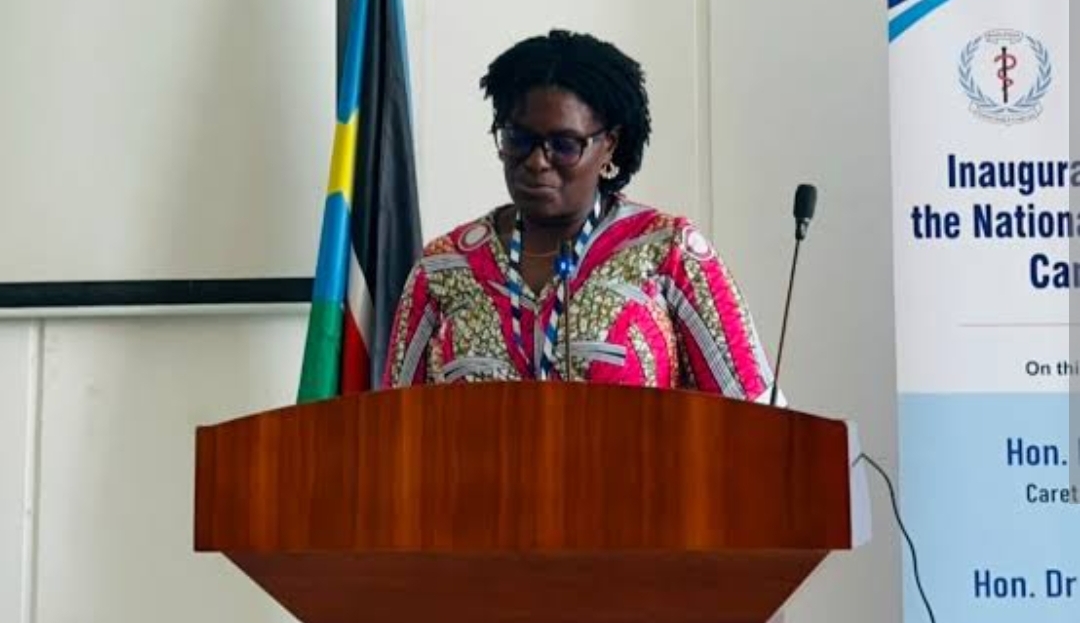
South Sudan has inaugurated its first cancer registry at Juba Teaching Hospital to track cases, improve disease surveillance and strengthen healthcare planning.
South Sudan has inaugurated its first population-based cancer registry at Juba Teaching Hospital in a major step towards improving cancer surveillance, healthcare planning and disease management.
The registry is designed to collect and track information on cancer types, distribution and trends across the country, providing reliable data to guide evidence-based healthcare decisions and resource allocation.
The Country Representative of the Africa Centres for Disease Control and Prevention (Africa CDC) in South Sudan, Tolbert Geewleh Nyenswah, said the initiative would strengthen cancer services and improve public health interventions.
He described the registry as more than a system for recording cancer cases, noting that it would provide a foundation for better decisions, stronger cancer services and more effective measures to protect public health.
Albino Amum Awin, Director of the Cancer Registry, said South Sudan had previously lacked a dependable system for documenting cancer cases, leaving public health authorities without essential information to guide interventions.
He added that the new system would enable the country to generate reliable cancer data and contribute to international health databases.
Caretaker Minister of Health, Dak Duop Bichiok, said the absence of reliable national cancer statistics had long hindered efforts to understand the country’s cancer burden and develop effective responses.
According to him, the registry would help the government and its development partners make informed decisions on cancer prevention, diagnosis, treatment and investment in healthcare services.
Bichiok also called on private hospitals, medical professionals and other health stakeholders to actively participate in cancer reporting to ensure comprehensive and reliable data collection.
Meanwhile, the Director-General of Juba Teaching Hospital, Anthony Lupai, acknowledged progress in developing cancer treatment expertise in South Sudan but noted that the country still lacked adequate facilities and medical equipment for comprehensive cancer care.
Lupai stressed that establishing the registry must be accompanied by increased investment in treatment facilities, skilled healthcare personnel and essential medical equipment to improve access to cancer care across the country.
Visit GMTNewsng for more news stories.