Enugu’s decades-long land dispute between the Onuogba Nike community and the Ezza Nkomoro community has been brought to an end after the Supreme Court affirmed the ownership claims of Onuogba Nike, ending nearly 50 years of litigation.
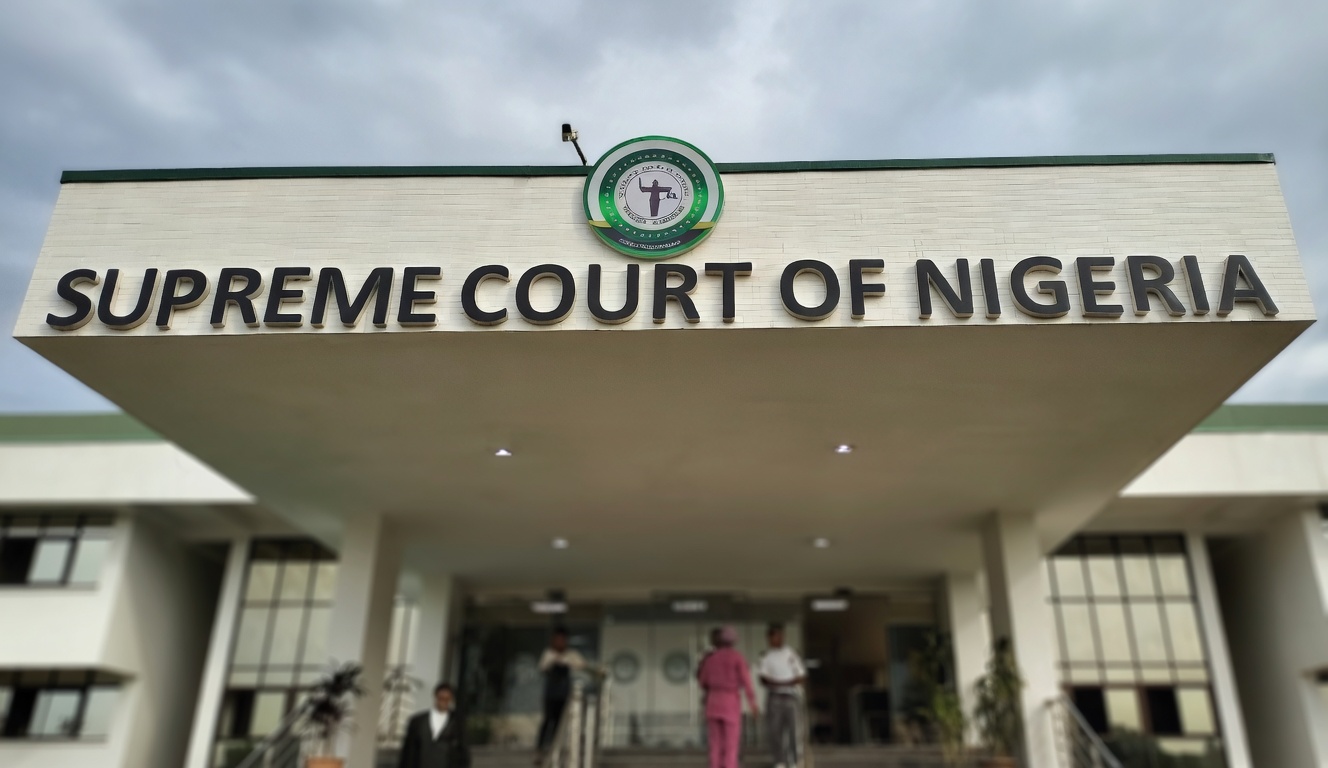
The Supreme Court has ended a nearly five-decade legal battle over disputed land between the Onuogba Nike community in Enugu East Local Government Area of Enugu State and the Ezza Nkomoro migrant community from Ebonyi State, affirming the ownership claims of the Onuogba Nike community.
In a judgment delivered on July 3, 2026, a panel of the apex court led by Justice Abba Aji upheld the earlier decision of the Court of Appeal, dismissing the appeal filed by the Ezza Nkomoro community and bringing one of the longest-running land disputes in Enugu State to a close.
Reacting to the judgment, former President-General of the Onuogba Nike community, Emmanuel Ubosi, described the ruling as a landmark victory for justice, saying it validated the position consistently maintained by his community throughout the prolonged litigation.
“The judgment is a triumph of justice. It has vindicated the position we consistently maintained throughout the legal proceedings,” Ubosi said.
He appealed to members of the Ezza Nkomoro community to accept the Supreme Court’s decision in the interest of peace, reconciliation and harmonious coexistence.
Ubosi alleged that the ancestors of the Onuogba Nike community had originally permitted Ezza Nkomoro settlers to occupy a portion of their land under an agreed arrangement but claimed the agreement was breached in 1974 when the settlers allegedly expanded into areas that were never allocated to them.
According to him, the alleged encroachment prompted the Onuogba Nike community to institute legal action in 1974, beginning a court process that lasted almost 50 years.
He explained that the matter remained before the High Court until March 2004, when the then Chief Judge of Enugu State, Justice Innocent Umezulike, delivered judgment directing the Ezza Nkomoro community to vacate the areas found to have been unlawfully occupied.
Ubosi said the Ezza Nkomoro community appealed the judgment, but the Court of Appeal, on June 24, 2016, dismissed the appeal and affirmed the High Court’s decision.
He added that the community subsequently approached the Supreme Court, which, in its July 3, 2026 judgment, upheld the concurrent decisions of the lower courts and finally resolved the dispute.
Ubosi further maintained that communities such as Ogbanu and Ndume were never part of the land originally allocated to the Ezza settlers, insisting that the conflict resulted from what he described as expansion beyond the agreed boundaries.
He warned that the Onuogba Nike community would pursue all lawful means to reclaim any portion of its land if the Supreme Court’s judgment was not fully respected.
The dispute, which dates back to 1974, resurfaced at various times after portions of the contested land were reportedly sold, leading to renewed disagreements and prolonged litigation between the neighbouring communities.
The Supreme Court’s decision is expected to provide legal certainty over the ownership of the disputed land and create an opportunity for lasting peace between the affected communities.
Visit GMTNewsng for more news stories.