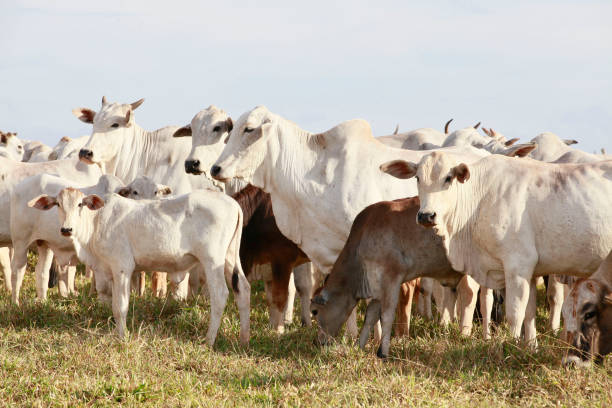
Prices of cows in Lagos have surged to N2.5 million, surpassing some used cars, as butchers blame insecurity, transport costs and delayed ranching projects for the spike.
LAGOS, Nigeria – Rising prices in the livestock market have pushed the cost of cows in Lagos to as high as N2.5 million, exceeding the value of some used cars, the Lagos State Butchers Association has said.
The association’s Patron, Alhaji Bamidele Kazeem, disclosed this in an interview on Sunday, warning that the sharp increase is putting severe pressure on traders and consumers.
According to him, cows that sold for about N1.7 million in 2025 now cost between N2.3 million and N2.4 million, with some reaching N2.5 million.
“There was even a time a cow was priced at N2.5 million in the market,” he said.
Kazeem said the surge in prices had made cattle trading increasingly difficult, with many butchers struggling to stay in business.
“The car I bought in 2020 for N2.1 million is now cheaper than the price of a cow. That shows how costly cows have become,” he added.
He noted that cows previously sold for N1 million have become scarce in the market.
“If you see a cow of N1 million now, you will be surprised. What we complained about last year is a child’s play compared to the current prices,” he said.
Kazeem blamed the situation partly on insecurity affecting livestock movement across several parts of Nigeria.
He also cited the recent rise in fuel pump prices, saying it had significantly increased transportation costs for cattle suppliers.
“The supply was reduced because of insecurity in the country and most recently, the increase in fuel pump price that made the cost of transportation skyrocket,” he said.
The butchers’ leader explained that higher diesel and petrol costs had worsened logistics expenses, especially for cattle transported from northern Nigeria, which remains the major source of supply to Lagos markets.
He added that local cattle producers have been unable to meet demand because planned feedlot and ranching programmes in Lagos have yet to begin operations.
“We still depend majorly on suppliers from the northern states,” he said.
Kazeem urged the government to accelerate implementation of the Eko Ranching project in Gbodu, Epe, noting that it could increase local supply, cut transport expenses and reduce meat prices.
According to him, the project would also create jobs for youths and strengthen food security in the state.
Visit GMTNewsng for more news stories.