Malawi Vice President Jane Ansah has called for a holistic strategy to advance women’s rights in Africa, stressing the need for economic empowerment, stronger institutions and coordinated policies.
Vice President of the Republic of Malawi, Jane Ansah, has called for a comprehensive and holistic approach to advancing women’s rights across Africa.
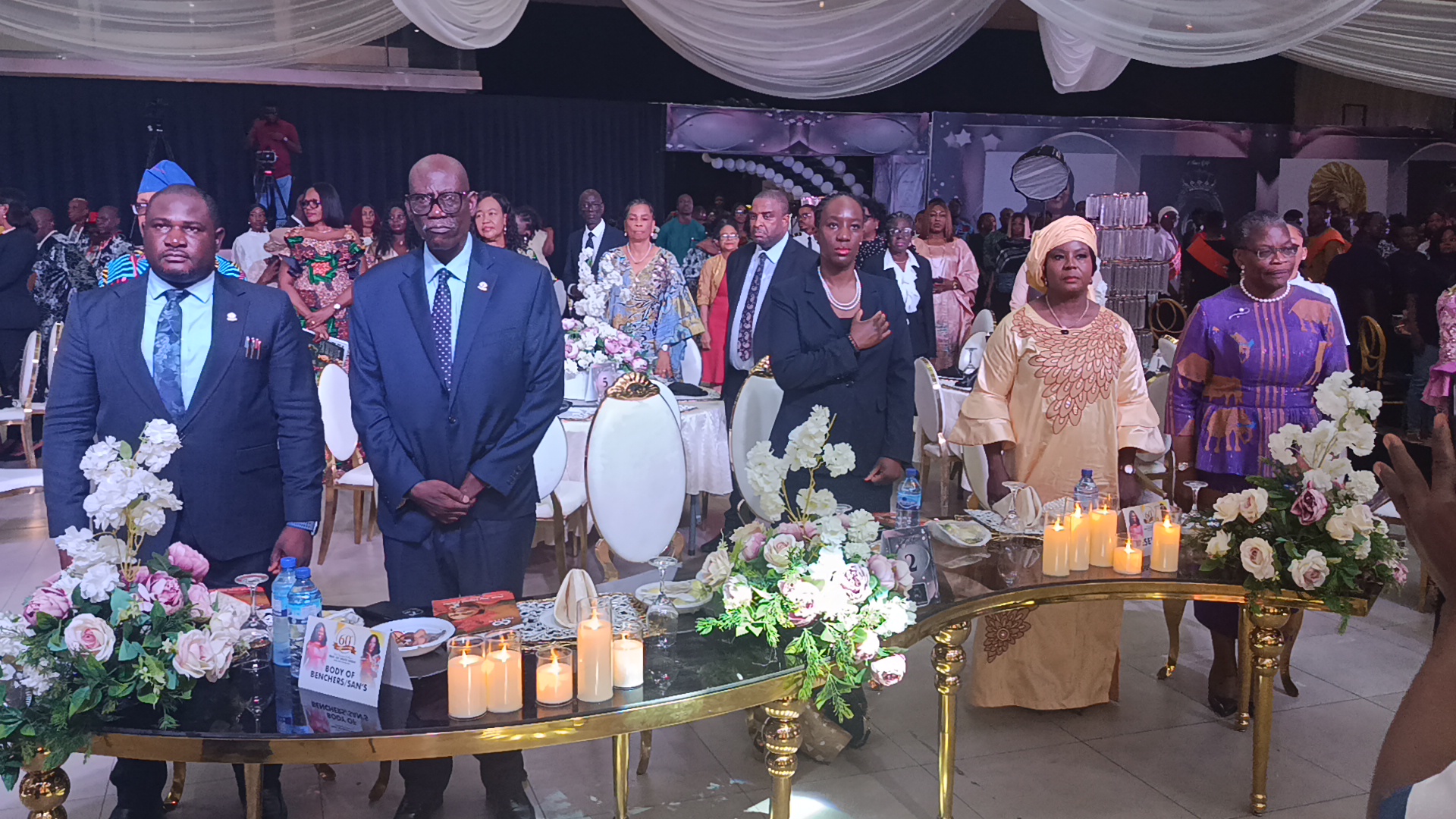
Ansah, represented by her daughter, Janet Ansah, made the call on Friday in Enugu during the 60th birthday anniversary of renowned human rights advocate, Joy Ngozi Ezeilo.
Delivering a keynote address, the vice president emphasised that advancing women’s rights requires more than legal frameworks, urging African nations to adopt integrated strategies addressing social, economic, institutional and cultural barriers.
She described Ezeilo as a symbol of resilience, courage and unwavering commitment to justice, noting that her work had significantly promoted human rights and dignity at both local and global levels.
“Women’s rights are not peripheral but central to sustainable democracy and development,” she said.
Ansah highlighted Ezeilo’s contributions as a scholar, activist and former United Nations Special Rapporteur, adding that despite progress made through constitutional provisions and legal instruments such as the Violence Against Persons Prohibition Act and the Child Rights Act, gender inequality persists across the continent.
She attributed the situation to weak enforcement, institutional gaps and entrenched patriarchal norms.
According to her, Africa’s legal systems – often shaped by statutory, customary and religious frameworks – sometimes undermine the realisation of gender equality, leaving many women with limited access to justice.
Ansah said challenges such as gender-based violence, harmful traditional practices and economic exclusion are not merely legal concerns but broader development issues requiring coordinated action.
She stressed the importance of economic empowerment, noting that limited access to land, credit and financial systems continues to hinder women’s participation in economic development, particularly in rural communities.
The vice president also drew attention to emerging challenges, including digital inequality, climate change and migration, which disproportionately affect women and girls.

On climate change, she noted that women remain highly vulnerable to environmental shocks despite playing key roles in sustaining livelihoods, yet are often excluded from decision-making processes.
Highlighting Ezeilo’s legacy, Ansah said her work demonstrates the importance of bridging law, policy and practice to achieve meaningful social transformation.
She commended efforts aimed at strengthening access to justice, combating gender-based violence and fostering collaboration between institutions and civil society.
Ansah called for stronger institutions, inclusive policies and greater investment in education, stressing that achieving gender equality requires collective responsibility and sustained commitment across all sectors.
She urged African governments, institutions and citizens to move beyond policy declarations to actionable steps that ensure real protection and empowerment for women, particularly at the grassroots level.
“Africa stands at a critical juncture,” she said, noting the continent’s growing population and development potential.
“Advancing women’s rights is not only a moral obligation but a governance and development priority.”
Visit GMTNewsng for more news stories.