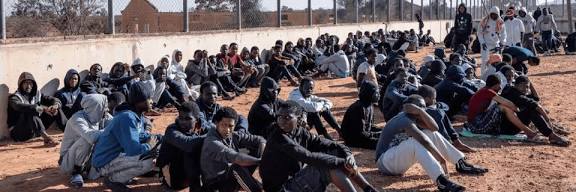
Migrants, refugees and asylum-seekers in Libya are facing systematic and ruthless human rights violations, including killings, torture, trafficking and sexual violence, according to a new report by the United Nations.
The report, released Tuesday by the UN human rights office, Office of the United Nations High Commissioner for Human Rights, covers the period from January 2024 to December 2025. It describes an “exploitative model” that preys on migrants and refugees in highly vulnerable situations, calling the abuses a “brutal and normalised reality” that has become entrenched in the country.
Based on interviews with nearly 100 migrants, asylum-seekers and refugees from 16 countries across Africa, the Middle East and South Asia, the findings document widespread abductions, arbitrary detention and extreme violence.
Survivors recounted being held in trafficking houses and makeshift detention centres, where they were subjected to repeated sexual violence, torture and extortion. Some described being detained for weeks until relatives paid ransom for their release, while others reported witnessing the abuse of minors.
The report states that criminal networks – often operating with alleged links to Libyan authorities – round up migrants and transfer them to detention facilities without due process. Many victims endure forced labour, forced prostitution, slavery and the confiscation and resale of personal belongings and identity documents.
Interceptions at sea by Libyan actors were also described as frequently violent and dangerous, involving excessive force and reckless manoeuvres. Those intercepted are forcibly returned to Libya, where they face renewed cycles of abuse.
The UN High Commissioner for Human Rights, Volker Türk, condemned the situation, saying the suffering of migrants and refugees in Libya must end.
“Protecting their rights and dignity is not optional; it is an obligation under international law,” Türk said.
The Special Representative of the Secretary-General for Libya, Hanna Tetteh, described the system as an abusive “business model” that thrives on vulnerability, warning that detention facilities have become breeding grounds for gross human rights violations.
Both officials called for strengthened search and rescue operations at sea and urged the European Union and other international partners to suspend interceptions and returns to Libya until credible human rights safeguards are established.
Visit GMTNewsng for more news stories.