Date: October 30, 2025
Stakeholders have renewed calls for public utilities accountability in Nigeria, urging greater transparency in the management of water infrastructure, power supply, and waste management systems.
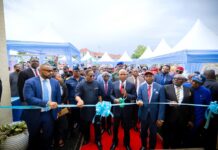
The appeal for improved public utilities accountability came during the National Public Utilities Summit held on Wednesday in Abuja. The event brought together trade unions and Civil Society Organisations (CSOs) under the theme, “Promoting Transparency and Decent Work in Supply Chains in Electricity, Water, and Waste Services in Sub-Saharan Africa.”
Organised by Public Services International (PSI) in collaboration with DGB Bildungswerk Bund (DGB BW), the summit assessed the impact of the PSI-DGB project in advancing decent work and tackling privatisation in key public sectors.
Mr. Philip Jakpor, Executive Director of the Renevlyn Development Initiative (RDI), said that strengthening public utilities accountability through Public-Public Partnerships (PuPs) would ensure better transparency, efficiency, and responsiveness to citizens’ needs.
RDI works with the Amalgamated Union of Public Corporations, Civil Service Technical and Recreational Services Employees (AUPCTRE) and the National Union of Electricity Employees (NUEE) under the PSI-DGB project to promote public utilities accountability and protect workers’ rights.
Jakpor urged the government to suspend the ongoing privatisation of public utilities and instead strengthen public management through political commitment and institutional transparency.
“The public utilities can work if government has the political will and is ready to ensure that there is transparency and accountability,” he said.
He noted that some countries that previously embraced Public-Private Partnerships (PPPs) were reversing their decisions due to corruption and declining service standards, adding that public utilities accountability cannot thrive under private control.
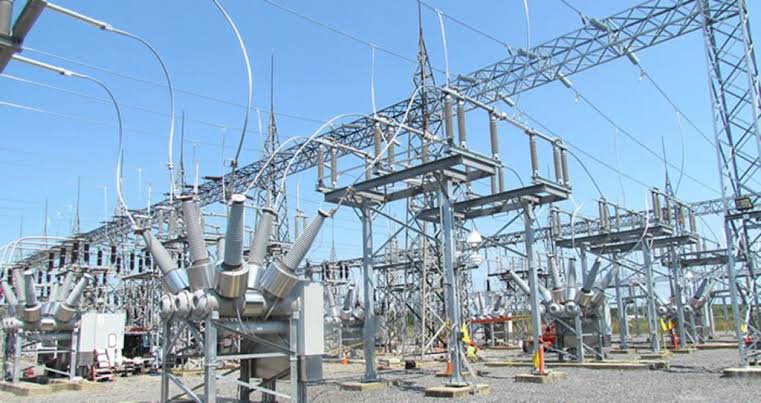
“The power sector was handed over to private companies and 13 years down the line, there is still no electricity, yet Nigerians keep paying for it. We have recorded over 150 national grid collapses since 2013,” Jakpor stated.
He further revealed that private firms have failed to expand power generation from the installed 12,500MW to the 70,000–100,000MW Nigeria requires, with actual distribution fluctuating between 4,000MW and as low as 1,500MW.
Similarly, Jaiye Gaskia, Director of the Centre for Transformative Governance (CTG), said public utilities accountability is backed by the constitution, which mandates that essential services be provided by public institutions rather than outsourced to profit-driven entities.
Gaskia insisted that the privatisation of critical sectors like electricity had not yielded the expected outcomes and called for its reversal in the interest of public service delivery.
In his remarks, Abiodun Bakare, PSI National Project Coordinator (Value Chains), advocated for the adoption of PuPs as a more sustainable model for ensuring public utilities accountability across the electricity, water, and waste management sectors.
Bakare explained that the summit convened experts, trade unionists, and policy advocates to discuss alternatives to privatisation and develop actionable recommendations for the government.
He added that these recommendations would be submitted to relevant authorities as part of PSI’s ongoing campaign for transparent and accountable management of Nigeria’s public utilities.
The meeting also featured participants from Nigeria, Kenya, and Uganda, all united by the goal of strengthening public utilities accountability across Sub-Saharan Africa. Visit http://gmtnewsng.com for more news.