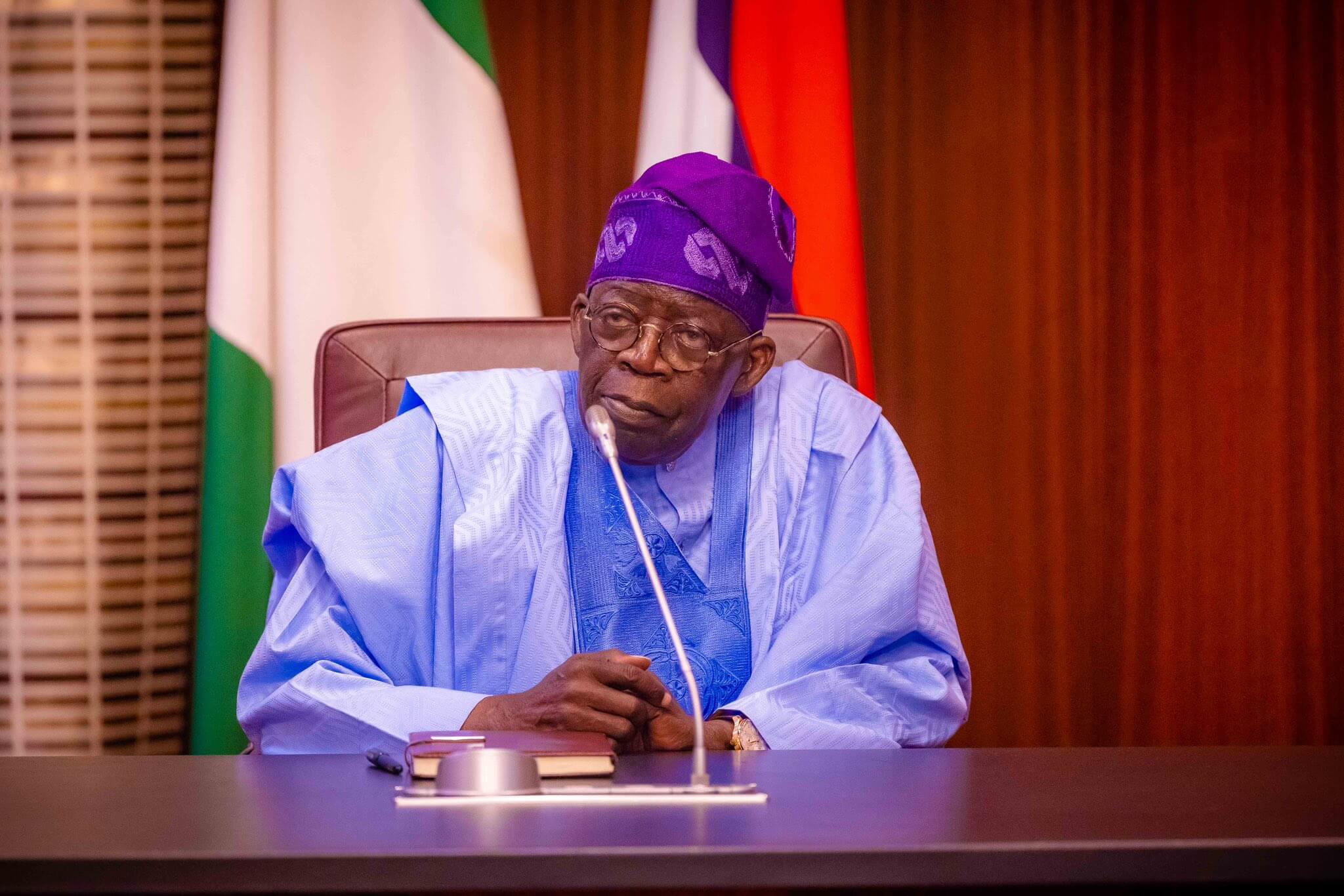
Enugu Governor Peter Mbah has called for a national emergency in education, saying Nigeria must make a major investment in the sector to secure sustainable economic development and future prosperity.
Enugu State Governor Peter Mbah has called for the declaration of a national emergency in Nigeria’s education sector, arguing that a major increase in investment is necessary to address the country’s development challenges and prepare young people for the future.
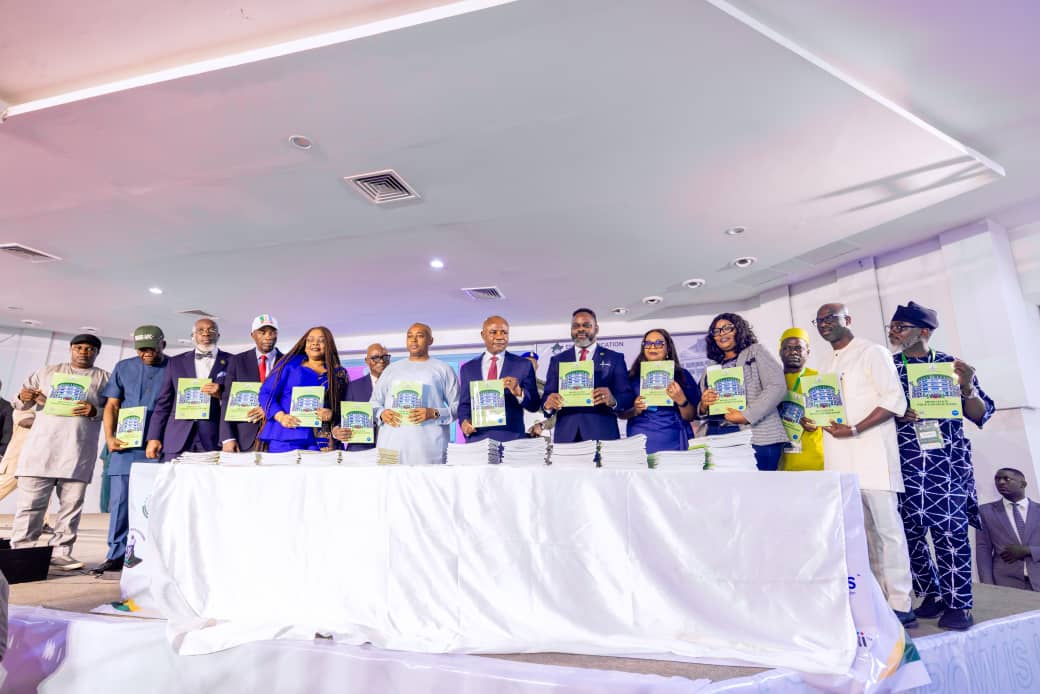
Mbah made the call on Wednesday while delivering the keynote address at the 2026 Enugu Education Summit and unveiling the Enugu State Education Policy at the International Conference Centre, Enugu.
The summit, themed “Transforming Education for the Future: Leadership, Innovation, Partnership, Financing and Sustainable Reform,” brought together government officials, development agencies and education stakeholders.
The governor said education should no longer be treated as a routine policy issue but as a national priority reflected in government budgets, teacher development, infrastructure and partnerships among federal and state governments, development organisations, communities and the private sector.
“I believe Nigeria has reached the point where we must treat education as a national emergency,” Mbah said.
He argued that the country could not achieve sustainable development or meaningfully reduce poverty without equipping citizens with the knowledge and skills required to create wealth, secure employment, build businesses and participate effectively in society.
Mbah also linked education to Nigeria’s ambition to become a productive, innovation-driven economy rather than one primarily dependent on consumption.
He questioned the sustainability of infrastructure investments if the country failed to develop the human capital required to maintain and improve them.
“If we fix the road today but fail to educate the child who will maintain it tomorrow, how sustainable was our investment in the road?” he asked.
Mbah cited his administration’s investment of 33 per cent of the state’s annual budget in education for three consecutive years as evidence of its approach to education reform.
He said the investment had supported the construction of 268 Smart Green Schools, more than 7,000 classrooms and the provision of modern learning facilities.
The governor said his administration had deliberately chosen to pursue a broader transformation of the education system rather than simply renovate existing facilities.
According to him, the objective is to ensure that the education system prepares Enugu children for the technological, economic and social demands of the future.
“When we came into government, we had to look at that reality very closely. We could have repaired the existing system. We could have renovated some classrooms, supplied some desks, put computers into a few schools and called it reform.
“But we had to ask ourselves a more difficult question: would it be enough?” he said.
Mbah also formally unveiled the Enugu State Education Policy, which he said was already being implemented and would guide the sector over the next six to 10 years.
He said the policy was developed as a long-term framework rather than a short-term intervention, adding that it was intended to provide a benchmark for education planning and implementation across the state.
The governor said the policy reflected extensive planning and was designed to support the administration’s broader development agenda.
The United Nations Children’s Fund (UNICEF), United Nations Educational, Scientific and Cultural Organization (UNESCO) and British Council commended the Enugu Government’s focus on education and ongoing investments in the sector.
Represented by the UNICEF Chief of Field Office in Enugu, Mrs Juliet Chilewe, UNICEF Country Representative to Nigeria, Wafaa Saeed, said the state had demonstrated commitment to education transformation through investments in Smart Green Schools, teacher development, foundational learning, digital literacy and experiential learning.
She also said UNICEF had supported the development of the Enugu State Education Sector Plan 2026–2035.
UNESCO similarly commended the administration’s education investments, highlighting the Smart Green Schools, the Centre for Experiential Learning and Innovation (CELI), and plans to recruit more than 6,000 teachers.
Represented by the Officer-in-Charge of the Education Sector, Mr Adeyemi Oladeji, UNESCO Representative to Nigeria, Dr Isaias Barreto da Rosa, described the establishment of the 268 Smart Green Schools as a significant development in the state’s education programme.
The British Council, represented by its Director on English and School Education, Nigeria, Fwanshihsak Daniel, also welcomed the state’s education initiatives and said the organisation would continue to partner with the government to improve outcomes in classrooms.
Daniel said the council supported the state’s ambition to develop an education system that builds foundational skills, creativity and capabilities needed for participation in society and the economy.
The Enugu State Commissioner for Education, Prof. Ndubueze Mbah, thanked the governor and participating stakeholders for their support and said the state had begun a sustained process of education reform.
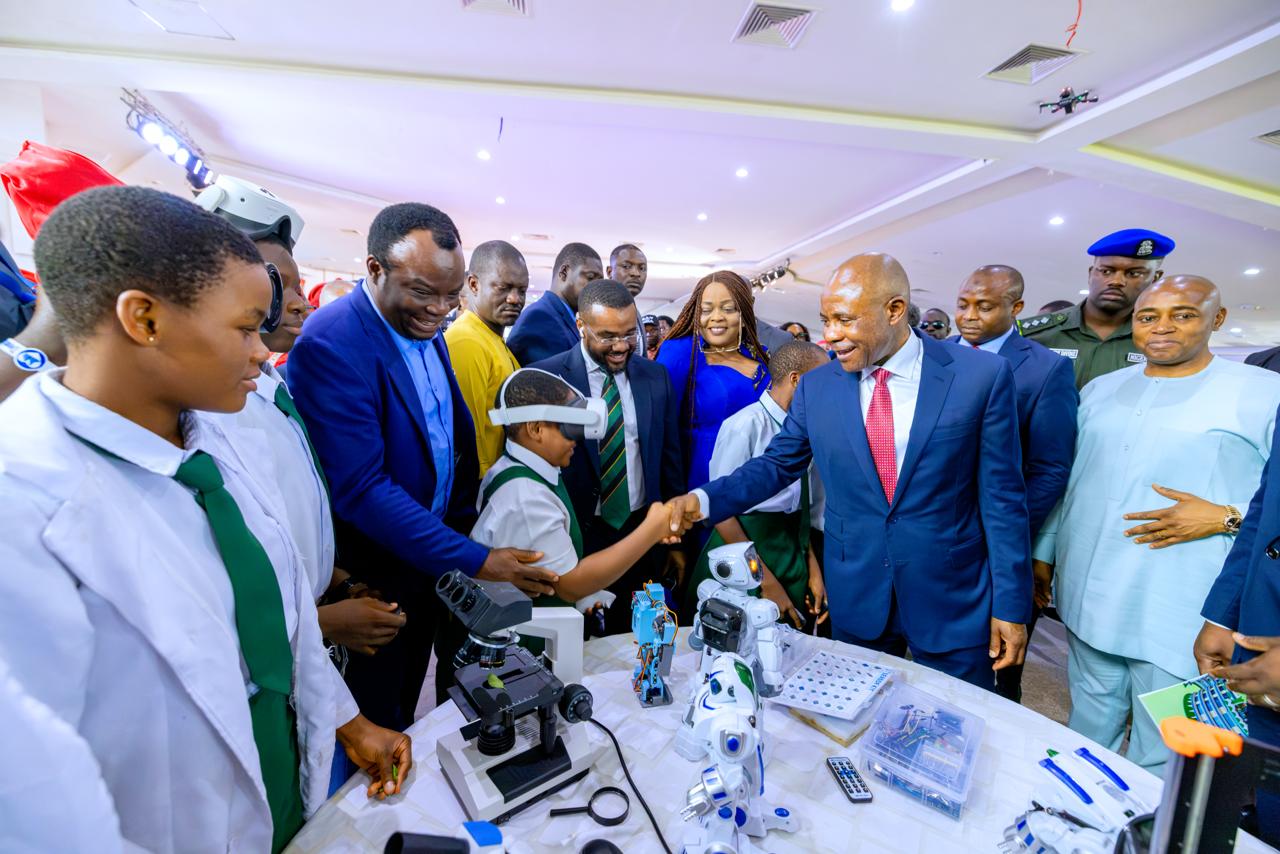
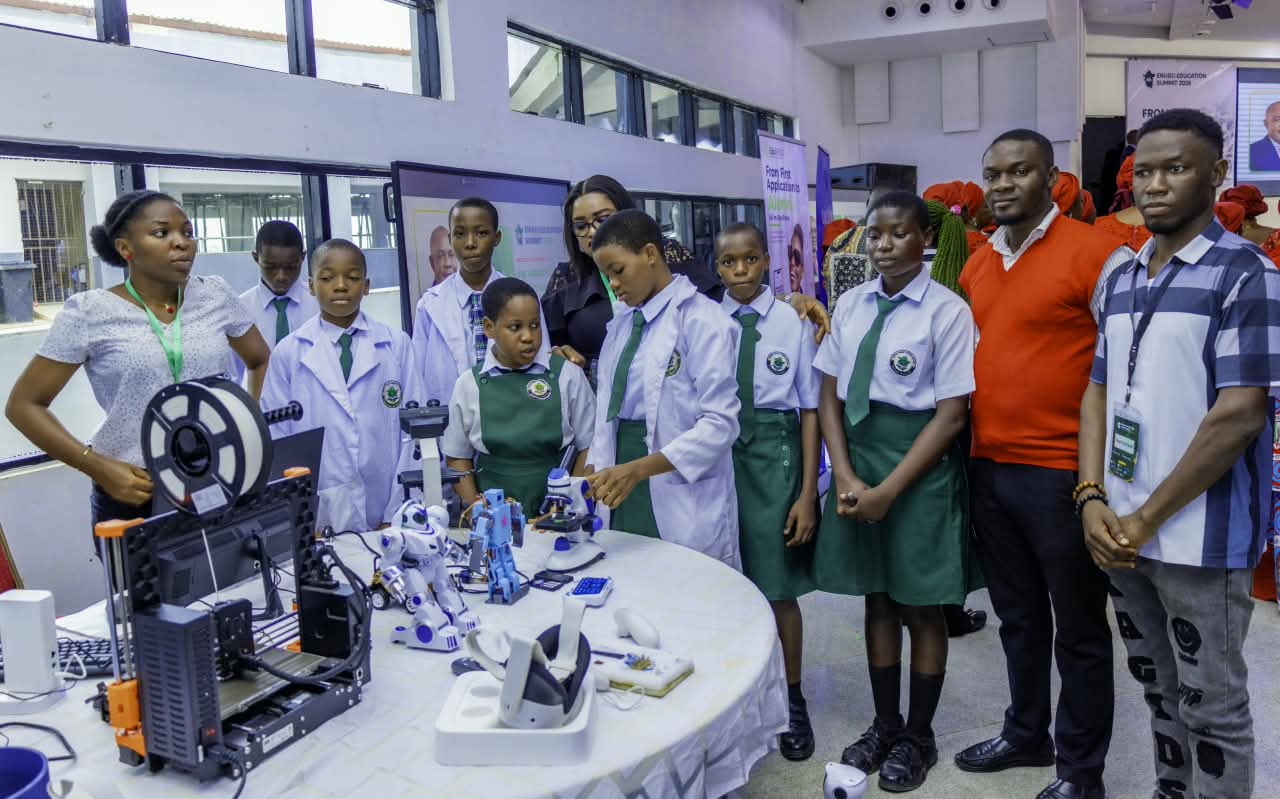
The summit ended with the formal unveiling of the Enugu State Education Policy and a tour of an exhibition showcasing innovations from students of the state’s Smart Green Schools, including the Smart Green School Innovation Studio.
Visit GMTNewsng for more news stories.