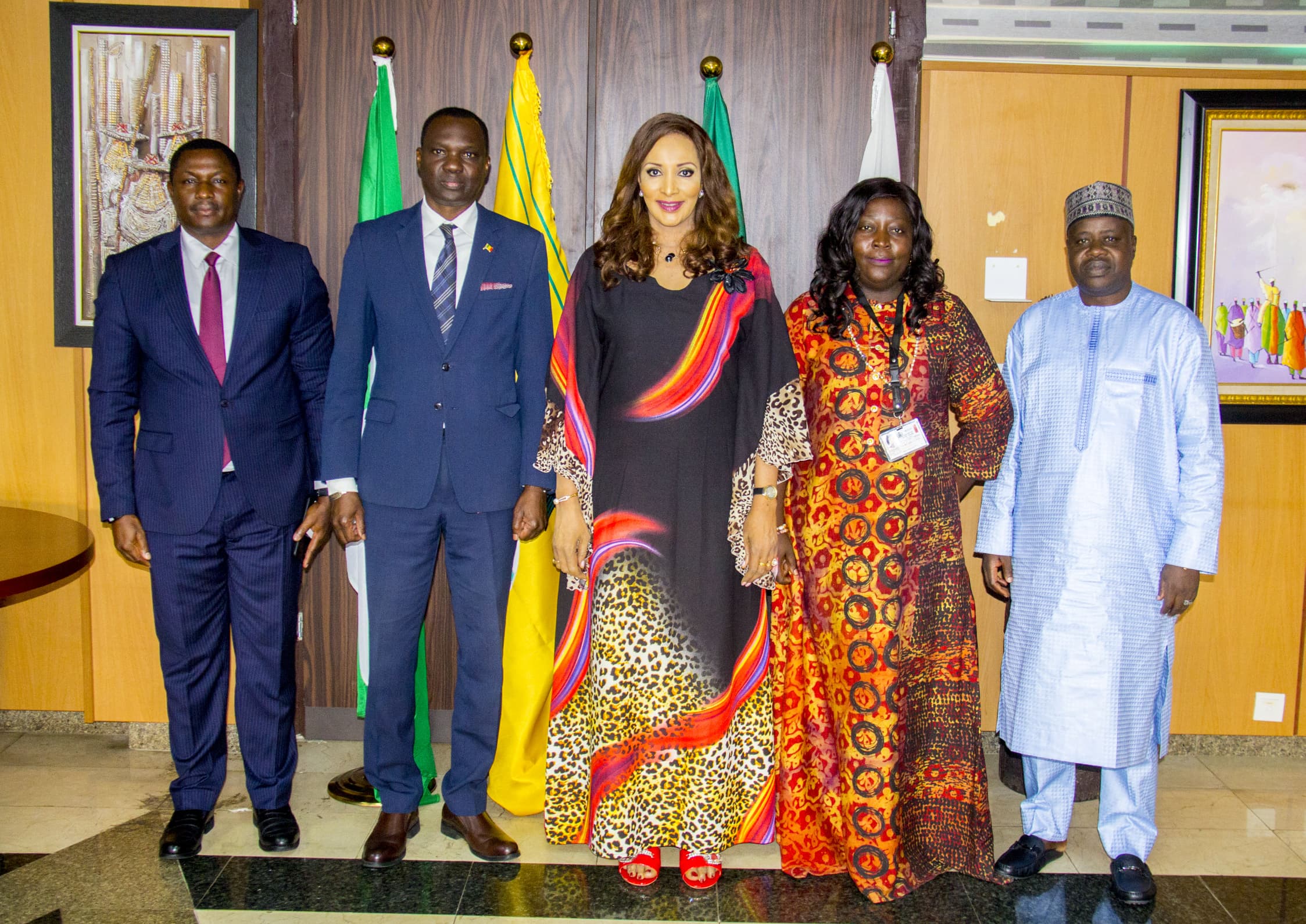
Commission talks between Nigeria and Mali will focus on security, trade, energy, migration and aviation as both countries move to revive dormant bilateral agreements and strengthen diplomatic relations.
Nigeria and Mali have agreed to convene a Joint Commission to revive dormant bilateral agreements and deepen cooperation in critical sectors, including security, trade, energy, migration and aviation.
The decision was reached during a diplomatic meeting between Nigeria’s Minister of Foreign Affairs, Ambassador Bianca Odumegwu-Ojukwu, and Mali’s Ambassador to Nigeria, Oumar Coulibaly, at the Ministry of Foreign Affairs in Abuja.
Odumegwu-Ojukwu described the longstanding relationship between Nigeria and Mali as cordial, stressing that Mali’s withdrawal from the Economic Community of West African States (ECOWAS), alongside Burkina Faso and Niger, would not affect the strong bilateral ties between the two countries.
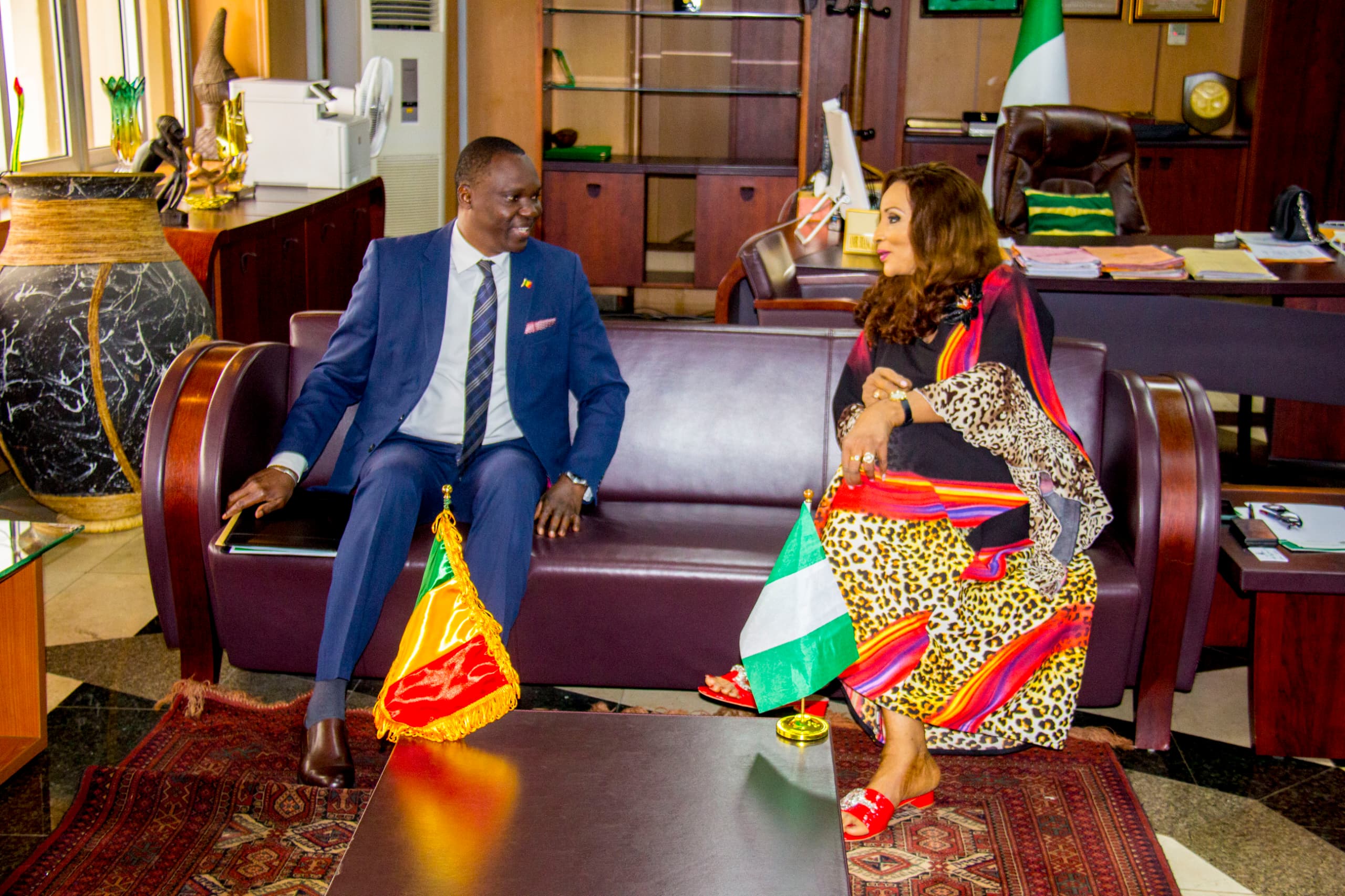
She emphasised the need for closer military cooperation to address the growing security challenges in the Sahel, particularly terrorism and banditry.
According to the minister, the proposed Joint Commission will serve as a strategic platform to reactivate existing bilateral agreements, with priority areas including security, trade, energy, irregular migration, human trafficking and the Bilateral Air Services Agreement (BASA).
“This meeting is long overdue. Nigeria and Mali share common objectives and goals. We need to deepen bilateral relations,” Odumegwu-Ojukwu said.
She reaffirmed Nigeria’s commitment to maintaining close diplomatic relations with Mali despite recent regional developments.
“We as a nation believe that we should forge closeness,” she added.
The minister noted that the security situation in the Sahel requires stronger collaboration among affected countries, describing the Joint Commission as the most effective mechanism for developing meaningful security cooperation against terrorism.
She also identified energy as another key area for collaboration, expressing concern over Mali’s energy shortages and stressing that developments in Mali have implications for Nigeria and the wider West African region.
Odumegwu-Ojukwu further highlighted the importance of facilitating the movement of people and strengthening interpersonal and economic ties between both nations.
She called for broader regional participation in addressing insecurity across the Sahel and advocated a purposeful security partnership that would contribute to lasting peace and stability in West Africa.
The minister also conveyed the condolences of President Bola Ahmed Tinubu and the people of Nigeria to Mali over the recent rebel attacks that claimed the life of the country’s Defence Minister, General Sadio Camara, on April 25, 2026.
Responding, Ambassador Coulibaly described Nigeria as a “big brother” to Mali and agreed that both countries should continue to strengthen their bilateral relationship despite regional political developments.
He advocated sustained political dialogue ahead of the proposed Joint Commission, noting that such engagement would help both countries address common challenges, including human trafficking and insecurity.
The Malian envoy also announced that, under the Bilateral Air Services Agreement (BASA), Nigerian carrier Air Peace will commence flight operations between Lagos and Bamako later this month, a development expected to enhance connectivity and economic cooperation between the two countries.
Visit GMTNewsng for more news stories.