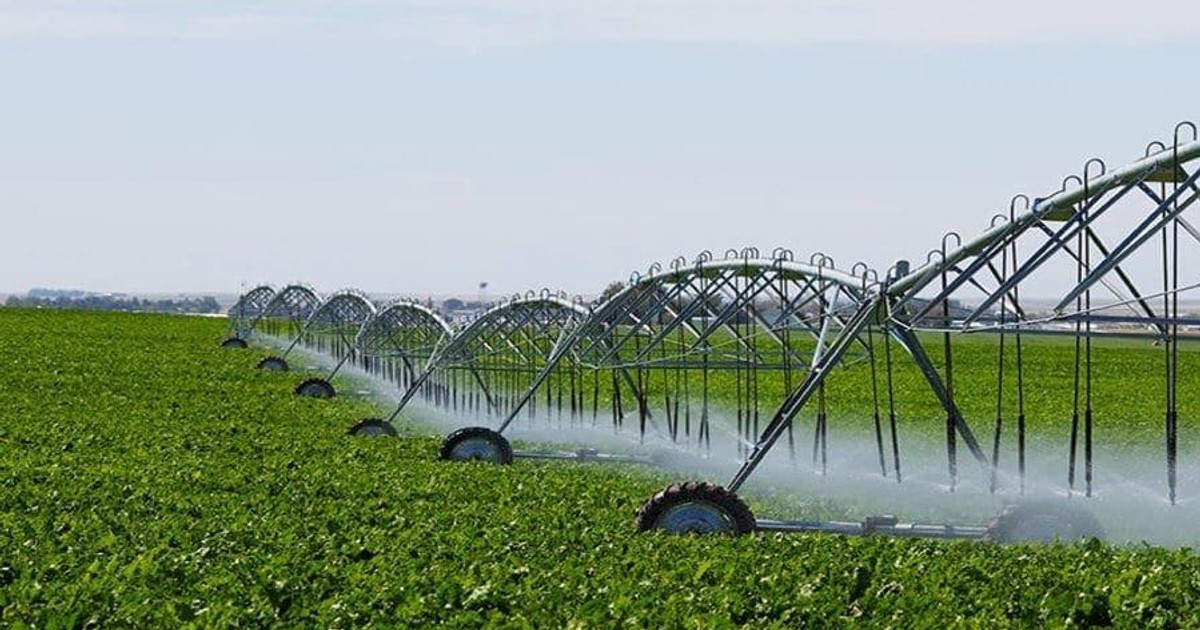
Tanzania has hit a record 130 per cent Agriculture self-sufficiency rate, driven by a surge in crop production that generated a significant surplus for the 2025/2026 period.
Tanzania has officially reached a historic 130 per cent food self-sufficiency rate, signaling a major boost for the nation’s food security. Minister of Agriculture, Daniel Chongolo, announced the achievement on Tuesday while presenting the ministry’s budget proposals for the 2026/2027 financial year to the parliament in Dodoma.
This milestone follows a period of robust growth in domestic output during the 2024/2025 farming season. According to official data presented by the minister, total food crop production rose to over 23.78 million tonnes in the most recent season, marking a 4.3 per cent increase from the 22.80 million tonnes recorded during the 2023/2024 period.
The production breakdown highlights strong performances across different crop categories. Cereal production reached 14.92 million tonnes, reflecting a 2.3 per cent increase over the previous season. Even more impressive growth was observed in non-cereal food crops, which surged by 7.8 per cent to reach approximately 8.86 million tonnes.
Minister Chongolo explained that the total food produced during the 2024/2025 season comfortably surpassed the national requirement, which was estimated at 18.28 million tonnes for the 2025/2026 consumption cycle. This success resulted in a surplus of more than 5.5 million tonnes of food crops.
The minister attributed this performance to a combination of improved agricultural practices and favorable production conditions. He emphasized that this surplus provides the nation with a strategic advantage, creating an opportunity to strengthen food security, stabilize domestic commodity markets, and significantly expand the country’s footprint in the export of agricultural produce.
Visit GMTNewsng for more news stories.