
ACCRA, September 15, 2025 – Authorities in Ghana have locked up 92 shops belonging to foreign traders at Suame Magazine, the sprawling industrial hub in Kumasi widely regarded as one of Africa’s largest informal engineering clusters. According to reports from Ghanaian media, the closed outlets were largely operated by Nigerian traders dealing in spare parts and vehicle repairs, though officials described them broadly as “foreign-owned shops.”
The enforcement action was carried out on 27 August 2020 by a special committee of the Ministry of Trade and Industry in line with the Ghana Investment Promotion Centre (GIPC) Act. Under the law, foreigners are barred from engaging in petty trading or retail unless they meet specific capital investment requirements. Ghanaian authorities said the decision was part of efforts to sanitize the retail sector and ensure compliance with national regulations.
Officials explained that several of the affected traders had been given up to 18 months to regularize their businesses but allegedly failed to do so. The committee therefore moved to lock up the shops, citing non-compliance with registration, permit, and investment conditions. One member of the enforcement team was quoted in local media as saying that “this exercise is about enforcing the law, not targeting any nationality,” in reference to criticism that the closures were discriminatory.
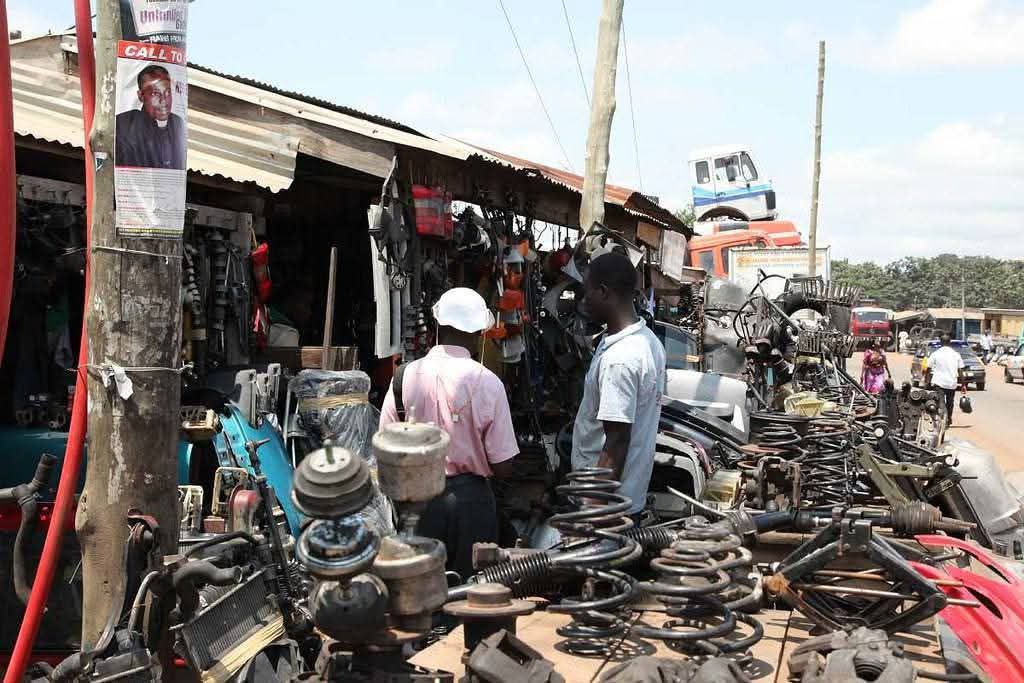
Nigerian traders at Suame Magazine, however, voiced frustration that they were being unfairly targeted. Some claimed they had complied with the law by registering their businesses but still found their outlets padlocked. A trader identified as Mr. Chukwuemeka told reporters that he had submitted all the required documents yet “woke up to see my shop locked like those who defaulted,” describing the experience as both humiliating and economically damaging.
The issue has reignited long-standing tension between Ghanaian authorities and Nigerian business operators in the retail sector. The Nigeria Union of Traders Association in Ghana (NUTAG) has often argued that its members, many of them believed to be of Igbo origin from South East Nigeria, are singled out despite contributing significantly to the local economy. One NUTAG official noted in earlier statements that “Nigerians in Kumasi provide thousands of jobs and services at Suame Magazine,” adding that shutting their shops disrupts livelihoods far beyond the owners themselves.
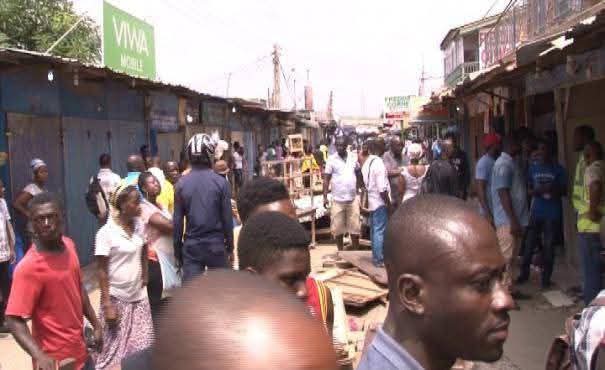
Some observers allege – though unverified by official sources – that the closures may not be entirely disconnected from recent controversies surrounding the title of Eze Ndigbo in Ghana. Disputes over the recognition of Igbo diaspora traditional leaders and debates about their role in local communities have been sensitive issues, and critics suggest that these ethnic and cultural tensions could be feeding into the atmosphere around foreign-owned businesses.
Local Ghanaian traders, on the other hand, have maintained pressure on the government to enforce the GIPC Act. Leaders of the Ghana Union of Traders Association (GUTA) insist that foreign competition in retail undermines indigenous businesses. As one GUTA spokesperson put it during a prior protest, “our markets must be protected for Ghanaians first, otherwise our small traders will collapse under unfair competition.”
Observers note that while the law provides a legal basis for the closures, the diplomatic undertones are significant. The Ghana–Nigeria trade relationship has periodically been strained by disputes over retail rights, with Nigerian officials repeatedly urging Ghana to reconsider strict interpretations of the GIPC Act. Regional bodies such as ECOWAS have also emphasized the need for smoother intra-African trade relations, warning that persistent lockups could undermine broader integration goals.
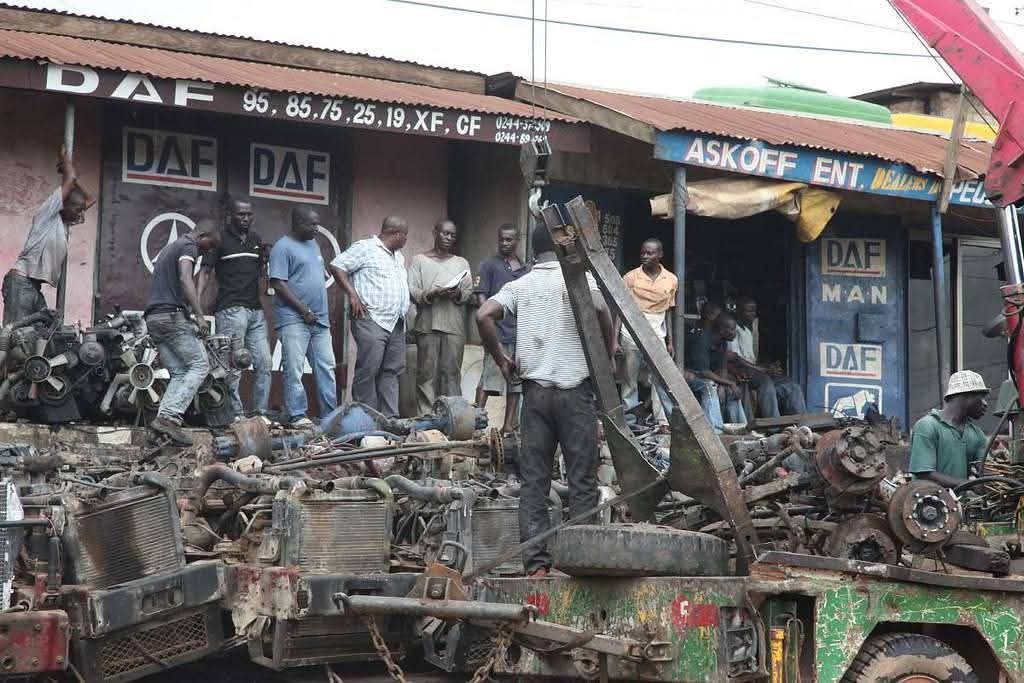
The Suame Magazine closures thus highlight the delicate balance between national economic laws and regional trade cooperation. While Ghana seeks to regulate retail trade in line with its statutes, Nigeria has consistently called for fair treatment of its citizens abroad. For the affected traders, the shutdown of 92 shops represents more than a legal enforcement exercise; it is a direct hit on livelihoods, family incomes, and cross-border trust between two of West Africa’s largest economies. GMTNewsng