● GMTNewsng Staff Reporter
ABUJA, NIGERIA – Security operatives have arrested 20 individuals suspected of masterminding a cyberattack on the computer-based testing system of the 2025 Unified Tertiary Matriculation Examination (UTME), in a scandal that has sparked fresh calls for decisive action in Nigeria’s war against corruption.
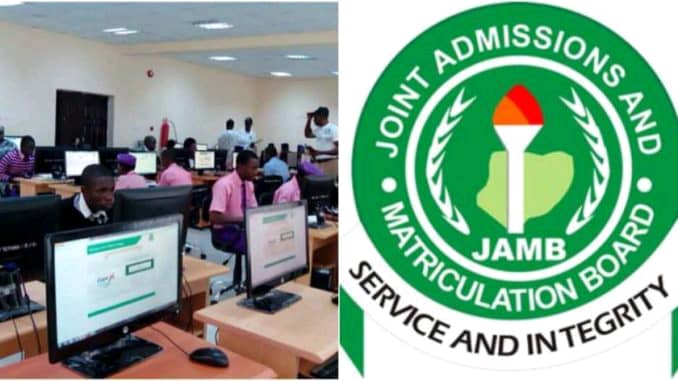
The Joint Admissions and Matriculation Board (JAMB) reported widespread irregularities during the conduct of this year’s UTME, which authorities now attribute to a sophisticated hacking syndicate. According to the Department of State Services (DSS), the suspects were apprehended in Abuja and are part of a broader network of over 100 hackers targeting examination bodies including JAMB and the National Examinations Council (NECO).
“These arrests mark a significant breakthrough in unmasking a criminal enterprise intent on sabotaging our education system,” said a spokesperson for the DSS. Investigators revealed that the suspects employed rogue routers and malicious software to bypass JAMB’s digital infrastructure, enabling certain candidates – who allegedly paid between ₦700,000 and ₦2 million—to illicitly access exam answers in real-time.
Education experts have decried the damage such practices inflict on national integrity and meritocracy. “When examination results are manipulated, it is not just JAMB that is compromised. The future of Nigeria’s workforce is at stake,” said Dr. Okey Nwosu, a lecturer at the University of Nigeria, Nsukka. “We must understand that systemic corruption begins with these early compromises and spreads into other sectors of public life.”
The hacking episode also reportedly triggered a major glitch in the UTME system, causing widespread discrepancies between the questions and candidates’ answers. This distortion, according to insiders, significantly contributed to the high failure rate recorded this year. JAMB has since declared that no evidence implicates its seven officials who supervised the affected CBT centres.
Analysts argue that this scandal underscores the urgency for Nigeria to deepen its commitment to fighting corruption, especially through the integration of technology and security monitoring. “Cybercrime linked to exams is a direct attack on the nation’s development,” said Mr. Tony Adegoke, a digital forensics consultant. “We need not just arrests, but convictions and deterrent sentences to reset the moral compass of our society.”
Authorities have vowed to prosecute all culprits involved, even as the DSS and police continue their investigation. Meanwhile, citizens and stakeholders are calling on President Bola Tinubu’s administration to treat examination fraud as a national security threat and prioritize reforms that ensure fairness, accountability, and the restoration of merit in Nigeria’s education sector. GMTNewsng