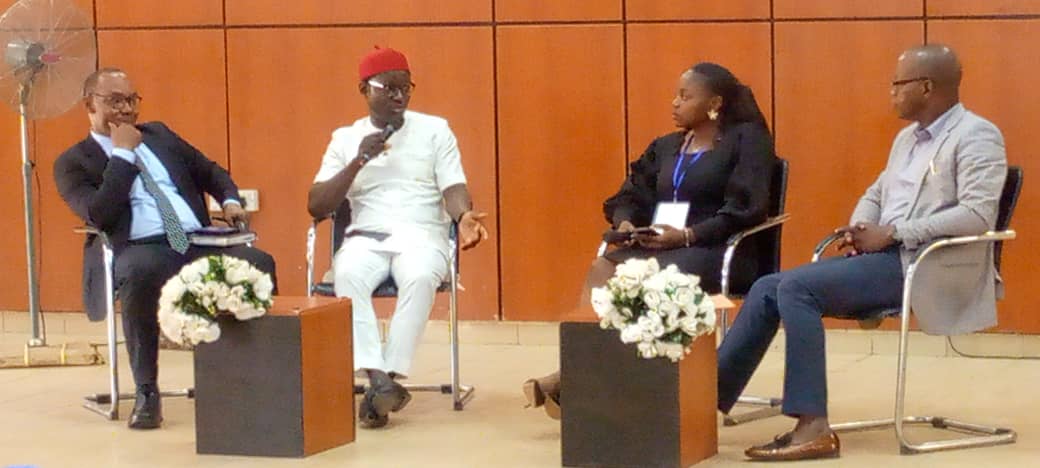
● Ferdy Agu
The Chairman of Enugu State Internal Revenue Service, ESIRS, Mr Emmanuel Ekene Nnamani, has called for a comprehensive national identity system as a fundamental step to addressing Nigeria’s tax administration challenges.
Speaking as the session chairman at The Tax Experience organized by the Tax Club of the University of Nigeria, Nsukka, Nnamani emphasized that Nigeria’s environment does not currently support effective tax collection due to systemic gaps.
Addressing the theme, “The Role of Taxation in Shaping Nigeria’s Fiscal Future: Trends and Opportunities”, held at the Faculty of Law Auditorium, University of Nigeria Enugu Campus, Nnamani argued against the wholesale adoption of foreign tax models without replicating the underlying systems that make them functional. “In the UK, everyone is identified with a unique national identity number, used for practically everything. Without such a system here, granting tax exemptions or waivers will only create opportunities for tax evasion,” he said.
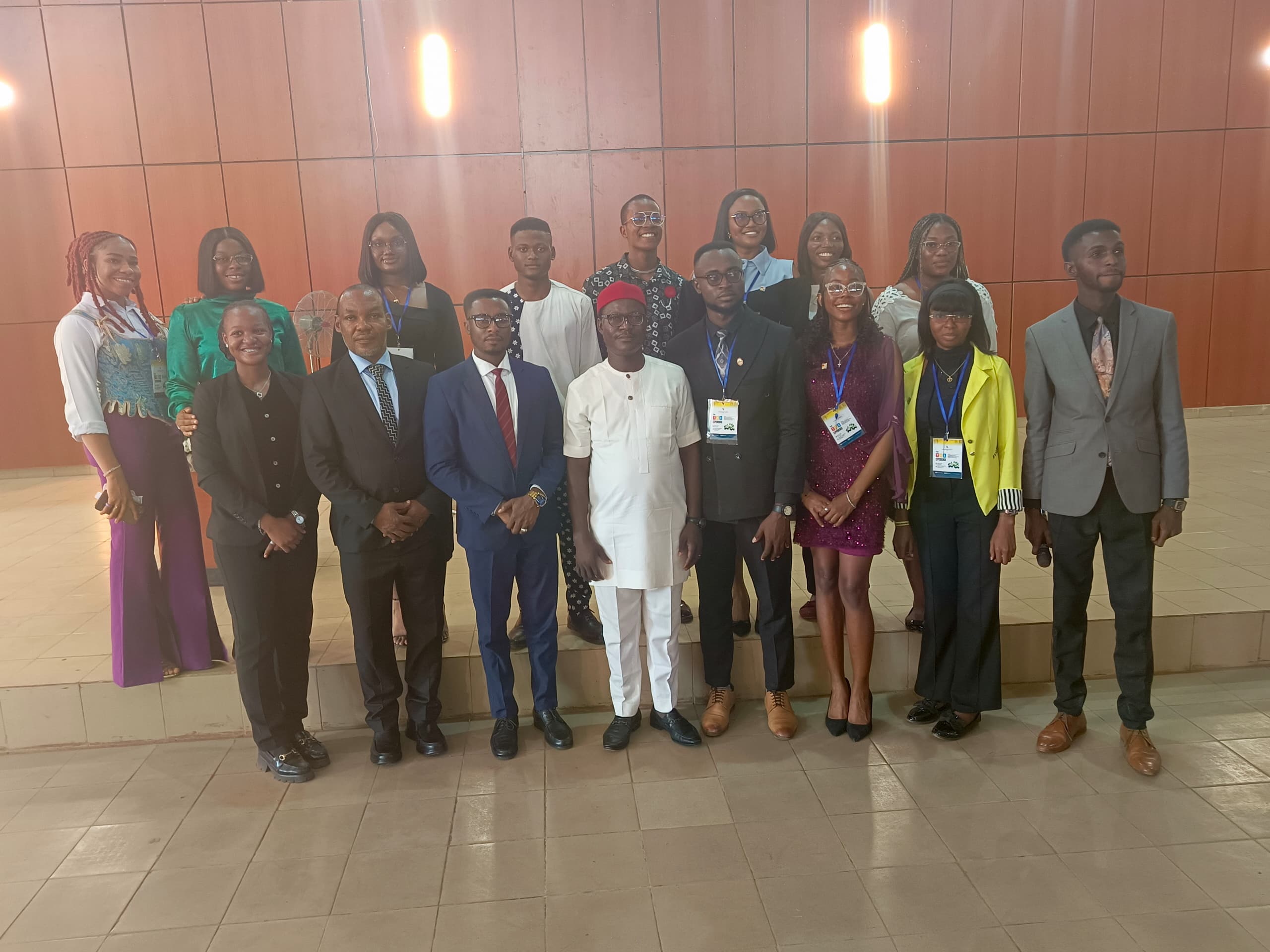 Front row: Mr. Emmanuel Ekene Nnamani (in white), Mr. Stephen Arubuike (2nd from left) and Exco members of The Tax Club at UNEC, Saturday
Highlighting the disconnect between policy and implementation, Nnamani noted the impracticality of copying models from countries like the United States and the United Kingdom. “If we give tax waivers in Nigeria, people outside the exemption bracket will exploit the system to evade taxes. Until we get our identity system right, adopting foreign tax policies will hurt our development,” he cautioned.
The Enugu revenue chief also criticized inefficiencies in governance and infrastructure development, pointing to delays in completing projects like the East-West Road and the Enugu International Airport. “In the UK, projects are executed promptly. Here, projects last for decades, not because they are not budgeted for, but due to an unwillingness to complete them,” he remarked.
Nnamani further advocated for a sustainable environmental development policy, which he believes would address challenges arising from poor urban planning. “Some people build across waterways, gas pipelines, and energy lines, creating avoidable hazards. A regulatory body must ensure adherence to development policies,” he suggested.
Also speaking, the Regional Head of the Federal Inland Revenue Service, FIRS, for Abia, Anambra, and Enugu States, Dr. Charles Robin-Njoku, who was represented by Mr. Brightwell Asemota, highlighted the agency’s achievements through automation. “Automation improved revenue collection from ₦6 trillion to ₦12.3 trillion last year, and our target of ₦19.3 trillion for 2024 is nearly achieved,” Asemota disclosed.
The event, moderated by Stephanie Uchendu, brought together experts to discuss innovative solutions for Nigeria’s fiscal future. Tax Club President Victor Nweze, in his welcome address, underscored the importance of engaging young professionals in shaping the nation’s tax policies.
Nnamani commended the initiative of consolidating all tax laws into a single document, describing it as a significant step towards simplifying tax administration. He reiterated the need to focus on the basics, urging policymakers to prioritize identity management as a prerequisite for granting tax waivers or exemptions.
The Tax Experience concluded with a renewed call for synergy between technology, sustainable policies, and a robust national identity system to drive Nigeria’s fiscal growth. GMTNewsng