By Chijioke Ogbodo/GMTNewsng Desk
Enugu International Hospital: Mbah Brings Advanced Medicine Home
Enugu International Hospital: For more than two decades, a substantial medical complex in the heart of Enugu stood as an unfinished chapter in the city’s public and institutional history.
Today, that chapter is being rewritten.
The facility now known as 𝗘𝗻𝘂𝗴𝘂 𝗜𝗻𝘁𝗲𝗿𝗻𝗮𝘁𝗶𝗼𝗻𝗮𝗹 𝗛𝗼𝘀𝗽𝗶𝘁𝗮𝗹 is being developed as a 300-bed quaternary healthcare institution designed to provide advanced specialist medicine in South-East Nigeria and attract patients, professionals and partnerships from beyond the region.
Its story, however, did not begin with Governor Peter Ndubuisi Mbah.
The project traces its roots to the administration of former Governor Chimaroke Nnamani, who governed Enugu State from 1999 to 2007. It was originally conceived and developed as Renaissance University Teaching Hospital, reaching an advanced stage before work stopped amid legal and ownership complications surrounding assets associated with Nnamani.
In July 2015, a Federal High Court in Lagos ordered the forfeiture to the Federal Government of assets belonging to four companies, including Renaissance University Teaching Hospital, following proceedings involving the Economic and Financial Crimes Commission (EFCC).
Almost nine years later, in April 2024, the Federal Government formally handed 14 recovered properties back to the Enugu State Government for the benefit of the people of the state. Renaissance University Teaching Hospital was among the assets.
That handover created the institutional opportunity for a project conceived more than two decades earlier to acquire a new purpose.
Under Mbah, the abandoned medical complex has been incorporated into a much more ambitious healthcare vision: 𝗔𝗱𝘃𝗮𝗻𝗰𝗲𝗱 𝗠𝗲𝗱𝗶𝗰𝗶𝗻𝗲. 𝗕𝗿𝗼𝘂𝗴𝗵𝘁 𝗛𝗼𝗺𝗲.

𝗔 𝗗𝗶𝗳𝗳𝗲𝗿𝗲𝗻𝘁 𝗪𝗮𝘆 𝗼𝗳 𝗟𝗼𝗼𝗸𝗶𝗻𝗴 𝗮𝘁 𝗔𝗯𝗮𝗻𝗱𝗼𝗻𝗲𝗱 𝗔𝘀𝘀𝗲𝘁𝘀
There is a particular significance in what has happened to the project.
Rather than allowing a major healthcare asset to remain another monument to interrupted public ambition, like other projects of its kind, the Mbah administration has sought to turn the existing opportunity into a functioning specialist institution.
The result is not simply the completion of an old building. The vision is for a comprehensive medical facility combining advanced diagnostics, specialist treatment, digital systems, research, training and a multidisciplinary clinical workforce.
The Enugu State Government describes the Enugu International hospital as a purpose-built 300-bed specialist facility, while recent inspections have shown specialist centres covering cancer and oncology, heart and vascular medicine, nuclear medicine and molecular imaging, neuroscience and renal medicine, alongside advanced diagnostics, surgery and intensive care.
The transformation therefore has two timelines: the original project that emerged during the Nnamani era, and the new healthcare institution being created under Mbah.
There is also a broader point about governance here.
Governments inherit both opportunities and unfinished business. What distinguishes an administration is often not whether it inherited a project, but whether it can identify its public value, resolve the institutional obstacles around it and convert a dormant asset into something useful to citizens.
By that measure, the Mbah administration deserves credit for taking an inherited and long-dormant medical asset and giving it a scale, purpose and healthcare ambition considerably beyond its previous stalled trajectory.
𝗧𝗵𝗲 𝗚𝗼𝘃𝗲𝗿𝗻𝗼𝗿’𝘀 𝗣𝗲𝗿𝘀𝗼𝗻𝗮𝗹 𝗕𝗲𝗻𝗰𝗵𝗺𝗮𝗿𝗸
Mbah has repeatedly framed the Enugu International Hospital in unusually personal terms.
The hospital’s own presentation quotes the governor as saying:
“If I have to travel out of this country — or out of Enugu State — for medical care after my tenure in office, I will consider myself a failure.”
That statement captures the philosophy behind the project.
Its underlying proposition is straightforward: patients should not have to choose between receiving advanced medical treatment and remaining close to their families.

The hospital therefore presents its mission not merely as providing more hospital beds, but as bringing specialised medicine, modern technology and highly trained professionals closer to the people who need them.
Its stated vision is even broader — to build an institution that patients across the continent can turn to for specialist care and that can contribute to setting higher standards for advanced medicine in Africa.
𝗕𝗲𝘆𝗼𝗻𝗱 𝗮 𝗖𝗼𝗻𝘃𝗲𝗻𝘁𝗶𝗼𝗻𝗮𝗹 𝗧𝗲𝗿𝘁𝗶𝗮𝗿𝘆 𝗛𝗼𝘀𝗽𝗶𝘁𝗮𝗹
What distinguishes the project is the range of specialist capabilities being assembled under one roof.
The Enugu international hospital is structured around major centres for:
- Cancer and precision oncology
- Heart and vascular medicine
- Nuclear medicine and molecular imaging
- Neurosciences
- Renal medicine
- Wellness, longevity and regenerative medicine
The facility is also designed around advanced imaging and diagnostic technologies, specialist operating theatres, intensive care, cardiac intervention, renal and dialysis services and other components of quaternary care. Recent reporting on the facility has highlighted its nuclear medicine and molecular imaging unit, precision oncology services, cardiac catheterisation laboratory, advanced diagnostics and renal facilities.
The inclusion of 𝗿𝗲𝗴𝗲𝗻𝗲𝗿𝗮𝘁𝗶𝘃𝗲 𝗺𝗲𝗱𝗶𝗰𝗶𝗻𝗲 is noteworthy because it points beyond the traditional model of simply treating symptoms or managing established disease.
Regenerative medicine is an evolving field concerned with repairing, replacing or regenerating damaged cells, tissues and biological functions. Depending on the clinical application, it can involve approaches such as cell-based therapies, tissue engineering and other techniques intended to support the body’s repair processes.
In the context of Enugu International Hospital, its pairing with wellness and longevity suggests an ambition that extends beyond conventional acute-care medicine towards preventive health, healthy ageing and emerging approaches to restoring or maintaining biological function.
That is fundamentally different from simply offering aesthetic or cosmetic procedures. While some regenerative approaches may overlap with wellness or appearance-related medicine, regenerative medicine is principally concerned with biological repair and restoration, and its wider clinical applications remain an evolving area of medical science.
That combination matters because modern specialist medicine increasingly depends on the ability to diagnose disease precisely before deciding how to treat it.
In cancer care, for example, molecular imaging can help clinicians understand not simply where a lesion is located, but how biological processes are behaving within the body.
This is where PET/CT becomes particularly significant.
𝗪𝗵𝗲𝗿𝗲 𝗘𝗻𝘂𝗴𝘂 𝗘𝗻𝘁𝗲𝗿𝘀 𝘁𝗵𝗲 𝗔𝗳𝗿𝗶𝗰𝗮𝗻 𝗣𝗶𝗰𝘁𝘂𝗿𝗲

Nuclear medicine is a broad field involving radioactive substances for diagnosis and treatment. PET/CT is one of its most sophisticated imaging applications, combining metabolic information from positron emission tomography with the anatomical detail provided by computed tomography.
Its importance is reflected in the relatively limited availability of the technology across Africa.
A 2026 review published in the Journal of Nuclear Medicine, based on data gathered from the International Atomic Energy Agency, national databases and nuclear-medicine professionals, found that nuclear-medicine services were available in 29 African countries, while only 12 countries offered PET/CT services. The study also identified 29 cyclotrons across 11 countries.
A separate 2026 systematic review and infrastructure analysis put the number of PET/CT scanners across Africa at 38 and identified Nigeria among the continent’s emerging nuclear-medicine markets. It also found that 31 of Africa’s 54 countries had no nuclear-medicine facilities at all.
Against that continental background, Enugu’s investment in PET/CT, nuclear medicine, molecular imaging and associated infrastructure is significant.
It places the city within a relatively small group of African centres developing advanced molecular-imaging capacity.
The presence of a cyclotron is particularly important because such infrastructure can support the production of short-lived radiopharmaceuticals required for some advanced PET imaging services, helping to strengthen the ecosystem around molecular imaging rather than treating the scanner as an isolated piece of equipment. Recent reporting on the hospital has specifically highlighted plans for on-site cyclotron production.
𝗙𝗿𝗼𝗺 𝗠𝗲𝗱𝗶𝗰𝗮𝗹 𝗧𝗼𝘂𝗿𝗶𝘀𝗺 𝘁𝗼 𝗠𝗲𝗱𝗶𝗰𝗮𝗹 𝗖𝗮𝗽𝗮𝗰𝗶𝘁𝘆
The larger issue is medical tourism.
For years, Nigerians with complex medical conditions have travelled outside their immediate communities, outside their states and, in some cases, outside the country in search of specialist treatment.
The economic consequence is considerable, but the human consequence is equally important: patients are separated from family support at precisely the moment when they may need it most.
The Enugu International Hospital is intended to address part of that problem by creating domestic capacity rather than simply appealing to Nigerians not to travel.
The Enugu State Government has explicitly linked the project to reducing outbound medical travel and positioning the state as a destination for medical tourism. Mbah has also said the administration is engaging medical professionals in the diaspora and seeking to attract specialists back into the state.
This is an important distinction.
𝗠𝗲𝗱𝗶𝗰𝗮𝗹 𝗶𝗻𝗱𝗲𝗽𝗲𝗻𝗱𝗲𝗻𝗰𝗲 𝗶𝘀 𝗻𝗼𝘁 𝗰𝗿𝗲𝗮𝘁𝗲𝗱 𝗯𝘆 𝗮 𝗯𝘂𝗶𝗹𝗱𝗶𝗻𝗴 𝗮𝗹𝗼𝗻𝗲.
It requires specialists, nurses, technicians, biomedical engineers, radiopharmaceutical supply chains, maintenance systems, research capacity, clinical governance, digital infrastructure and a steady pipeline of trained professionals.
That is why the hospital’s long-term significance will ultimately depend on what happens inside it after the cameras stop rolling and the opening ceremonies are over.
𝗔 𝗛𝗼𝘀𝗽𝗶𝘁𝗮𝗹 𝗡𝗲𝗲𝗱𝘀 𝗮 𝗛𝗲𝗮𝗹𝘁𝗵 𝗦𝘆𝘀𝘁𝗲𝗺 𝗕𝗲𝗻𝗲𝗮𝘁𝗵 𝗜𝘁
The specialist hospital is being developed alongside a wider restructuring of Enugu’s healthcare infrastructure.
The state’s 2026 budget provided for the completion and equipping of 260 Type-2 Primary Healthcare Centres across the state’s wards, the upgrading of 51 secondary healthcare facilities and completion of the 300-bed Enugu International Hospital.
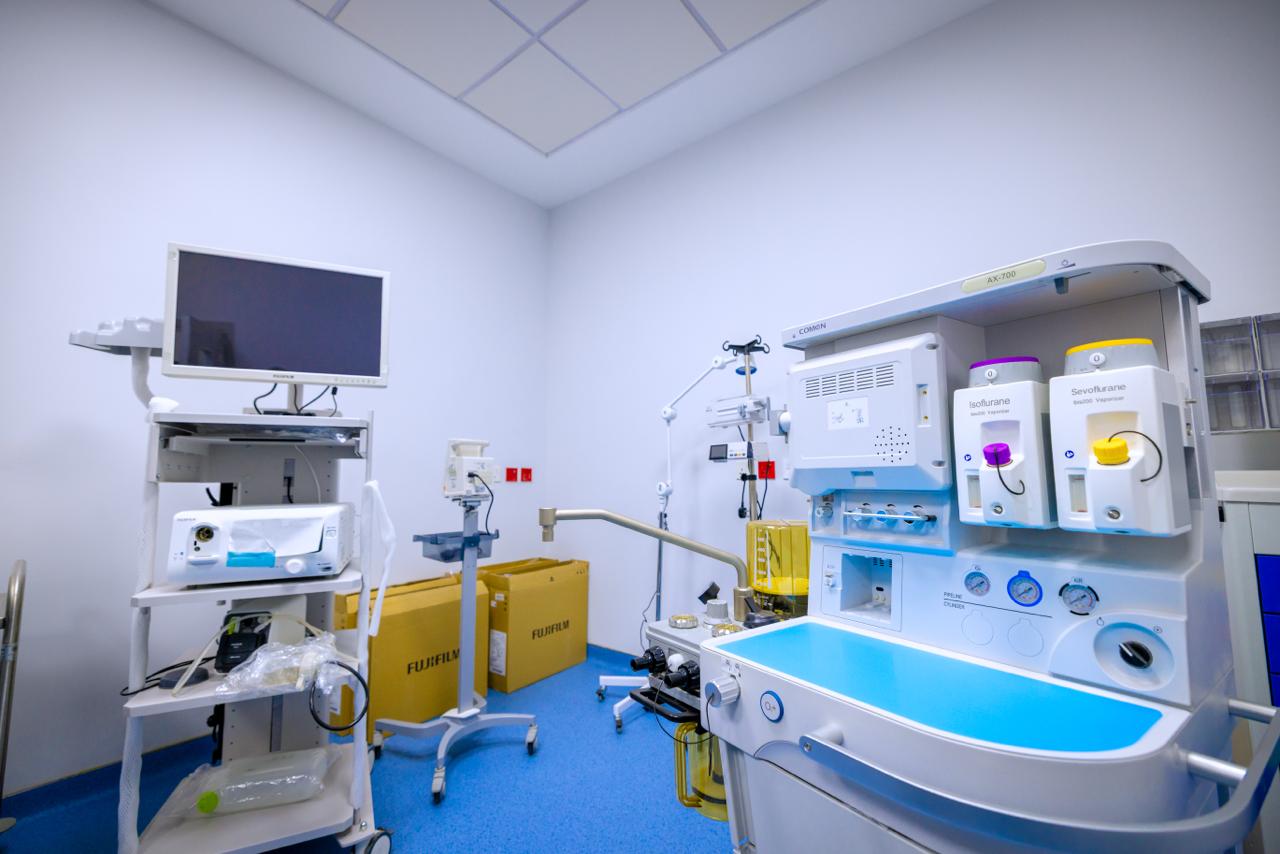
That creates the possibility of a referral chain in which primary healthcare, secondary facilities and specialist institutions are connected rather than operating as isolated projects.
For a quaternary hospital, this referral architecture is essential.
A sophisticated cancer centre, cardiac unit or molecular-imaging department can only deliver its full value when patients arrive through an effective clinical system, when cases are appropriately referred and when follow-up care continues after treatment.
𝗧𝗵𝗲 𝗥𝗲𝗮𝗹 𝗠𝗲𝗮𝘀𝘂𝗿𝗲 𝗼𝗳 𝗦𝘂𝗰𝗰𝗲𝘀𝘀
The opening of Enugu International Hospital will be an important milestone. But its real test will begin afterwards.
Can it consistently attract and retain specialists?
Can advanced equipment be maintained to international standards?
Can PET/CT and other sophisticated technologies operate reliably?
Can the hospital sustain access to the radiopharmaceuticals and technical expertise required by nuclear medicine?
Can it provide services that are financially accessible to Nigerians while remaining clinically and financially sustainable?
Can it become a centre for medical education, research and innovation rather than only a place where patients receive treatment?
And can it develop partnerships that connect Enugu to specialist institutions, universities and healthcare professionals across Nigeria, Africa and the wider world?
Those questions will determine whether the project becomes simply an impressive healthcare facility or a genuinely consequential medical institution.
𝗙𝗿𝗼𝗺 𝗔𝗯𝗮𝗻𝗱𝗼𝗻𝗲𝗱 𝗔𝘀𝘀𝗲𝘁 𝘁𝗼 𝗔𝗳𝗿𝗶𝗰𝗮𝗻 𝗣𝗼𝘀𝘀𝗶𝗯𝗶𝗹𝗶𝘁𝘆
There is also a wider lesson in the project’s history.
A medical facility conceived during one administration, interrupted for years by legal and ownership complications, forfeited to the Federal Government and eventually returned to Enugu State has now been given a new institutional identity.
That is more than the completion of a construction project.
It is an example of how a dormant asset can be repurposed to address a contemporary public need.
For Mbah, the Enugu International Hospital also fits into a broader economic conception of Enugu — one in which healthcare is simultaneously a public service, a professional ecosystem, a source of investment and employment, and a potential destination for people seeking specialised care.
The governor has described the hospital as part of a deliberate plan to make Enugu a medical-tourism destination and retain some of the resources that Nigerians currently spend abroad on healthcare.

In the broader context of Enugu’s recent governance, this is where Mbah’s approach stands out most clearly: the emphasis has been on taking large-scale public ambitions beyond announcement and into implementation, while connecting individual projects to a wider development strategy.
The distinction is not that previous administrations did nothing, nor that every initiative of the present administration is without limitations. Rather, it is that the Mbah administration has demonstrated a particularly strong appetite for converting inherited opportunities and new policy ambitions into visible, large-scale infrastructure with defined economic and social purposes.
Enugu International Hospital is one of the clearest examples of that approach.
𝗪𝗵𝗮𝘁 𝗘𝗻𝘂𝗴𝘂 𝗖𝗼𝘂𝗹𝗱 𝗕𝗲𝗰𝗼𝗺𝗲
The most consequential ambition may therefore not be the hospital itself.
It is what the hospital could help build around it.
If successfully operated, Enugu International Hospital could strengthen the city’s position as a specialist referral centre for South-East Nigeria, support the return and collaboration of Nigerian medical professionals abroad, create opportunities for research and training, and contribute to the development of a healthcare economy extending beyond the hospital walls.
Its advanced imaging and specialist centres also give Enugu an opportunity to participate more actively in Africa’s evolving medical-technology landscape.
The objective need is clear. Africa continues to face major gaps in nuclear-medicine infrastructure, specialist workforce and access to advanced diagnostics. The 2026 continental review found both significant shortages and evidence of rapid growth, particularly in PET/CT infrastructure.
Enugu is therefore entering a field where the challenge is not merely to possess sophisticated equipment, but to build the institutional ecosystem capable of using it well.
𝗔 𝗡𝗲𝘄 𝗖𝗵𝗮𝗽𝘁𝗲𝗿
It would be too simplistic to present Enugu International Hospital as a direct replica of the great medical institutions of the United States, Europe or elsewhere.
Its more meaningful global test is different.
Can a major African city build and sustain an institution where advanced diagnosis and treatment are available without patients having to leave home?
Can it combine infrastructure with human expertise?
Can it turn medical technology into better outcomes, research and knowledge?
And can a project that spent years as an unfinished structure become a living institution that serves generations?
Those are the questions that will define its place in Nigeria and Africa.
The history of the site began with the Renaissance University Teaching Hospital during the Nnamani era. Its long interruption followed. The Federal Government’s 2024 return of the recovered asset opened another chapter.
Mbah’s administration is now giving the Enugu International Hospital site a new purpose — one centred on advanced specialist medicine, domestic capacity and a more ambitious healthcare future for Enugu.
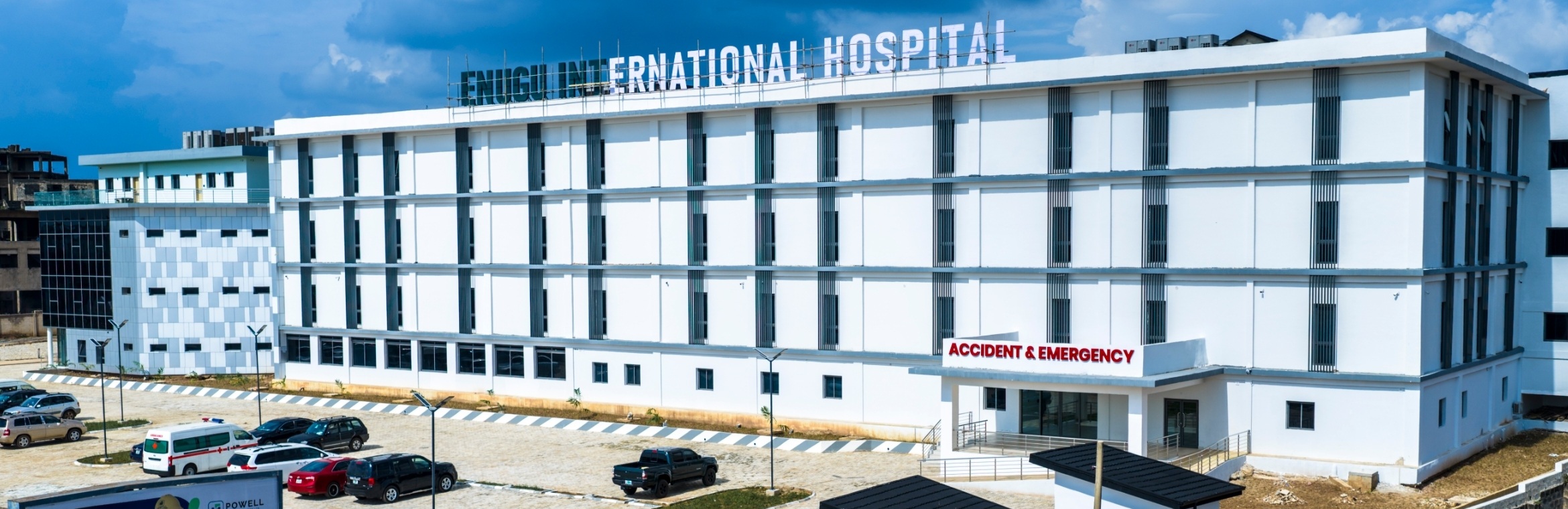
Ultimately, the strongest measure of the project will not be the size of the building, the sophistication of its equipment or the prominence of its opening ceremony.
It will be measured in patients who no longer have to travel abroad for treatment; specialists who find compelling reasons to practise, teach and research in Enugu; families able to remain together during difficult medical journeys; and knowledge generated in Africa for African healthcare challenges.
That is the promise contained in four simple words:
𝗔𝗱𝘃𝗮𝗻𝗰𝗲𝗱 𝗠𝗲𝗱𝗶𝗰𝗶𝗻𝗲. 𝗕𝗿𝗼𝘂𝗴𝗵𝘁 𝗛𝗼𝗺𝗲.
Visit GMTNewsng for more on Enugu International Hospital and other news stories.
Enugu International Hospital: Mbah Brings Advanced Medicine Home