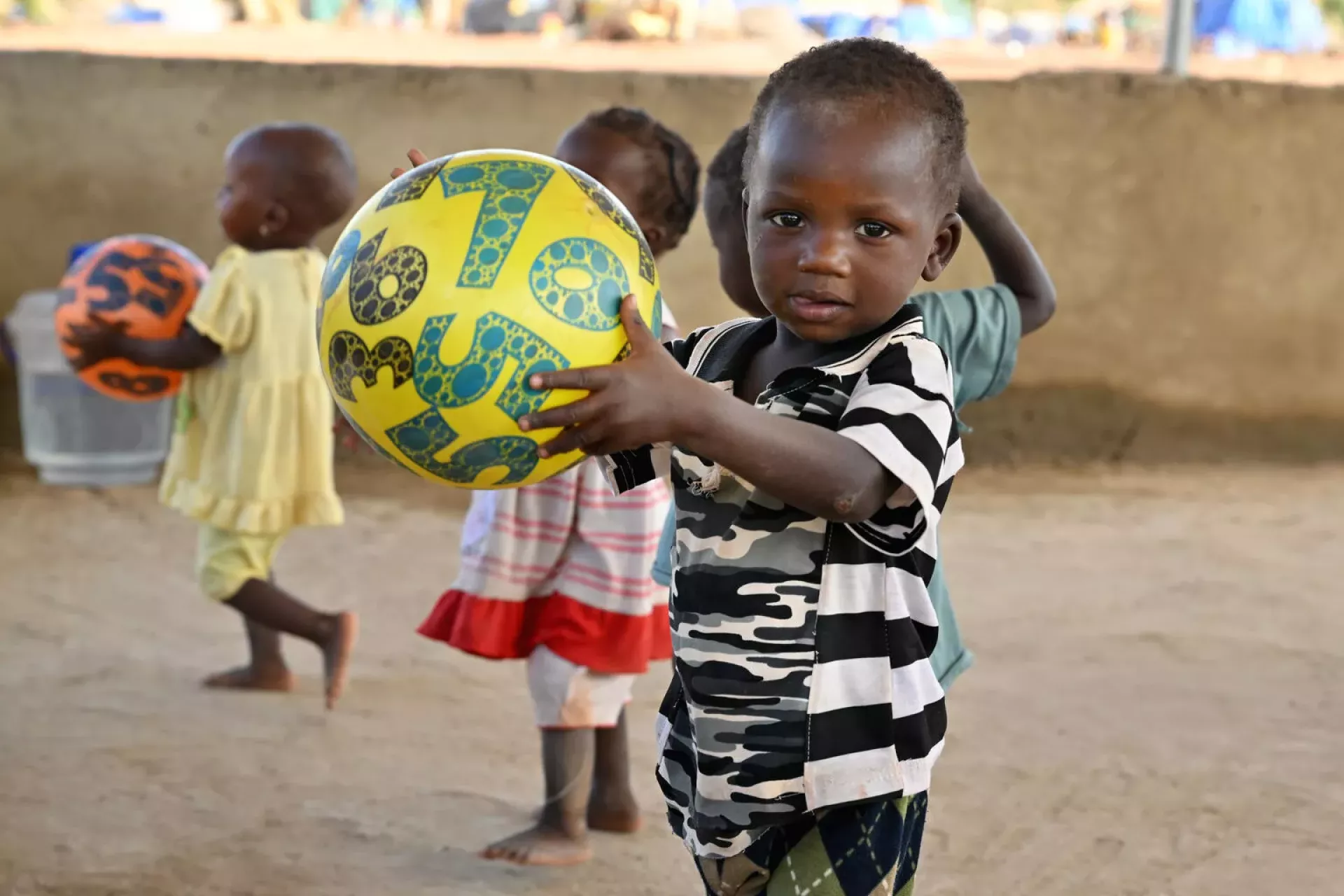
UNICEF has issued an urgent warning as 7.5 million children in the Central Sahel region face a severe humanitarian emergency driven by insecurity, climate shocks, and displacement.
The United Nations Children’s Fund (UNICEF) has issued a stark warning that at least 7.5 million children across the Central Sahel region are in urgent need of humanitarian assistance. This critical emergency, which involves severe insecurity, climate shocks, and socio-economic instability, remains significantly under-addressed by the international community.
The alert follows a 14-day mission by UNICEF Deputy Executive Director Ted Chaiban to Niger, Burkina Faso, and Mali, where he witnessed the profound impact of the crisis on the region’s youth.
Despite the displacement of over 3.6 million people due to conflict and forced migration, Chaiban noted that communities are showing resilience as rural markets reopen and neighbors support one another. However, the data surrounding the crisis is alarming.
In 2025 alone, more than 8,400 schools were rendered inaccessible, and the United Nations has documented over 1,500 grave violations against children, including killings, abductions, and recruitment by armed groups. This lack of access to education and essential services exposes young people to illness and psychosocial distress, undermining their healthy development.
Governments in the region have begun implementing reforms to mitigate these hardships. In Niger, modernization reforms have increased birth registration rates to 79 percent, up from 62 percent in 2023. Burkina Faso has allocated approximately 25 percent of its national budget to education and nearly 12 percent to health, while Mali achieved an 82 percent national immunization coverage rate in 2024.
Despite these policy advancements, Chaiban emphasized that the cycle of violence continues to threaten children’s futures. He concluded by urging the international community not to turn a blind eye, stressing that the resilience of children in the Sahel must not be used as an excuse for global inaction, as millions require immediate life-saving support to regain their dignity and safety.
Visit GMTNewsng for more news stories.