Nigeria confirms an imported Ebola case in Abuja, identifies 44 contacts and intensifies public health measures to prevent further transmission.
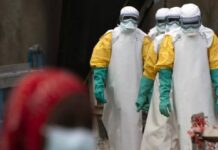
ABUJA: Nigeria has confirmed an imported case of Ebola Bundibugyo virus disease in the Federal Capital Territory (FCT), Abuja, with 44 contacts identified for monitoring as health authorities intensify efforts to prevent further transmission.
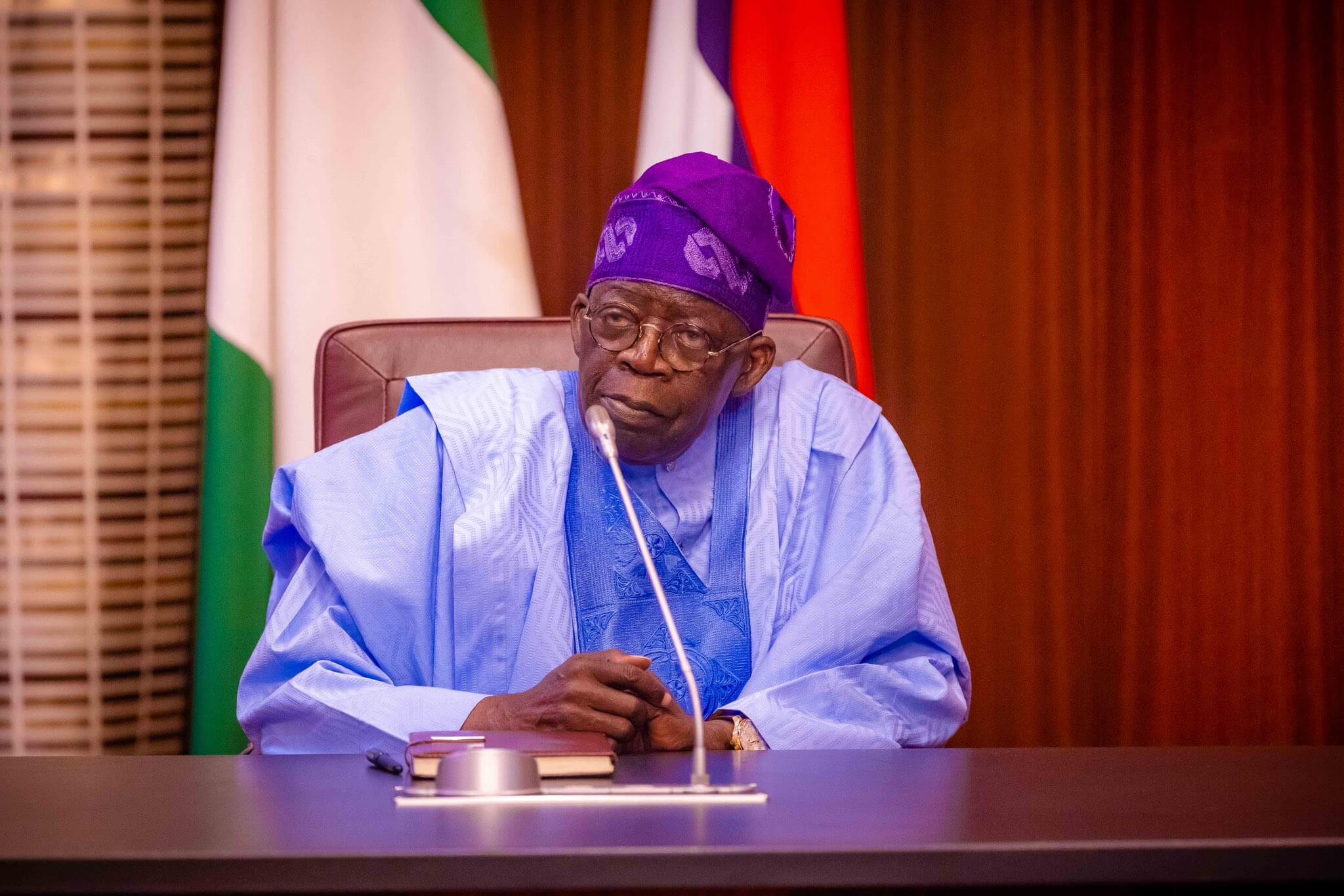
The Coordinating Minister of Health and Social Welfare, Prof. Muhammad Ali Pate, announced the case on Tuesday, October 20, following laboratory confirmation. The patient, a woman, is in isolation and receiving medical care, according to the Federal Ministry of Health and Social Welfare and the World Health Organization (WHO).
The woman reportedly developed symptoms on October 7 and sought treatment at a private hospital in Abuja on October 11. Authorities are tracing people who may have been exposed to the infection, including healthcare workers, patients, caregivers and travel contacts.
Travel History Under Investigation
Uganda’s Ministry of Health said preliminary information indicated that the woman had travelled to eastern Democratic Republic of the Congo (DRC) for business and transited through Uganda in early October without Ebola case symptoms.
Ugandan authorities stressed that transit through the country does not establish where the infection occurred. The patient’s precise exposure location remains under investigation. Uganda also reported no confirmed active Ebola cases at the time of its statement.
The Nigerian government has intensified surveillance and infection-prevention measures, while the hospital where the patient was initially treated is receiving support. Health facilities nationwide have been directed to promptly identify, isolate and report suspected cases.
Nigeria Recalls 2014 Ebola Outbreak
The development comes 12 years after Nigeria contained an Ebola outbreak that began in July 2014, following the arrival of Liberian-American traveller Patrick Sawyer in Lagos.
Nigeria recorded 20 Ebola case s, including eight deaths. Among those who died was Dr Stella Adadevoh, who helped identify and contain the infection. On October 20, 2014, WHO declared Nigeria free of Ebola case transmission after 42 days without a new one.
The current infection is caused by the Bundibugyo virus, a distinct Ebola virus species associated with an ongoing outbreak declared in the DRC in May 2026. Nigeria is among the countries to have reported an imported case linked to the wider regional outbreak.
Authorities have urged Nigerians to remain calm, practise regular handwashing and avoid contact with the blood and other bodily fluids of anyone suspected of having Ebola. Anyone who develops compatible symptoms after possible exposure should contact public health authorities before visiting a healthcare facility.
The Federal Government says it is coordinating the response through the relevant public health agencies. Members of the public can contact the Nigeria Centre for Disease Control and Prevention (NCDC) on its toll-free line, 6232, for guidance and to report suspected cases.
Visit GMTNewsng for more on Ebola Case and other news stories.