Vice-President Shettima says diaspora remittances are strengthening Nigeria’s external position as reserves reach $55.25 billion and GDP growth rises to 4.43 percent.
Vice-President Kashim Shettima has commended Nigerians in the diaspora for their contributions to the Nigerian economy, saying remittance inflows are helping to strengthen the country’s external position.
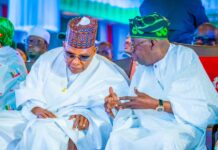
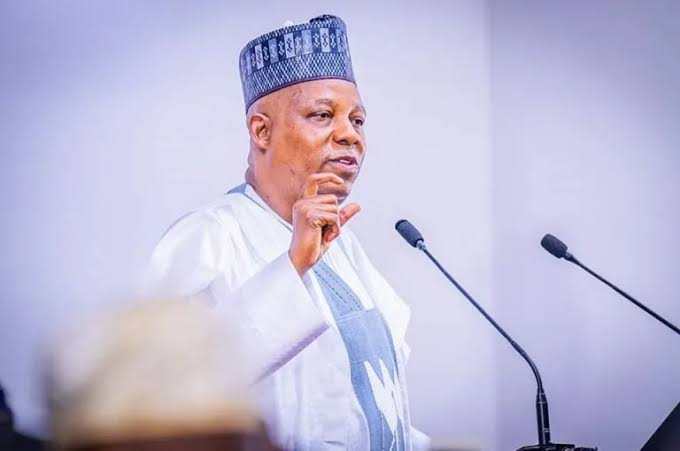
Shettima spoke on Wednesday, September 23, 2026, at a diaspora town hall meeting at Nigeria House in New York, where he urged Nigerians living abroad to deepen their participation in the country’s economic development.
“Your remittances are showing,” the Vice-President told members of the Nigerian community, noting that Nigerians abroad remit about $20 billion annually.
Official remittances to Nigeria stood at about $20.93 billion in 2024, according to the figures cited at the meeting, highlighting the role of diaspora inflows in foreign-exchange earnings and household incomes.
Shettima also pointed to Nigeria’s rising external reserves as an indicator of stronger external buffers. The Central Bank of Nigeria reported that gross external reserves stood at $55.25 billion as of September 18, 2026, the highest level in about 18 years and equivalent to approximately 11.3 months of import cover.
The Vice-President, who is representing President Bola Ahmed Tinubu at the 81st United Nations General Assembly in New York, called on Nigerians abroad to translate their expertise, business networks and professional achievements into stronger partnerships with Nigeria.
He also called for national unity, saying the country’s diversity should not prevent citizens from working collectively towards national development.
“What binds us together supersedes whatever divides us,” he said.
Shettima acknowledged that Nigerians continued to face challenges, including insecurity and inadequate electricity supply, but said recent economic indicators pointed to changes in some areas.
He cited the economy’s growth in the second quarter of 2026, saying, “The economy grew last quarter by 4.4 per cent.” The National Bureau of Statistics reported real GDP growth of 4.43 percent year-on-year in Q2 2026, compared with 3.89 percent in the preceding quarter.
“I can assure you, my brothers and sisters, that we are working day and night to reposition the Nigerian nation,” Shettima said.
The Vice-President highlighted major infrastructure projects, including the Lagos-Calabar Coastal Highway and Sokoto-Badagry Superhighway, as investments intended to improve connectivity and support economic activity.
He also cited developments in the private sector, including the Dangote Refinery and the expansion of Nigerian-owned financial institutions and businesses across Africa, as examples of the capacity of Nigerian enterprises to operate at scale.
Shettima particularly praised Nigerians living in the United States for their educational and professional achievements and encouraged them to channel those capabilities into economic partnerships with Nigeria.
Migration Policy Institute analysis of 2024 U.S. Census data found that 67 percent of Nigerian immigrants aged 25 and above held at least a bachelor’s degree. The Vice-President used the educational achievements of Nigerian immigrants as part of his broader appeal for greater diaspora engagement.
The town hall provided an opportunity for members of the Nigerian community in the United States to interact with the Vice-President on national development and the role of the diaspora.
Shettima is in New York leading Nigeria’s delegation to UNGA81 and is scheduled to deliver Nigeria’s national statement before the General Assembly on Thursday, September 24. The Federal Ministry of Information confirmed that he is representing President Tinubu at the General Assembly and will participate in high-level and bilateral engagements during the UNGA week.
Visit GMTNewsng for more news stories.