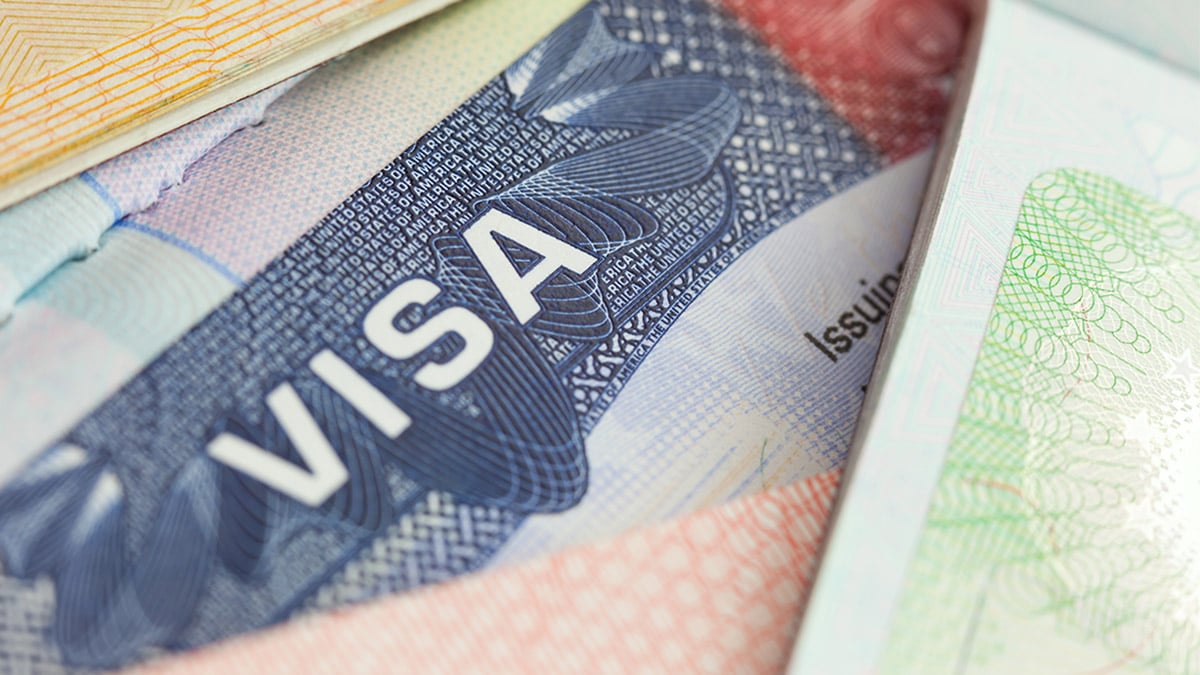
The U.S. government is preparing to revoke up to 200,000 B1 and B2 visas held by foreigners who have applied for or are currently seeking asylum, in what could become the largest mass visa revocation in U.S. history.
The United States government is preparing to revoke up to 200,000 business and tourism visas held by foreign nationals who have applied for or are currently seeking asylum in the country, in what could become the largest single mass visa revocation in U.S. history.
The planned action by the State Department, in coordination with the Department of Homeland Security (DHS), targets holders of B1 and B2 non-immigrant visas issued between 2016 and 2026 who subsequently sought asylum in the United States.
The Associated Press reported, citing State Department documents and two U.S. officials, that the revocations are expected to be announced in the coming weeks unless the policy is challenged or revised. Reuters also reported that the potential action could affect as many as 200,000 people.
State Department spokesman Tommy Pigott confirmed that the government was working with DHS to identify and revoke the visas.
“We are coordinating with DHS to identify and revoke the nonimmigrant visas of foreigners who have come to the United States claiming to be short-term visitors, but then file for asylum to stay here permanently,” Pigott said.
However, Pigott did not confirm that exactly 200,000 visas would be revoked, stressing that the number remains dynamic and that the process would be carried out on a rolling basis.
B1 visas are generally issued to foreign nationals travelling to the U.S. for business purposes, while B2 visas cover tourism, family visits and medical treatment.
Under the planned policy, holders of these visas who later filed asylum claims could lose their visitor visa classification. Officials said the revocations would not automatically result in immediate deportation.
Most people with pending asylum cases would instead be moved into another immigration category while their cases continue, although they would no longer retain their status as business or tourism visitors.
The administration’s position is that some foreign nationals have misused temporary visitor visas by entering the United States and subsequently filing asylum claims with the intention of remaining permanently.
Deputy Secretary of State Christopher Landau criticised what he described as bogus asylum claims, arguing that asylum should not be used to circumvent U.S. immigration laws.
The proposed visa revocations form part of a broader tightening of U.S. immigration policy under President Donald Trump’s second administration.
Since Trump returned to office in January 2025, the administration has increased scrutiny of visa applicants, including requirements for additional information about applicants’ social media activity, higher visa-related costs and restrictions affecting nationals of certain countries.
The State Department has also revoked more than 175,000 visas over the past 18 months involving people who had been convicted or accused of crimes, as well as some individuals who publicly opposed U.S. policies, according to reports citing government figures.
The latest move is expected to attract legal challenges, particularly because asylum applications can be made by people who are physically present in the United States.
It also remains unclear exactly how many Nigerians and other African nationals could be affected by the proposed revocations. The U.S. government has not released a country-by-country breakdown of the potentially affected visa holders.
The administration has separately pursued measures targeting what it calls “birth tourism,” referring to foreign nationals travelling to the United States to give birth. Trump’s attempts to restrict birthright citizenship have faced legal challenges, with the courts blocking key parts of his efforts.
For now, the proposed visa revocation remains an ongoing process rather than a completed mass cancellation, with the State Department expected to proceed on a rolling basis and the final number of affected visa holders subject to change.
Visit GMTNewsng for more news stories.