Bundibugyo virus outbreak intensifies in the Democratic Republic of the Congo as confirmed cases rise to 4,665 and deaths reach 2,184, WHO says.
The Bundibugyo virus disease outbreak in the Democratic Republic of the Congo (DRC) has intensified, with confirmed cases rising to 4,665 and deaths reaching 2,184, according to the World Health Organization (WHO).
The WHO said in its latest update that the outbreak is now in a phase of intense transmission, with the epidemic expanding from its initial epicentre in Ituri Province to 54 health zones across six provinces.
The affected provinces are Ituri, North Kivu, South Kivu, Haut-Uélé, Tshopo and Bas-Uélé.
Bas-Uélé recently reported its first confirmed case in Buta Health Zone involving an individual who had travelled from Haut-Uélé, highlighting the continuing geographic expansion of the outbreak.
The WHO said the outbreak recorded its highest weekly figures during epidemiological week 32, with 579 cases and 304 deaths reported.
The figures represent a case fatality ratio of 46.8 per cent, underscoring the severity of the outbreak.
The current epidemic has surpassed previous Bundibugyo virus outbreaks in scale and is the largest recorded outbreak caused by the virus. WHO previously reported that the number of cases had already exceeded the cumulative totals of the two earlier documented Bundibugyo virus disease outbreaks.
The WHO said the combination of rising infections, expanding geographic transmission and high mortality has heightened concerns over the public health situation in the DRC.
“Insecurity, population displacement, mobility and cross-border movements are complicating response operations and increasing the risk of further spread,” the organisation said.
The outbreak is occurring in a region affected by insecurity and significant population movement, including cross-border travel, trade and displacement. WHO has warned that these factors make surveillance and containment more difficult and increase the risk of regional spread.
DRC health authorities, supported by WHO and other partners, are expanding surveillance, testing, infection prevention and control, contact tracing and case-management activities.
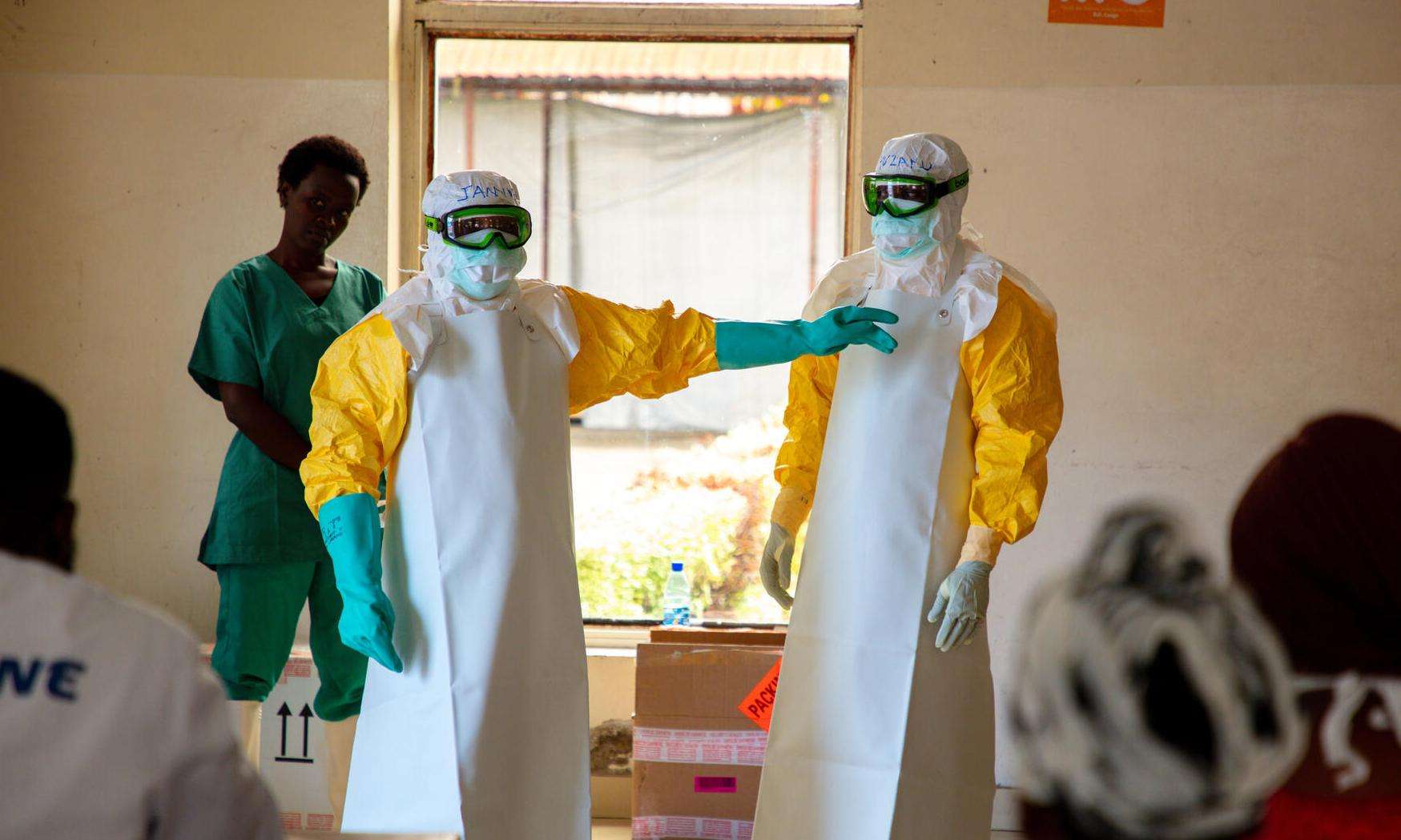
Treatment centres are also being expanded into additional affected areas, while health and care workers are being trained to support the response.
WHO and Africa Centres for Disease Control and Prevention (Africa CDC) leaders have identified stronger surveillance and deeper engagement with affected communities as priorities following missions to the DRC.
The outbreak has also prompted heightened surveillance in neighbouring countries because of the movement of people across borders.
WHO said France recorded no secondary transmission after detecting an imported case on June 24, with 41 days having passed without another confirmed case as of August 14.
In Uganda, the latest imported case was discharged on July 16, while the country’s 42-day enhanced monitoring period is expected to end on August 27.
However, WHO said Uganda remains at risk of reintroduction because of continued transmission in neighbouring DRC.
The current outbreak was first confirmed in May 2026 in north-eastern DRC’s Ituri Province. WHO subsequently determined that the epidemic, alongside transmission in Uganda, constituted a Public Health Emergency of International Concern (PHEIC) on May 17.
Unlike Ebola virus disease caused by Zaire ebolavirus, there is currently no licensed vaccine or specific approved treatment for Bundibugyo virus disease. WHO says response efforts therefore rely heavily on early detection, surveillance, contact tracing, infection prevention and control, supportive care, safe burials and community engagement.
WHO’s technical advisory group has recommended that Ervebo, the licensed Ebola vaccine used against Zaire ebolavirus, be prioritised for evaluation in a randomised clinical trial during the ongoing DRC outbreak. WHO said preparations were underway with partners to begin the trial.
The WHO has scheduled another meeting of the International Health Regulations Emergency Committee on August 18 to review the evolving Bundibugyo virus disease epidemic.
Visit GMTNewsng for more news stories.