Governor Peter Mbah says Enugu International Hospital is ready for inauguration as the state targets medical tourism and seeks to reverse brain drain.
Enugu State Governor Peter Mbah has declared that the state is ready to welcome patients and medical professionals from around the world as the Enugu International Hospital nears inauguration.
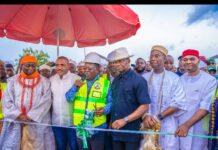
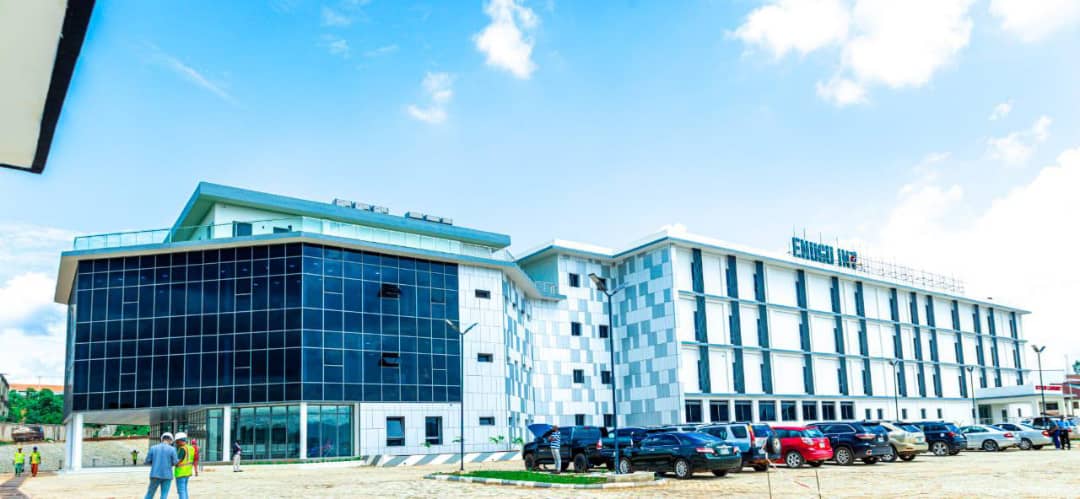
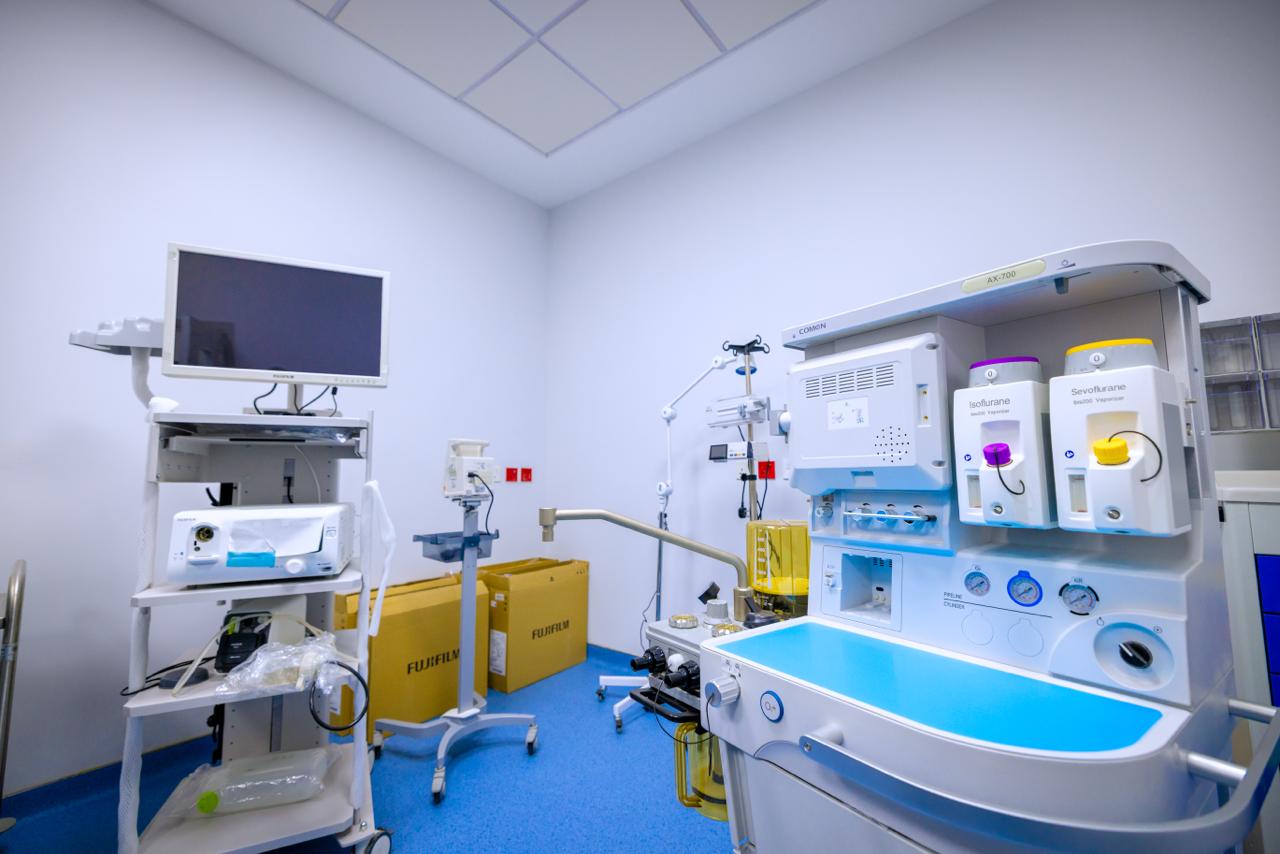
Mbah made the declaration on Thursday after touring the facility on Rangers Avenue, Independence Layout, Enugu, where he said the hospital had been fitted with advanced medical equipment and was positioned to help reverse Nigeria’s medical tourism trend.
The 300-bed specialist hospital is one of the flagship projects of the Mbah administration’s healthcare agenda and is designed to provide advanced and specialised medical services, while also serving as a major referral facility for patients within and beyond Enugu State. The state government had earlier said the project was intended to position Enugu as a medical tourism hub and reduce the need for Nigerians to travel abroad for specialised treatment.
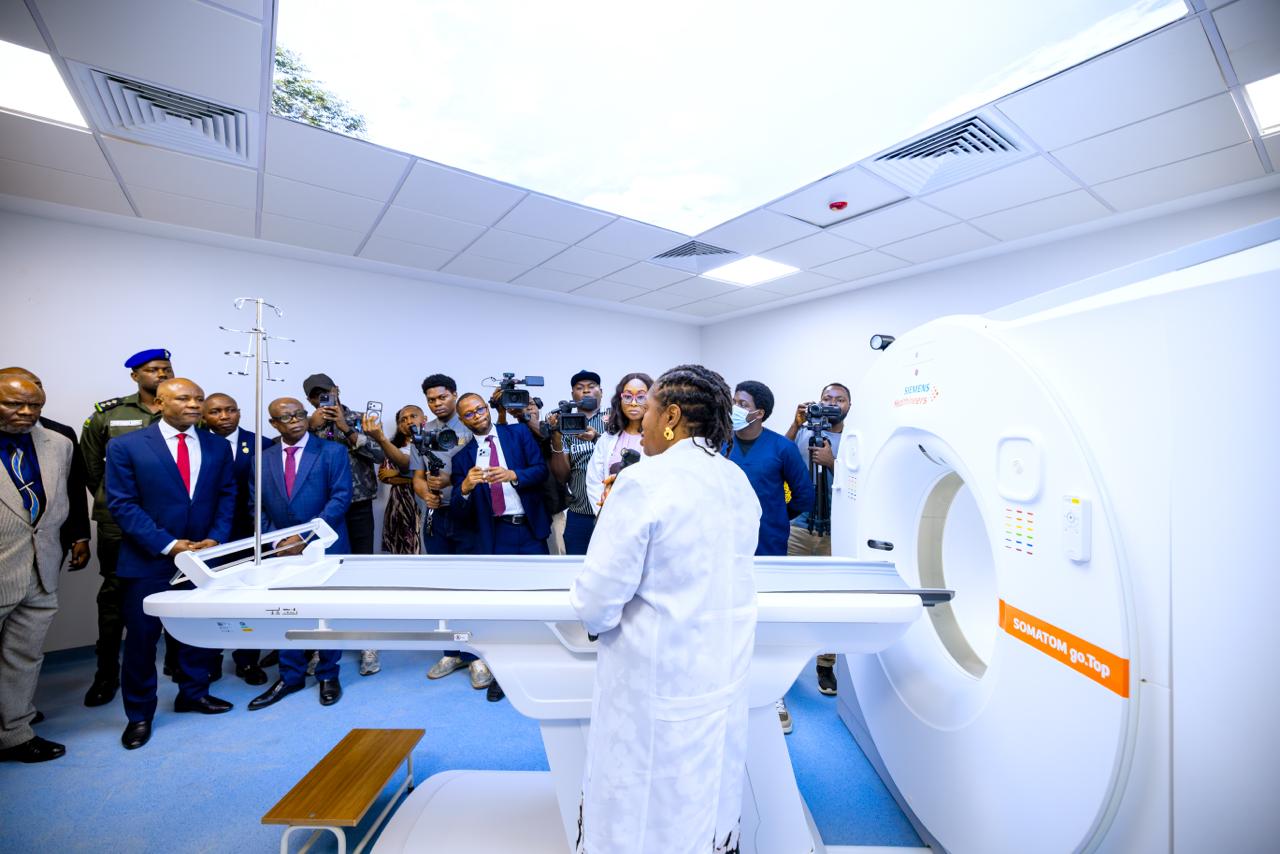
Speaking to journalists during the pre-launch walkthrough, Mbah said the hospital was conceived as part of a deliberate strategy to secure a significant share of the global medical tourism market.
“If you recall our manifesto during our campaign for office, we made it clear that we were committed to making Enugu a medical tourism hub on the continent,” he said.
The governor said his administration understood that achieving the ambition would require more than policy statements, stressing the need for world-class infrastructure and highly skilled medical professionals.
“We knew that we needed to do things differently and build a world-class facility and, most importantly, attract top-notch professionals to provide services. We cannot wait to welcome the world to Enugu,” he stated.
Mbah said the facility would address significant gaps in advanced healthcare services, particularly in diagnostics and treatment.
He noted that many Nigerians currently travel to countries including India, Turkey, the United States and the United Kingdom to obtain specialised medical treatment.
“We felt that if we want to compete globally, then we must also have the ability to provide advanced oncology services. Therefore, we are not only able to give you an advanced diagnosis, but we’re also able to treat,” he said.
According to the governor, the facility will provide both diagnostic and therapeutic services, allowing patients to access specialised care without travelling outside the country.
The hospital’s planned services include cancer care, heart and vascular medicine, neurosciences, renal and transplant services, wellness and regenerative medicine, as well as conventional departments such as general surgery, mother and child care, ENT, dental and ophthalmology.
Chief Executive Officer of the hospital, Prof. Sam Agwu, said six major centres of excellence had been earmarked for the facility.
The Cancer Centre will provide medical, surgical and nuclear medicine diagnostics and therapeutics, while the Heart and Vascular Centre will offer cardiology consultations, diagnostics, electrophysiology, arrhythmia care, interventional cardiology and catheterisation laboratory procedures.
The Neurosciences Centre will focus on conditions including stroke, epilepsy and brain and spine tumours, alongside neurosurgical procedures.
The Renal and Transplant Centre will provide kidney-care services, chronic kidney disease clinics, dialysis support and transplant assessment.
The facility will also provide wellness and regenerative medicine services.
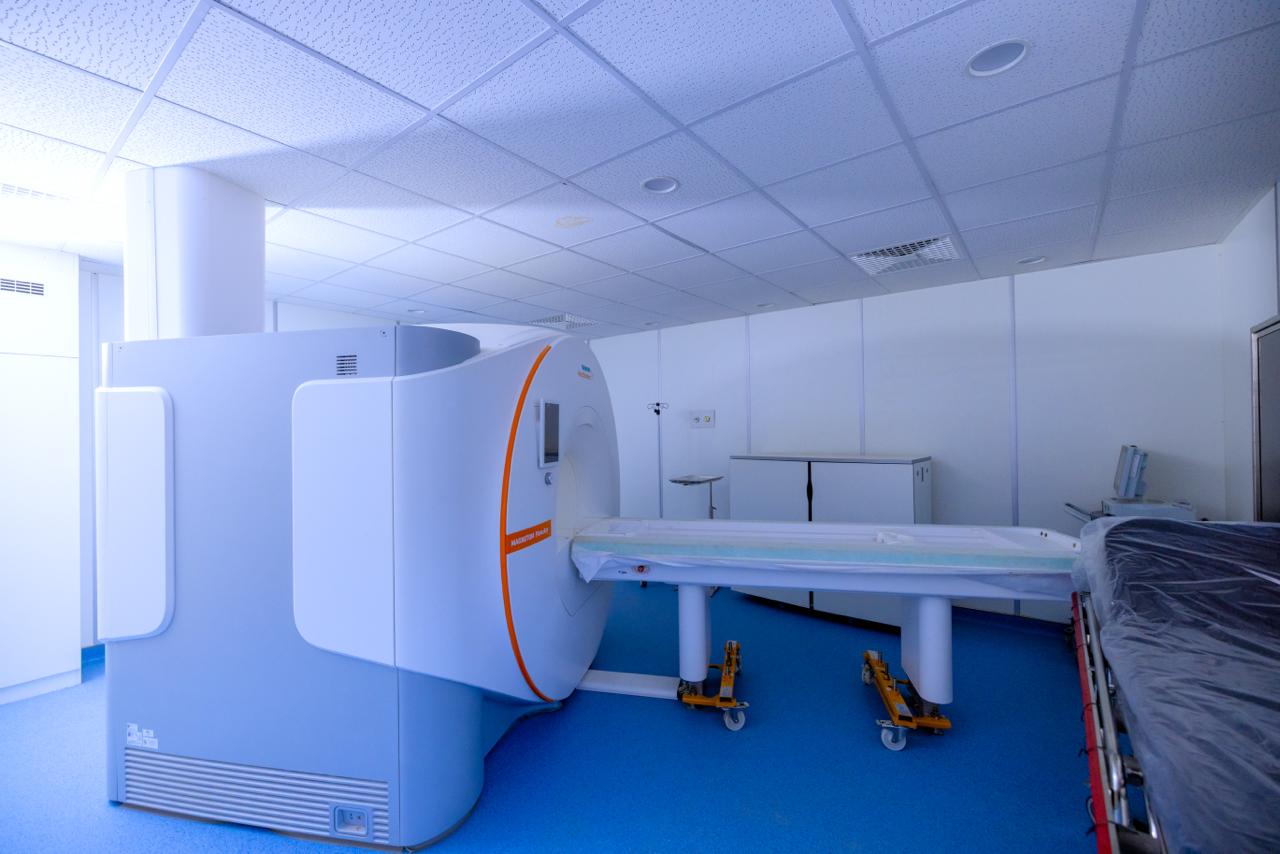
Recent updates from the state government indicate that the hospital is being equipped with advanced infrastructure including MRI technology, cancer-treatment equipment, mammography machines and modern surgical theatres. The state’s Health Commissioner, Prof. George Ugwu, also disclosed that the hospital’s dialysis unit would have more than 10 dialysis machines and that a cardiac catheterisation laboratory would support complex cardiovascular procedures.
Mbah said the hospital was already attracting strong interest from Nigerian medical professionals in the diaspora.
He said some professionals who had left the country to practise abroad were now interested in returning to contribute their expertise to the development of healthcare in Enugu.
“We have also received an outpouring of interest from our healthcare professionals in the diaspora. Some of them were doing well here at some point and now went overseas to practice. They are now happy to come back home and give back to the society that nurtured them,” he said.
The governor said the facility would also deploy telemedicine, digital systems and electronic medical practices to enable patients and local professionals to benefit from expertise beyond the hospital’s physical location.
The plan is consistent with the state government’s earlier commitment to attract Nigerian medical professionals abroad to the project. When construction of the hospital was formally launched in 2024, the government said diaspora professionals had already begun discussions on possible collaboration.
Mbah said the hospital was not being developed in isolation but formed part of his administration’s broader strategy to grow Enugu’s economy from about $4.4 billion to $30 billion.
He said investment in healthcare was essential to attracting businesses and investors because access to quality medical care is among the factors considered when people decide where to live, work and invest.
“If you look at our intervention in the healthcare sector, from the primary healthcare to the secondary, tertiary, and now the quaternary, it is intentional,” he said.
The state government’s 2026 budget provides for the completion of the 300-bed Enugu International Hospital, alongside the completion and equipping of 260 Type-2 Primary Healthcare Centres and upgrades to secondary healthcare facilities.
Mbah said the hospital would also create employment opportunities while strengthening the state’s healthcare ecosystem.
Former Chairman of the Nigerian Medical Association (NMA), Enugu State, Dr Sunday Nwafor, described the project as a significant development for the medical profession.
He said the hospital could help reverse the migration of Nigerian doctors by providing an internationally competitive environment for medical professionals to practise.
“Going forward, our doctors have a place of international standard where they can practice with state-of-the-art equipment and also earn well,” Nwafor said.
The comments reflect a central objective of the project: combining advanced medical infrastructure with access to highly skilled professionals to reduce outbound medical tourism and encourage a “brain gain” in Nigeria’s healthcare sector.
The Enugu International Hospital was originally announced as a 250-bed ultramodern quaternary facility in 2024, before the project was expanded to a 300-bed multispecialty hospital. The government subsequently described it as a cornerstone of its plan to establish Enugu as a medical tourism destination.
Mbah was accompanied during the inspection by the Commissioner for Health, Prof George Ugwu, and other senior government officials.
Visit GMTNewsng for more news stories.