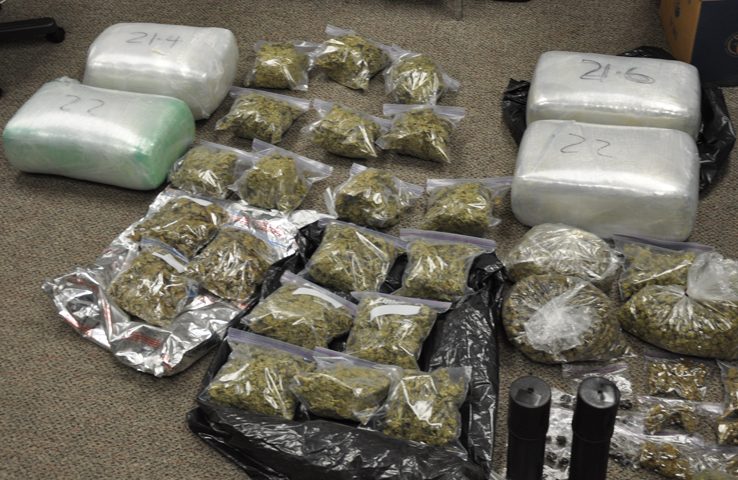
Trafficking of illegal drugs through cyberspace and digital platforms will continue to attract the death penalty in Bangladesh following the passage of the Narcotics Control (Amendment) Bill, 2026.
Bangladesh’s parliament has passed the Narcotics Control (Amendment) Bill, 2026, retaining the death penalty as the maximum punishment for online drug trafficking and related narcotics offences.
The legislation was approved by a voice vote on Monday as part of efforts to strengthen the country’s response to technology-driven drug crimes.
Bangladesh’s Home Minister, Salahuddin Ahmed, presented the bill before parliament, where lawmakers endorsed expanded legal provisions to address the growing use of digital platforms for illegal drug distribution.
Under the amended law, the use of cyberspace, digital devices, social media platforms and other online channels for transactions involving illegal drugs or psychoactive substances is now a criminal offence. The legislation also prohibits the use of digital payment systems, e-wallets, virtual assets and cryptocurrencies to facilitate drug-related activities.
The new law retains capital punishment as the highest penalty for online drug trafficking, while other offences attract prison terms and fines of up to five million taka (approximately 41,000 U.S. dollars).
In addition, prosecutors will no longer be required to physically recover illegal drugs from suspects before securing convictions in certain narcotics-related cases.
The amendments further empower the Department of Narcotics Control to establish a canine unit and authorise its officers to carry firearms while performing official duties.
The legislation also provides for the establishment of special tribunals to handle drug-related cases in high-risk areas, complementing the existing judicial system.
Speaking during the parliamentary debate, Home Minister Salahuddin Ahmed said the government was taking administrative action against officials found guilty of misconduct.
He stressed that no individual found culpable of drug-related offences or official wrongdoing would be shielded from prosecution under the law.
Visit GMTNewsng for more news stories.