By Dr. Maxwell Ngene.
A biting, analytical critique of the “Borno Model” counter-insurgency framework, challenging the premature mass reintegration of 720 ex-Boko Haram fighters into traumatized communities.
My Perspective on This Shameful Reintegration Policy
We have just learnt that another 720 Boko Haram fighters have been reintegrated into communities in Borno State. This is deeply disturbing, and the widespread public concern is entirely justified. As someone who has followed this issue closely, I view this as a reckless and shameful policy that prioritizes political optics over the safety and dignity of ordinary Nigerians.
What Actually Happened
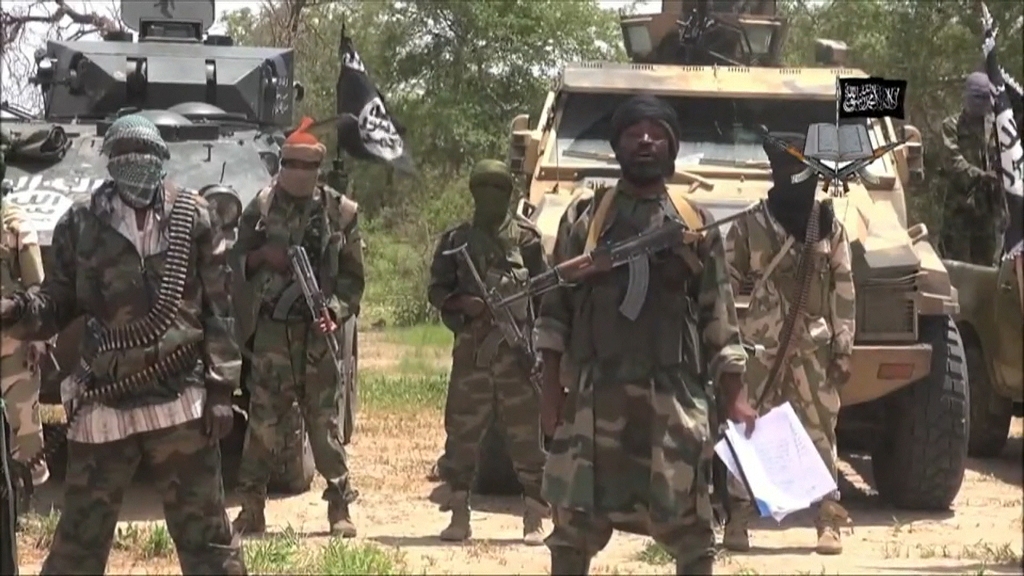
The Borno State Government has released yet another batch of Boko Haram fighters. Yes, you heard right! It is the Batch 9 of 720 terrorists, after they supposedly completed a rehabilitation and deradicalization programme. Together with them came 992 spouses and 2,050 children. This brings the total number of ex-insurgents processed under this initiative to nearly 10,000 since July 2021. Over 350,000 insurgents and their family members are said to have surrendered since the programme started. These individuals were described as “low-risk,” disarmed, given vocational training, and made to swear an oath on the Holy Quran before being returned to their communities.
The government claims participants undergo profiling, disarmament, counselling, Islamic teachings, hygiene education, and skills training in areas like tailoring, carpentry, bricklaying, and phone repairs. Community leaders, the Civilian Joint Task Force, and local hunters are supposedly involved in screening. Proponents call this a “globally recognized non-kinetic counter-insurgency model,” arguing that military force alone cannot defeat an insurgency driven by ideology, poverty, and alienation.
My Serious Concerns
This programme is profoundly flawed, and my outrage is rooted in basic security logic and respect for victims.
The recidivism risk is glaringly obvious. There have already been documented cases of reintegrated fighters returning to violence. Yet the authorities keep releasing new batches without transparent evidence that the problem has been solved. Swearing an oath on the Quran is not a serious security safeguard; it is a ritual that offers zero intelligence-based assurance against men who once burned villages, abducted children and killed their parents in cold blood.
The scale makes it even worse. Nearly 10,000 ex-fighters reintegrated is not a cautious pilot project; it is a mass release programme operating while the insurgency remains active. Forcing honest citizens, including survivors and victims’ families, to live alongside their former tormentors is morally indefensible. The psychological trauma inflicted on these communities is being grossly downplayed.
There is also a complete bypass of justice. Were these fighters prosecuted for their crimes? Have victims received any meaningful compensation or recognition? Reintegration without accountability is not peacebuilding – it is the erasure of victims’ rights and the normalization of impunity.
Calling this the “Borno Model” is clever branding, but it is misleading. It borrows language from legitimate DDR (Disarmament, Demobilization, and Reintegration) programmes used in genuine post-conflict settings like Colombia or Rwanda. Borno is not post-conflict. The war is still ongoing and more fierce. Applying such a framework prematurely looks less like thoughtful policy and more like an attempt to declare victory on paper while shifting the security burden onto already traumatized communities.
My Frank Conclusion
This policy is shameful. It reflects a federal government that appears more interested in managing headlines and international perceptions than in delivering genuine security and justice. History suggests that after the inevitable next attack by a reintegrated insurgent, we will hear the usual condemnations, expressions of sympathy, and then – Batch 10.
Reintegration programmes are not inherently wrong when implemented in the right conditions: robust transitional justice, credible intelligence vetting, victim reparations, and a truly post-conflict environment. Nigeria’s version – rushed, opaque, and reliant on oaths in an active war zone — is at best premature and at worst dangerously irresponsible.
The government owes Nigerians straight answers: What is the actual recidivism rate among the thousands already released? How many attacks have been linked to programme participants? What concrete protections exist for host communities? Until these questions are answered transparently and honestly, this policy deserves strong public opposition. The safety of citizens should never be treated as an experiment.

Dr. Ngene is a Senior Lecturer at the Enugu State University of Science and Technology, Agbani. He is a communication scholar and advocate for good governance in Nigeria.
Visit GMTNewsng for more news stories.