
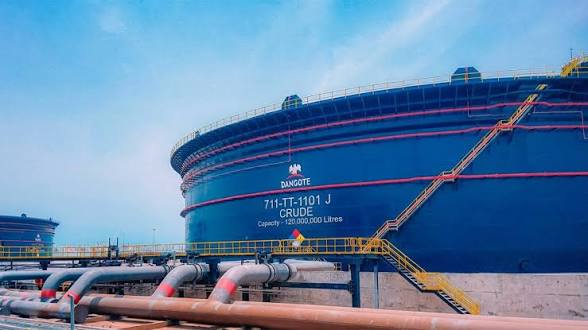
The Dangote Refinery IPO, projected at $50bn, may become Africa’s largest listing, reshaping Nigeria’s economy, FX stability, and capital markets depth.
LAGOS, NIGERIA – The expected Dangote Refinery Initial Public Offering (IPO) is increasingly being viewed as a defining moment for Nigeria’s economic structure, with implications that extend far beyond the capital markets into foreign exchange stability, industrial policy, and regional energy trade.
The planned listing, which is expected to float about 10 percent of the Dangote Petroleum Refinery on the Nigerian Exchange (NGX), could value the facility at between $40 billion and $50 billion, positioning it as potentially the largest IPO in African financial history. The scale of the Dangote Refinery IPO places it among the most significant energy-sector listings globally, given the refinery’s integration into Nigeria’s fuel supply chain and export ambitions.
At the centre of economic projections is the refinery’s capacity to reduce Nigeria’s long-standing dependence on imported refined petroleum products. Analysts estimate that full-scale operations could support billions of dollars in annual foreign exchange inflows while significantly easing pressure on Nigeria’s external reserves. The Dangote Refinery IPO is therefore being framed not only as a corporate milestone but as a structural macroeconomic adjustment mechanism.
Market analysts argue that the listing could deepen Nigeria’s capital markets, which have historically been dominated by banking and consumer goods equities. By introducing a large-scale industrial energy asset into public markets, the Dangote Refinery IPO is expected to increase institutional participation, particularly from pension funds following recent regulatory adjustments allowing exposure to the offering.
In a statement reflecting the policy significance of the development, Nigeria’s pension regulator previously approved limited participation for pension funds in the proposed listing, describing it as a strategic investment opportunity aligned with long-term infrastructure development goals. This move underscores the perceived national importance of the Dangote Refinery IPO beyond conventional equity market activity.
However, the outlook is not without structural concerns. Some analysts warn that concentration risk could emerge if a significant portion of market capitalization becomes tied to a single industrial asset. Others point to ongoing regulatory tensions surrounding fuel import licences, which continue to shape competitive dynamics in Nigeria’s downstream petroleum sector.
Despite these challenges, projections remain strongly optimistic. The refinery, already one of the largest globally with a capacity of about 650,000 barrels per day, is expected to significantly alter West Africa’s fuel import dependency pattern. Expansion plans under discussion could further increase capacity, strengthening Nigeria’s position as a regional refining hub.
Ultimately, the Dangote Refinery IPO represents a rare convergence of industrial policy, capital market expansion, and foreign exchange reform. Its success or failure will likely influence not just investor sentiment, but Nigeria’s broader economic direction for years to come.
Visit GMTNewsng for more news stories.


