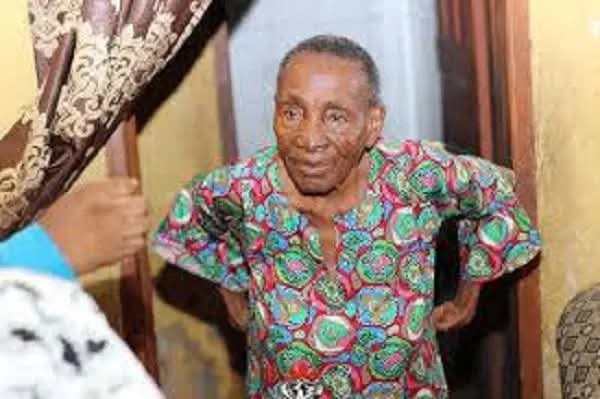
The last surviving twin rescued by the iconic Scottish missionary, Mary Slessor, has died at the remarkable age of 115, marking the end of a living chapter in Nigeria’s colonial and missionary history. Madam Mgbafor, who was widely regarded as one of the earliest surviving twins in Eastern Nigeria saved from traditional infanticide, passed on peacefully in her sleep at her ancestral home in Amasu Village, Arochukwu, Abia State.
In a statement released by her family and endorsed by the Amasu Council of Elders, it was confirmed that “the birth of Mgbafor and her twin sister, Mgbokwo, who passed on almost two decades ago, was not only attended to by Slessor and her team at their maternity at Obinagu, Amasu Village, Arochukwu, but the twins were subsequently adopted and fostered by Slessor herself.”
Born at a time when twins were considered an abomination in many parts of Southern Nigeria, Mgbafor’s life story has been a powerful symbol of resilience and transformation. Mary Slessor, renowned for her fearless opposition to the killing of twins and other cultural practices deemed inhumane, took the young girls under her care and raised them at her mission station in Calabar and later in the surrounding Igbo communities.
Speaking on the historical significance of Madam Mgbafor’s passing, Dr. Ndukwe Okorie, a cultural historian at Abia State University, described it as “the quiet departure of a living link to one of the most turbulent but transformative eras in Nigeria’s cultural evolution. Madam Mgbafor was more than just a survivor — she was a witness to the intersection of colonial evangelism, local tradition, and the changing tide of human rights awareness in our society.”
Chief Emmanuel Kanu, a community leader in Arochukwu, said, “We are not mourning; we are celebrating a legend. Mgbafor’s life was not just long, but meaningful. She carried the torch of Mary Slessor’s legacy, showing how one life saved can inspire generations.”
Mary Slessor, who arrived Nigeria in the late 19th century under the Presbyterian Mission, became a heroine among the Efik, Ibibio, and Igbo people for challenging harmful traditional practices, especially the killing of twins, which was believed to bring misfortune to families. Her selfless service earned her widespread respect and a prominent place in Nigerian history. In recognition of her bravery and humanitarian service, a major street in Calabar bears her name, and her legacy is still taught in schools across Nigeria.
Madam Mgbafor, according to family sources, lived a quiet life but often spoke warmly of “Mama Slessor,” whom she regarded as “onye ukwu mmụọ” (a great spirit-woman). Her grandchildren recall her gentle storytelling, her deep knowledge of old customs, and her unwavering belief that “love, not fear, is the true tradition.”
Plans are underway for a ceremonial burial to honor her life and the legacy she embodied. Arochukwu elders say they intend to immortalize her with a cultural festival dedicated to celebrating the lives of saved twins and promoting the continued enlightenment against harmful cultural practices.
“She might have been the last rescued twin alive, but the story she carried will never die,” said Rev. Ikenna Ogba, a Presbyterian clergyman in Abia. “Mary Slessor gave her a chance, and in return, she gave us all a legacy.”
Madam Mgbafor is survived by children, grandchildren, and great-grandchildren, many of whom have become educators, clergy, and community leaders across Nigeria and beyond.
Her life – born in danger, saved by compassion, and lived with quiet dignity – remains a timeless reminder of the change one person can make. GMTNewsng