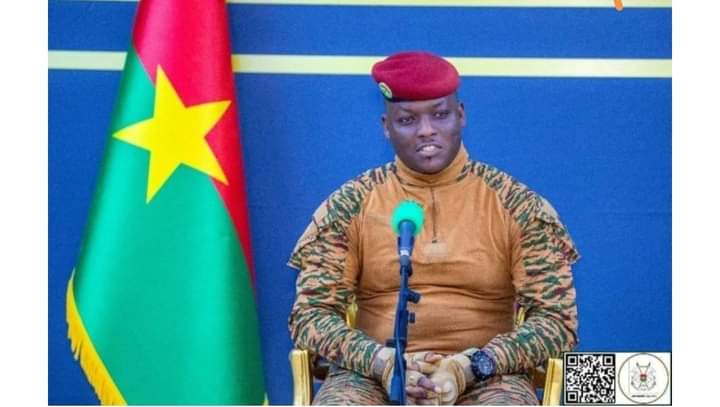
Burkina Faso’s Captain Ibrahim Traoré has set a clear goal for 2025: to reclaim the 30% of the nation’s territory that remains under terrorist control. His decisive leadership and strategic vision have reignited hope within Burkina Faso and drawn the attention of other African leaders who are grappling with their own security challenges. As Traoré’s campaign against terrorism gains momentum, global observers are calling on African leaders to take a page from his bold approach.
World commentator on African affairs, Marie Leduc, commended Traoré for his resilience in the face of adversity. “Traoré’s commitment to free every inch of his country is inspiring. It’s a clear message to other African nations facing similar challenges, that sovereignty and security are worth every effort,” she said. Leduc emphasized that his approach reflects a growing determination among African leaders to tackle insurgencies head-on, especially in regions like the Sahel, where terrorism continues to threaten stability.
Closer to home, Nigerian security expert, Dr. Ikenna Okoye, hailed Traoré’s focus on territorial integrity, urging Nigerian leaders to draw lessons from Burkina Faso’s experience. “Nigeria has been battling its own insurgency in the northeast for years. What Traoré shows us is that a unified national goal, backed by strong military strategies and a leadership that is willing to take risks, can lead to real progress. Nigerian leaders should study how Burkina Faso is coordinating its response across government, military, and communities,” Okoye noted.
Across the continent, political analyst Joseph Kanga from Kenya added, “Traoré’s success or failure could mark a turning point for African leadership. If he succeeds, it will embolden others to be more hands-on in solving security issues rather than relying on foreign interventions.” Kanga believes that Traoré’s homegrown strategies might reshape how African leaders think about security and governance, challenging the reliance on external aid.
Another notable figure, Yvette Mbongo, a commentator on Central African affairs, reflected on the growing shift in Africa toward strong, militarized responses to insurgencies. “While dialogue and diplomacy are crucial, Traoré understands that some situations demand direct military action. African leaders must recognize that maintaining peace is not just about talks, but also about taking back what has been lost. Traoré is setting that example,” Mbongo remarked.
Meanwhile, renowned South African commentator Thabo Mbeki Jr. suggested that Traoré’s campaign could strengthen regional cooperation within Africa. “The African Union and ECOWAS should rally behind Traoré. His success could inspire collective security frameworks that protect vulnerable regions from similar threats,” Mbeki Jr. argued, pointing to how a united African response might be more effective than isolated national efforts.
French-based African affairs journalist, Jacques Dupont, also weighed in, praising Traoré’s determination but cautioning that the international community must be ready to assist when necessary. “Burkina Faso cannot do this alone. Traoré’s leadership is crucial, but this fight will require resources, intelligence sharing, and possibly regional military cooperation. The world must take note and support Africa’s leaders in their fight against terrorism,” Dupont asserted.
As the countdown to 2025 begins, Traoré’s clear message that “Burkina Faso will be whole again” resonates not only within his nation but across the African continent. His boldness has already earned him a reputation as a trailblazer, sparking a conversation about how other African leaders might follow his lead, forging a new path in the fight against terrorism and the quest for national security. GMTNewsng