
Kenya fuel price hikes spark nationwide transport strike and protests, stranding commuters as petrol prices rise by up to 23.5% and deepen cost-of-living pressures.
Protests over Kenya fuel price hikes erupted in several towns on Monday, disrupting public transport and forcing thousands of commuters to walk to work after a nationwide strike by transport operators brought services to a halt.
The industrial action followed a directive by the Transport Sector Alliance ordering all member vehicles off the roads from midnight in protest against recent increases linked to Kenya fuel price hikes, with security agencies warning they would respond firmly to any breakdown of law and order.
The situation escalated after the Energy and Petroleum Regulatory Authority raised retail fuel prices by up to 23.5%, following an earlier 24.2% increase in April, with officials citing global supply pressures driven by geopolitical tensions affecting oil and gas markets.
By Monday morning, major roads leading into Nairobi were blocked as striking operators and scattered protest groups took to the streets, while police deployed tear gas in some areas and protesters burned tyres to restrict movement, worsening congestion and amplifying the impact of Kenya fuel price hikes on daily life.
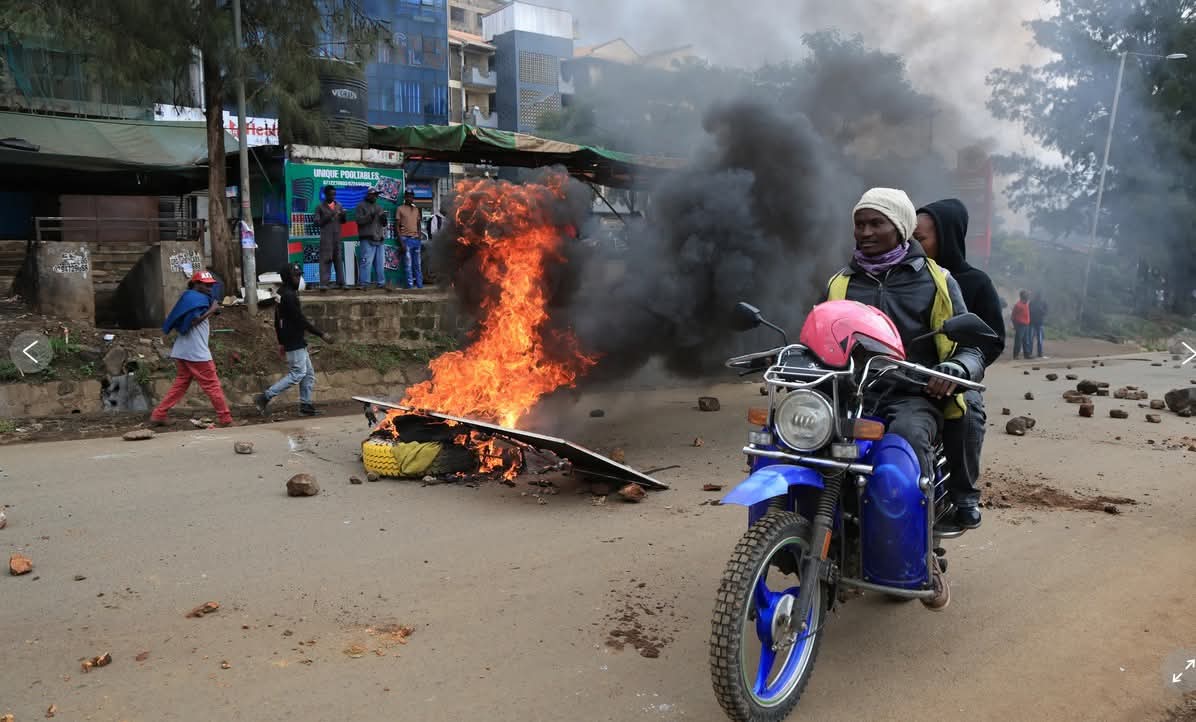
In Mombasa, the strike also raised fears of supply chain disruptions, given the city’s role as Kenya’s main port and logistics hub, further compounding concerns over the wider economic effects of Kenya fuel price hikes across the country.
Finance Minister John Mbadi said the government was preparing urgent talks with transport operators and energy stakeholders to find a resolution, noting that fuel prices already include subsidies intended to cushion consumers from global shocks.
Kenya continues to import nearly all its petroleum products from the Middle East through government-to-government arrangements, leaving domestic pricing highly exposed to external market volatility and intensifying the pressure from Kenya fuel price hikes on households and businesses.
The rising fuel costs have already pushed transport fares higher and increased the price of essential goods, with residents reporting sharp spikes in food prices and daily expenses as the burden of Kenya fuel price hikes continues to filter through the economy.
For the May 15 to June 14 pricing cycle, petrol in Nairobi increased to 214.25 Kenyan shillings per litre from 206.97, diesel rose to 242.92 shillings from 196.63, while kerosene remained unchanged at 152.78 shillings.
Visit GMTNewsng for more news stories.