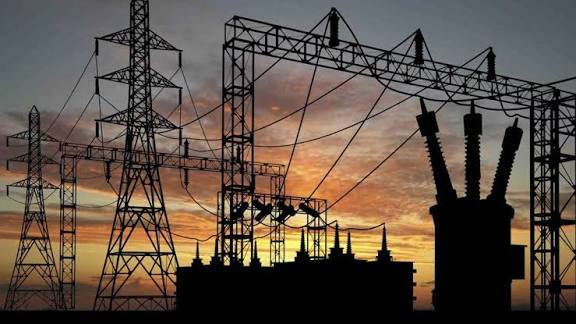
EEDC power supply declines in the South-East as gas shortages hit generation companies, forcing TCN to shed load and reduce energy allocation.
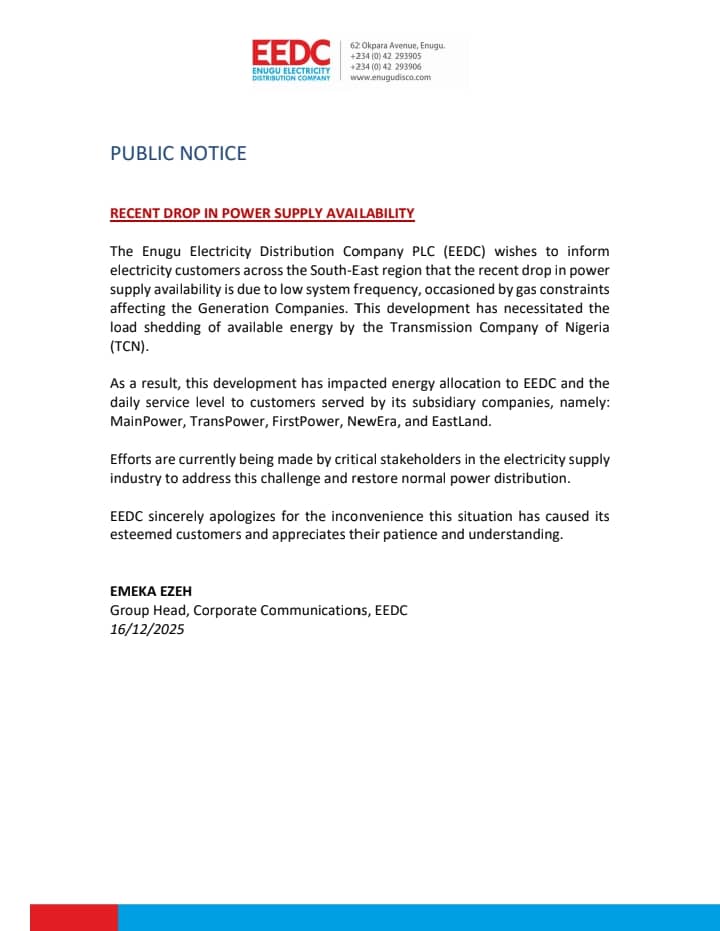
EEDC power supply across the South-East has declined in recent days due to gas constraints affecting electricity generation nationwide, the Enugu Electricity Distribution Company Plc has said.
In a public notice, EEDC explained that the reduced power availability resulted from low system frequency on the national grid, a condition triggered when available generation falls short of demand. To stabilise the grid and prevent a system collapse, the Transmission Company of Nigeria (TCN) was compelled to implement load shedding, leading to reduced energy allocation to distribution companies.
EEDC said the development has directly affected its daily service levels to customers across its franchise area. The impact, according to the company, is being felt by electricity consumers served through its subsidiary companies-MainPower, TransPower, FirstPower, NewEra, and EastLand-operating across the South-East region.
The electricity distributor stressed that the current supply shortfall is not due to faults within its distribution network but stems from upstream challenges in the electricity value chain. As a distribution company, EEDC noted that the volume of electricity it can supply to customers depends largely on energy received from the national grid.
Nigeria’s electricity sector relies heavily on gas-fired power plants, making it particularly vulnerable to disruptions in gas supply. Industry observers note that gas constraints-often caused by infrastructure limitations, payment issues, or pipeline disruptions-frequently result in nationwide reductions in electricity generation and grid instability.
EEDC stated that efforts are ongoing among key stakeholders in the power sector to address the gas supply challenges and improve generation output. These stakeholders include generation companies, gas suppliers, the Transmission Company of Nigeria, and other relevant industry institutions. The company expressed optimism that the interventions would help restore system stability and gradually improve power supply to customers.
While apologising for the inconvenience caused by the reduced service levels, EEDC appealed to customers for patience and understanding. It reiterated its commitment to providing reliable electricity within the limits of available supply and regulatory provisions.
The latest drop in power supply comes at a time of heightened public sensitivity to electricity service quality, particularly following recent tariff adjustments. Consumer groups have repeatedly argued that improved billing must be matched by more consistent power supply, while operators in the sector maintain that distribution performance remains tied to generation and transmission capacity.
EEDC assured customers that it would continue to communicate transparently on developments affecting power supply and provide updates as efforts to stabilise the national grid progress.
Visit GMTNewsng for more news stories.