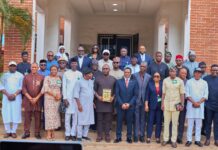
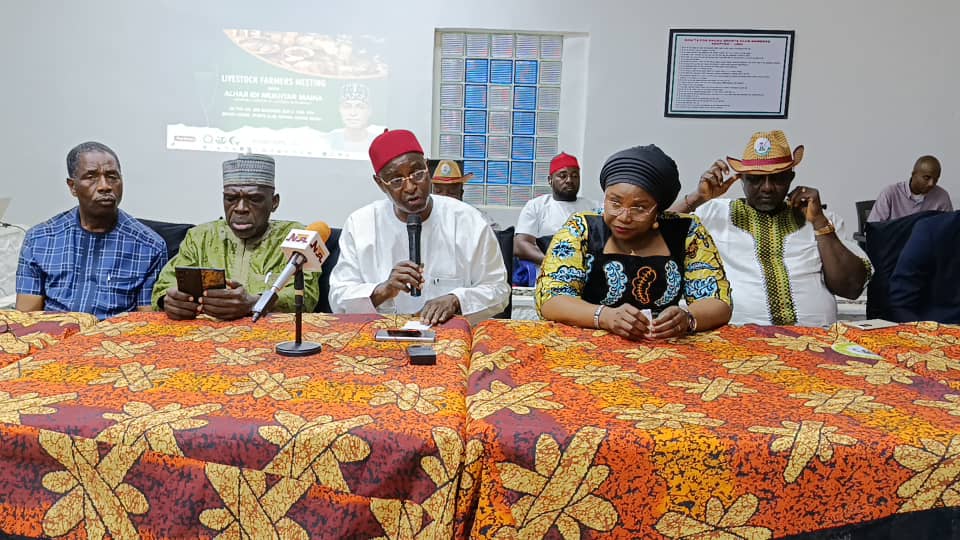
 R-L (front row): Mr. Patrick Ubru, Enugu State Commissioner for Agriculture; Permanent Secretary of the Ministry of Livestock Development Dr. Chinyere Ijeoma Akujobi; Minister of the Ministry of Livestock Development, Idi Mukhtar Maiha (in red cap), and others at the Enugu Sports Club.
Nigeria advances sweeping livestock reforms as FG, Enugu State, and industry stakeholders unveil strategic projects, modern ranching plans, and a $1.5bn blueprint to reduce milk imports and strengthen national food security.
Enugu | Monday, December 8, 2025
Livestock Modernisation Takes Centre Stage in Enugu
Livestock development dominated discussions in Enugu as the Federal Government, Enugu State Government, and key national stakeholders converged to inaugurate landmark projects and outline reforms aimed at modernising Nigeria’s livestock systems. The event drew senior government officials, industry leaders, pastoralist representatives, and farmers, creating what many described as one of the most candid dialogues on livestock transformation in recent times.
The interractive gathering at the Enugu Sports Club highlighted the urgency of addressing challenges in livestock management, the modernization of animal husbandry, and strategies for peaceful coexistence between herders and farmers. Stakeholders agreed that sustainable reforms would not only reduce Nigeria’s reliance on imported milk but also boost rural livelihoods, create jobs, and strengthen national food security.
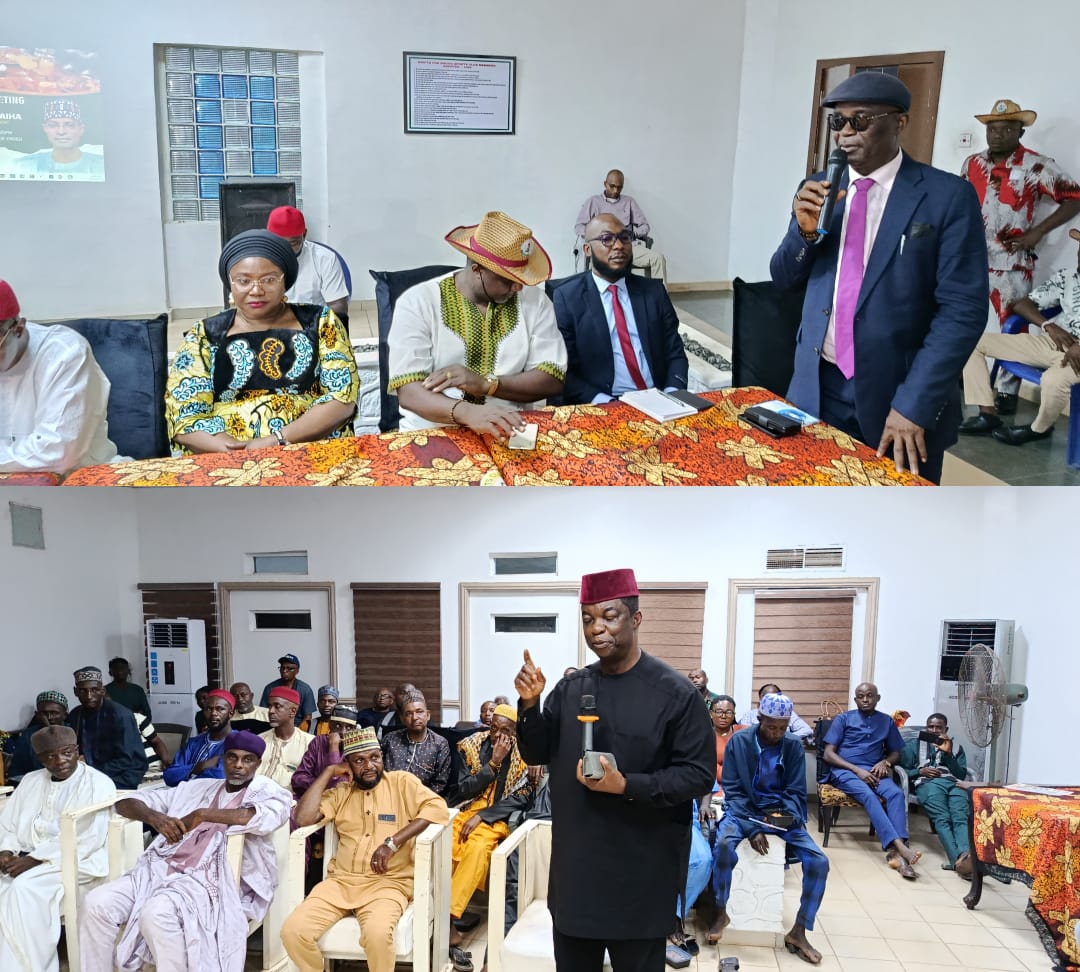 Top: Mr. Ifeanyi Nweke Esq., Chairman of Enugu Sports Club (est. 1929) presenting welcome remarks at the Sports Club. Bottom: Onyemuche Nnamani Esq., MD Agbani Farms, making some remarks at the gathering. (Photo credit: Chibuzo|GMTNewsng).
Enugu Launches Two Strategic Livestock Projects
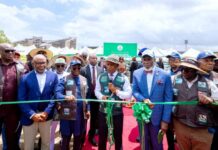
Earlier in the day, officials commissioned the Enugu State Integrated Livestock Development Center in Ubahu, Nkanu East LGA, and the L-PRES Model Veterinary Hospital in Akwuke, Enugu South LGA. Representing Governor Peter Mbah, the Deputy Governor Ifeanyi Ossai, Esq., described the projects as strategic investments in food security, rural development, and economic growth, not mere infrastructural additions.
The Integrated Livestock Development Center was positioned as a transformative hub for advanced livestock production, improved breeds, youth training, and modern sustainable farming systems. Ossai highlighted that the facility would expand opportunities for farmers, agripreneurs, and young Nigerians interested in modern livestock practices, ensuring that Enugu State becomes a model for livestock innovation across the Southeast.
L-PRES Hospital Raises the Standard for Animal Healthcare
The L-PRES Model Veterinary Hospital represents a new benchmark in animal health service delivery. Ossai explained that the facility is equipped to provide high-quality veterinary services, disease prevention programs, and essential support to boost livestock productivity.
 Top (standing): Friday Sani Nnaji, and Bottom (standing): Abubakar Yusuf Sambo II, Sarkin Hausawa Enugu State, making their respective remarks at the event.
He also commended President Bola Ahmed Tinubu, the Federal Ministry of Livestock Development, and development partners whose collaboration made the hospital a reality. Ossai emphasised that the hospital’s operations would strengthen animal health, reduce disease outbreaks, and enhance the profitability and resilience of Enugu’s livestock value chain.
Minister Outlines Nigeria’s Livestock Direction and Why the System Must Change
The Minister, Federal Ministry of Livestock Development, Idi Mukhtar Maiha delivered a comprehensive presentation on Nigeria’s new livestock roadmap. He clarified that the ministry oversees all farmable animals, including bees, rabbits, pigs, grasscutters, sheep, goats, horses, camels, donkeys, poultry, and cattle, and is committed to modernising their management using global best practices.
The minister emphasised responsible livestock management, explaining that animals should be stationary and properly fed to prevent encroachment on human livelihoods and reduce conflicts. He presented the economic dimension of the problem, noting that Nigeria spends $1.5 billion annually importing milk because local breeds cannot meet production demands. He stressed that adopting modern methods and structured ranching is critical to improving milk and meat outputs while maintaining harmony between pastoralists and farmers.
FG to Introduce Superior Global Cattle Genetics, Nigeria’s Red-meat Economy, and Reaffirm Commitment to Peace
 A cross-section of stakeholders at the gathering at Enugu Sports Club. (Photo credit: GMTNewsng)
To address production deficits, the Federal Government plans to introduce superior cattle genetics from Brazil, Denmark, and France. These breeds can produce up to forty litres of milk daily and reach 600 kilograms in 30 months, outperforming local breeds even at four years. The minister underscored that stationary management systems are required for these genetics to thrive.
He also outlined Nigeria’s $3.2 billion red-meat industry potential, highlighting new modern abattoirs with cold-room storage and strict hygiene standards to facilitate export readiness. Further, he announced 117 grazing reserves nationwide and praised state governors, including Governor Mbah, for providing land to promote ranching. The minister concluded by reaffirming the Federal Government’s commitment to support livestock farmers and foster peaceful coexistence across states.
Ngelzarma, Siddiki, and Sambo Call for Pastoralist Integration and Raise Fresh Concerns
The National Chairman of MACBAN, Baba Usman Ngelzarma, urged the Federal Government to ensure national coordination and continuous engagement with pastoral communities. He commended President Tinubu’s creation of the Ministry of Livestock Development, noting it marked the first time Nigeria had established a ministry tailored for both pastoralists and commercial livestock farmers. Ngelzarma emphasised that pastoralists require access to support programmes, modern knowledge, conflict-resolution mechanisms, and economic incentives to make ranching viable.
Gidado Siddiki, Sarkin Fulani Awka and Deputy Director General of MACBAN, reinforced Ngelzarma’s points, praising Governor Mbah for his ongoing support to the livestock sector. Siddiki highlighted the loss of nearly 65 percent of herds in the Southeast due to rustling and stressed the need for sensitisation committees, training programmes, and financial and infrastructural support to transition pastoralists into modern ranching. Abubakar Yusuf Sambo II, speaking in dual capacities as Senior Special Assistant to the Governor and northern community leader, emphasised ranching’s role in reducing farmer-herder conflicts and called for federal support to establish ranches in Enugu.
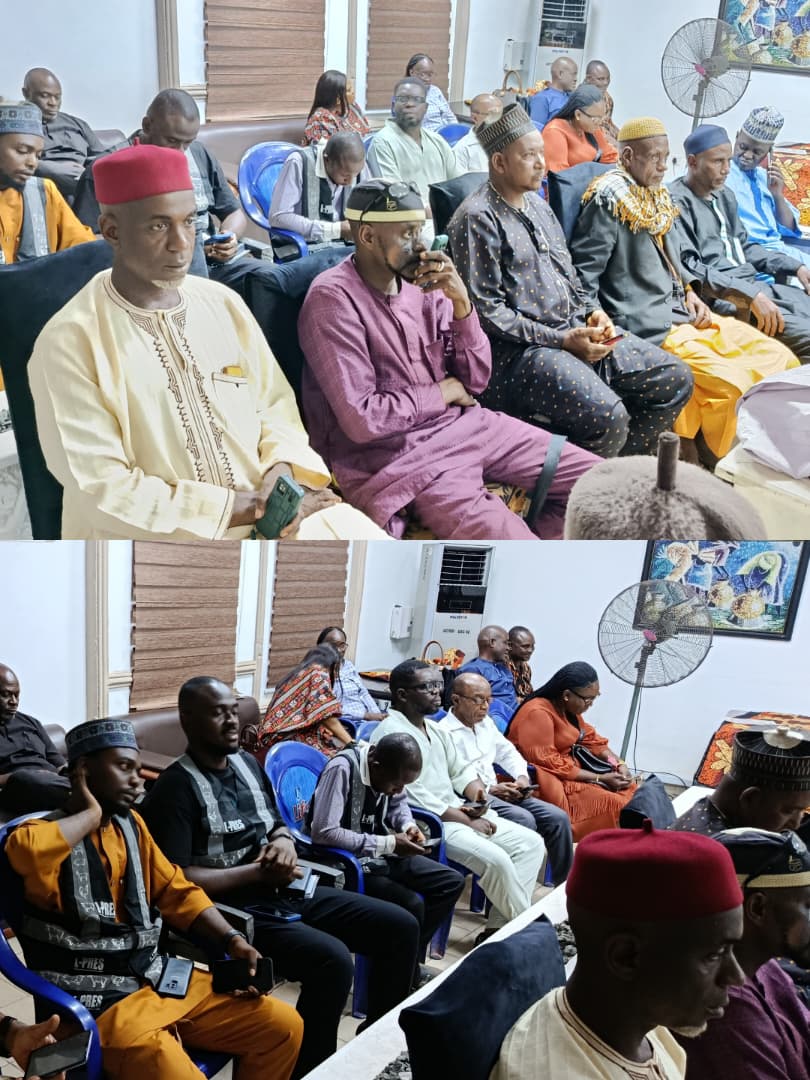 A cross-section of farmers and herders at the meeting with the Minister of Livestock Development. (Photo credit: Chibuzo | GMTNewsng).
Farmers and Associations Add Their Voices; Sambo Confirms Government Steps
A poultry farmer applauded the Federal Government for reducing maize and soybean prices, which has lowered feed costs, but requested the provision of avian influenza treatment equipment closer to farming communities. Pig farmers also welcomed the minister’s attention, noting the threat of African Swine Fever and calling for inclusion in federal support programmes.
The Special Assistant to Enugu State Governor on Special Duties Sambo who is the Sarkin Hausawa Enugu State, confirmed that the state government had addressed a recent herder-related incident and had engaged stakeholders to maintain peace. Renowned farmer Alhaji Friday Sani Nnaji highlighted challenges arising from cattle movement through his 15,000-hectare farm, advocating for defined pathways and ranching zones to reduce crop destruction and enhance orderly livestock management.
Permanent Secretary Addresses Disease Control Concerns
The Permanent Secretary of the Ministry of Livestock Development Dr. Chinyere Ijeoma Akujobi addressed concerns about disease management, particularly Highly Pathogenic Avian Influenza and African Swine Fever. She announced plans to decentralise diagnostic testing to institutions such as the Veterinary Teaching Hospital in Nsukka while reiterating strict biosecurity protocols and the national no-vaccination policy for these diseases.
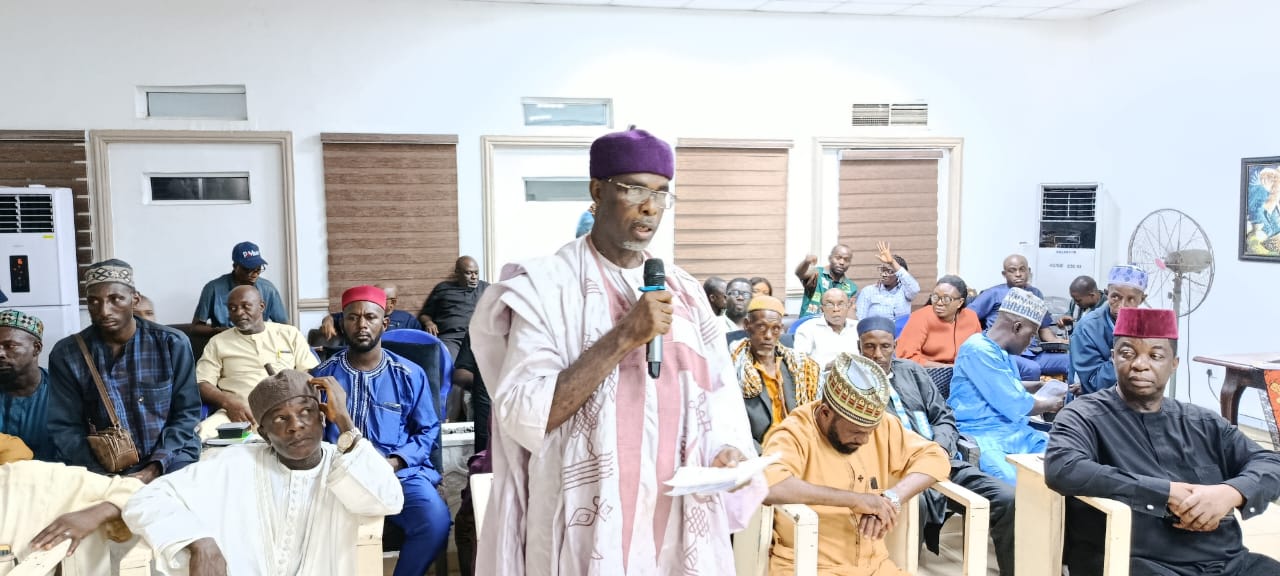 Gidado Siddiki, Sarkin Fulani Awka and Deputy Director General of MACBAN making his remarks at the Enugu Sports Club.
She further instructed veterinarians to avoid moving between farms after inspecting suspected cases, underlining the importance of preventing disease transmission. Her remarks reassured stakeholders of the ministry’s commitment to animal health and the sustainability of livestock development interventions.
Sports Club Welcomes Delegates to Historic Enugu Institution and Renewed Optimism Across Stakeholders
In a lighter, social moment, Ifeanyi Nweke, Esq., Chairman of the Enugu Sports Club, welcomed delegates to the institution established in 1929. He highlighted the club as a hub where leaders gather to socialise, collaborate, and exchange ideas while supporting community development.
The event concluded with renewed optimism and strong federal-state collaboration, with all stakeholders expressing confidence that Nigeria’s livestock sector, if properly modernised and coordinated, can achieve food security, economic growth, and lasting peace. Delegates left the venue encouraged by the progressive policies and practical solutions outlined during the landmark gathering.
 R-L (standing): Abubakar Yusuf Sambo II, Special Assistant to Enugu State Governor on Special Duties; Renowned farmer Friday Sani Nnaji; and and Chijioke Ogbodo, Managing Partner of GMTNewsng.com – exchange pleasantries at the Enugu Sports Club. (Photo credit: Chibuzo | GMTNewsng)
Visit GMTNewsng for more news stories.