The Enugu State Government has reaffirmed the success of its ongoing Enugu IGR digitisation reforms, highlighting how strengthened coordination among MDAs, expanded tax coverage, and the elimination of cash collections have significantly boosted transparency and revenue performance. At a high-level strategy retreat, officials outlined the gains of unified digital systems, enhanced monitoring tools, anti-leakage measures, and ESIRS’ central role in driving compliance across all revenue streams. With real-time dashboards, performance scorecards, and a harmonised reporting structure, the state is positioning itself for a fully modernised, leak-proof, and citizen-focused revenue architecture ahead of the 2026 rollout.

Enugu IGR digitisation continues to drive significant revenue growth as the Enugu State Government strengthens the synergy among revenue agencies, MDAs, and digital system managers. The government said reforms in digital revenue collection, leakages control, and expanded tax coverage have elevated the state’s Internally Generated Revenue (IGR) to unprecedented levels.
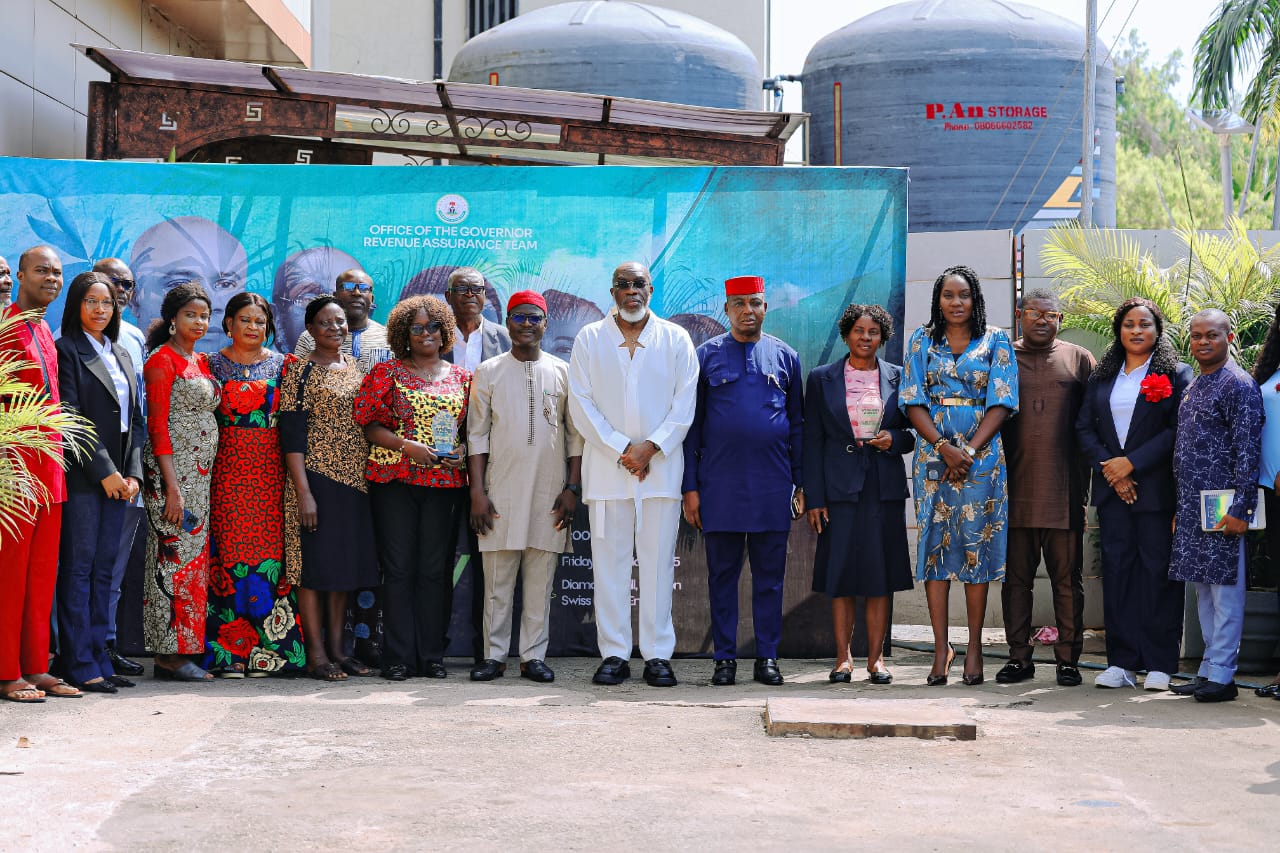
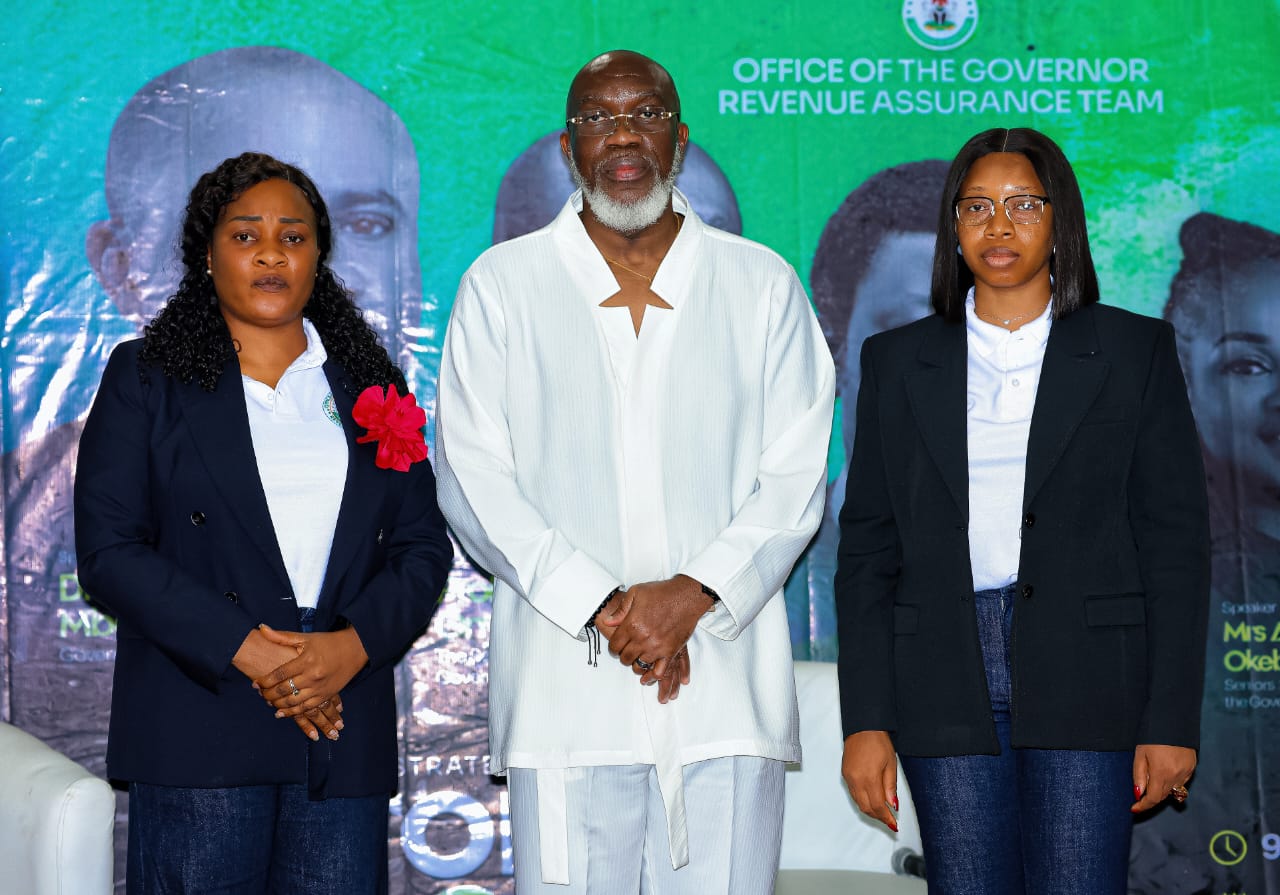
The Secretary to the State Government, Prof. Chidiebere Onyia, disclosed this at the high-level strategy retreat themed “From Silos to Synergy: Achieving Unified Revenue Targets Through Coordination and Accountability.” The event, organised by the Governor’s Revenue Assurance Team, reviewed progress on unified revenue reforms and the accelerating impact of the Enugu IGR digitisation framework.
Prof. Onyia explained that the abolition of cash collections across MDAs remains one of the administration’s boldest steps. He said the digital overhaul has improved transparency, reduced leakages, enabled real-time monitoring, and strengthened anti-corruption enforcement – key foundations of the Enugu IGR digitisation push.
He added that MDAs now operate on quarterly and annual targets with public scorecards, backed by digital dashboards that track payments and performance. Several diversion cases have also been prosecuted through strengthened enforcement and whistleblower mechanisms.
“All payments are now routed through digital platforms under our Enugu IGR digitisation plan, allowing real-time visibility and drastically limiting opportunities for fraud. Public confidence in our system has improved significantly,” he said.
To reinforce accountability, the government introduced a Performance Appraisal Framework that assigns each MDA clear revenue obligations aligned with their mandate. Prof. Onyia also stressed that project tracking is now digital, enabling citizens to see exactly how revenue funds development across the state.
“Revenue is not only fiscal; it is moral. Every naira we collect under the Enugu IGR digitisation system must show in better infrastructure, improved services, and a progressive future,” he reiterated.
The Executive Chairman of the Enugu State Internal Revenue Service (ESIRS), Mr. Ekene Nnamani, provided a detailed overview of ESIRS’ central role in driving the digital reforms. He outlined gains from streamlined tax administration, unified reporting channels, automated compliance systems, and enhanced inter-agency coordination. Nnamani noted that ESIRS has already begun sensitisation campaigns ahead of the 2026 tax law rollout to ensure a smooth transition for citizens.
Also speaking, Senior Special Assistant on Revenue Mobilisation, Mrs. Adenike Okebu, highlighted that about 20 per cent of MDAs account for 80 per cent of IGR. She called for full migration to the Central Revenue Management System (CRMS), stressing that manual processes and fragmented data structures undermine the broader Enugu IGR digitisation objectives. Her 2026 roadmap includes compulsory CRMS adoption, monthly revenue clinics, real-time dashboards, continuous training, and performance-linked incentives.
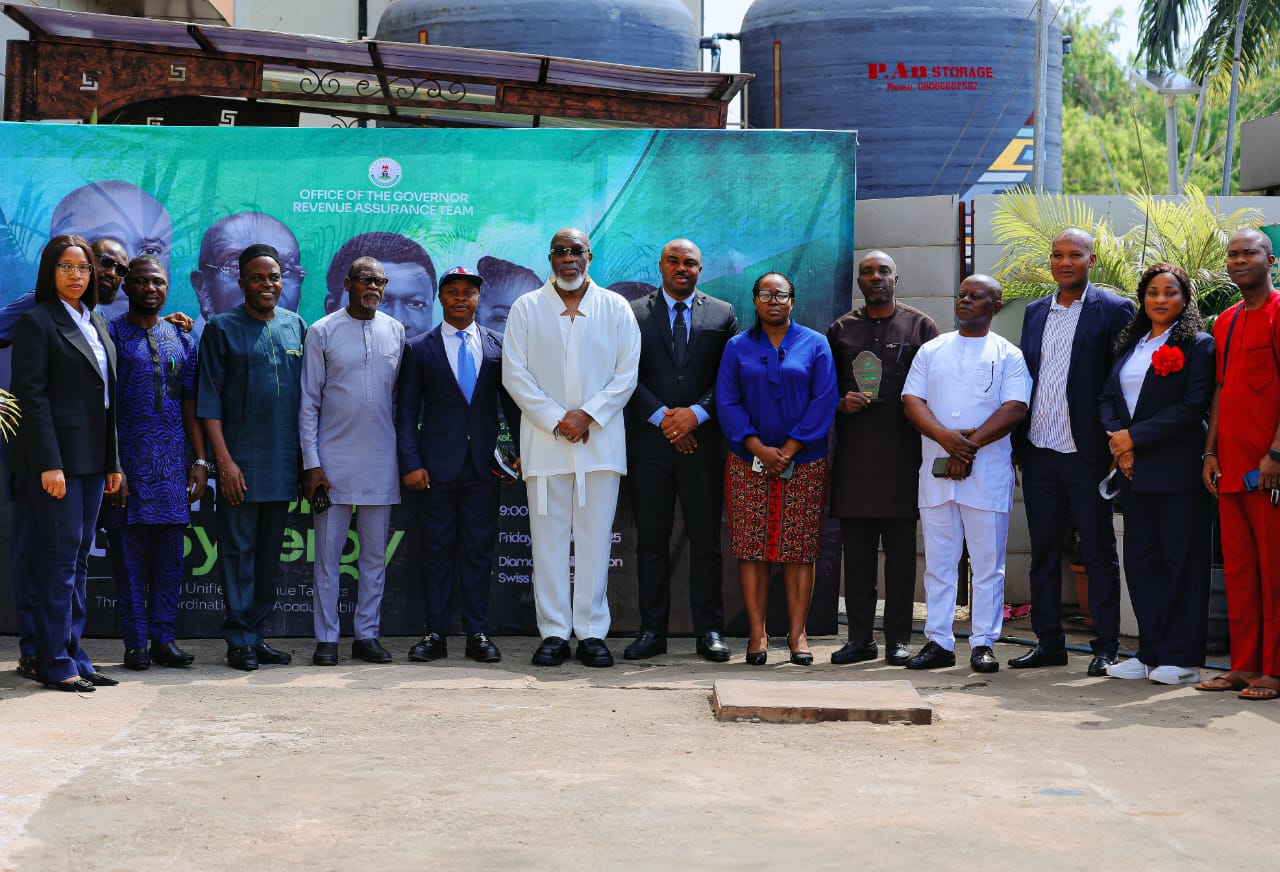
A panel session led by the Special Assistant to the Governor on Revenue Generation, Mrs. Sandra George, examined gaps in digital integration, harmonised reporting, predictive analytics, and transparency. The session reinforced the administration’s drive toward a fully unified digital revenue architecture in 2026.
Participants concluded the retreat with a commitment to deepen cooperation, strengthen digital infrastructure, and advance Governor Peter Mbah’s vision for a modern, leak-proof, and citizen-driven revenue system powered by Enugu IGR digitisation – with ESIRS positioned as a critical operational anchor under the government’s policy direction.
Visit GMTNewsng for more news stories.