…Says Federal Government engaging global partners to avert U.S. sanctions, boost investor confidence
Abuja, Nigeria – President Bola Ahmed Tinubu has reaffirmed his administration’s commitment to sustaining economic growth, strengthening national security, and advancing Nigeria diplomacy through strategic global engagements aimed at stabilizing relations and protecting the nation’s international interests.
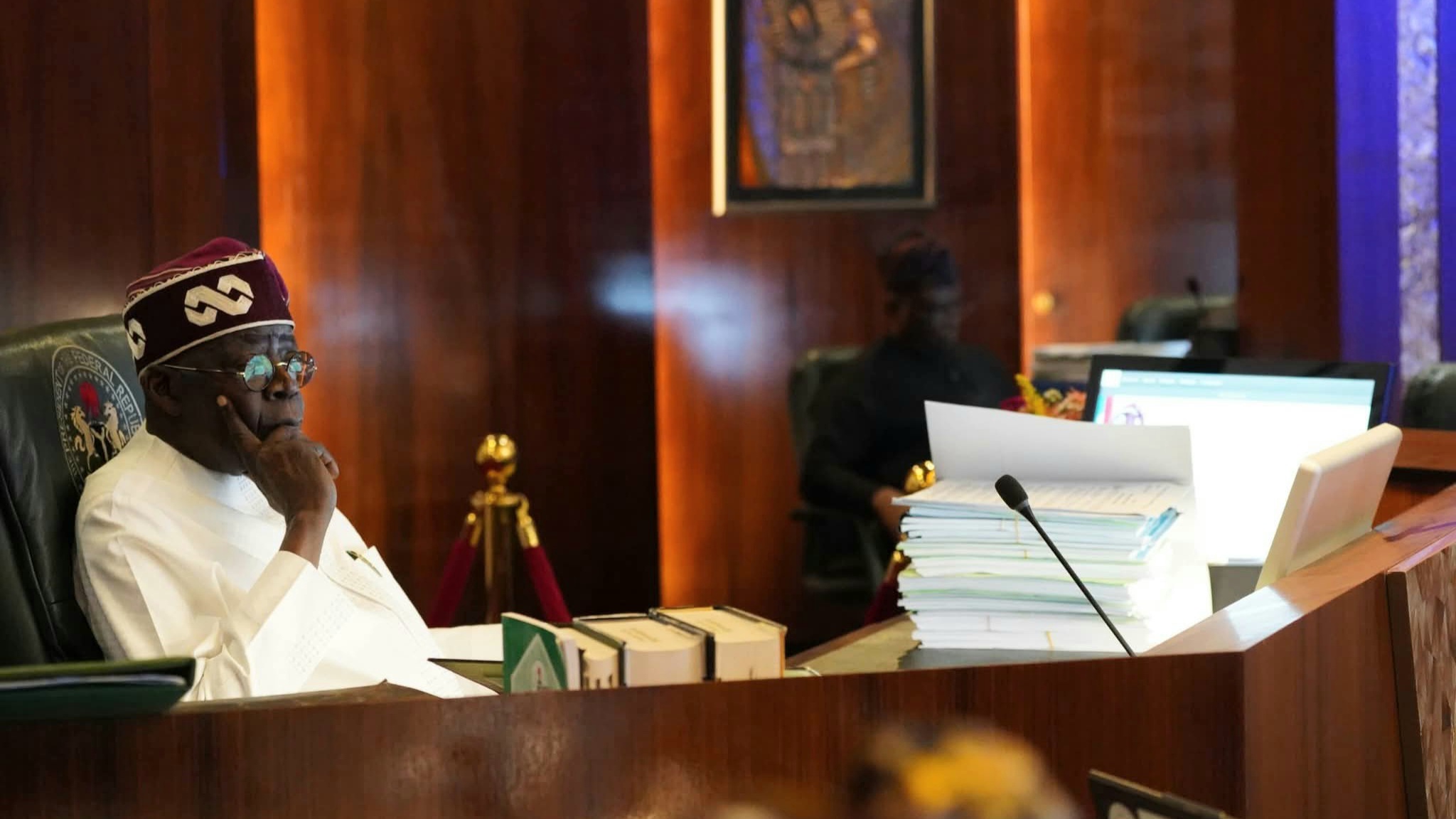
Speaking at the meeting of the Federal Executive Council (FEC) following the swearing-in of two new ministers – Dr. Bernard Mohammed Doro (Humanitarian Affairs and Poverty Reduction) and Dr. Kingsley Tochukwu Udeh, SAN (Innovation, Science and Technology) – the President said Nigeria is on a “steady growth trajectory” despite global uncertainties and that Nigeria diplomacy is the front burner.
He noted that his government is “engaging the world diplomatically” to ensure that the country remains in good standing with international partners, particularly the United States, as Nigeria intensifies efforts to defeat terrorism and sustain reforms that promote investor confidence.
“The most important thing is that despite political headwinds and fears among our people, we will continue to engage with partners,” Tinubu said. “The success of the $2.3 billion Eurobond, oversubscribed by 400%, is very assuring. We are engaging the world diplomatically, and we will defeat terrorism in this country.”
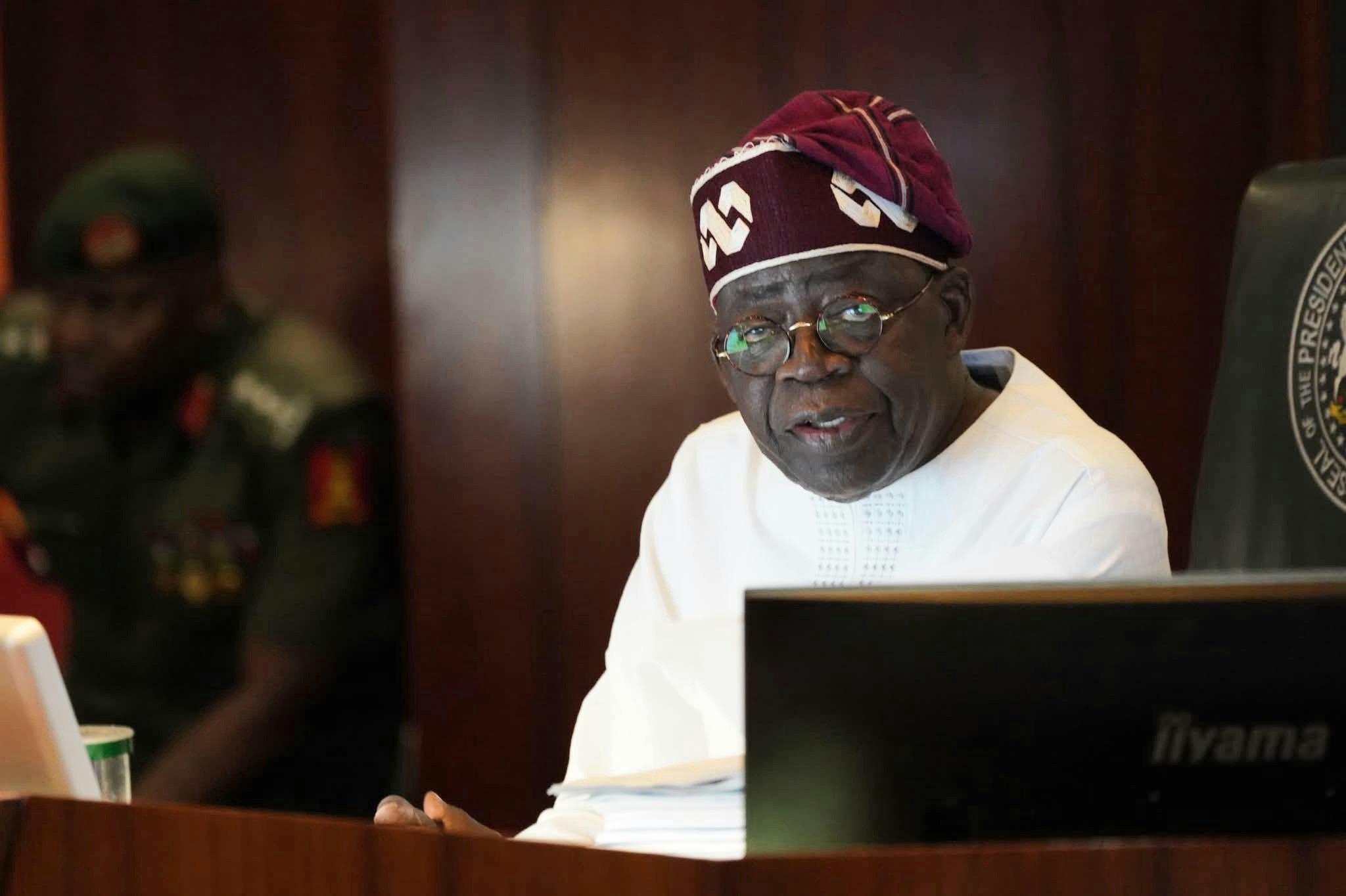
President Tinubu assured that Nigeria’s Renewed Hope Agenda will continue to be guided by unity, inclusivity, and purpose. “The task ahead is immense, but we are resolute. We will move forward with unity and purpose to build a prosperous, inclusive, and resilient Nigeria,” he said.
Sustaining Growth Through Economic Reforms – Nigeria Diplomacy
The President directed the Minister of Finance and Coordinating Minister of the Economy, Wale Edun, to brief the Council on the state of the economy. Edun reported strong macroeconomic recovery, with Nigeria’s GDP growing by 4.23% in Q2 2025, the highest in a decade outside the COVID-19 rebound.
He added that 13 sectors recorded growth above 7%, up from nine in the previous quarter, while the industrial sector nearly doubled its performance from 3.72% to 7.45%. Inflation dropped to 18.02%, foreign reserves rose above $43 billion, and trade surplus reached ₦7.4 trillion.
“The reforms under the Renewed Hope Agenda – bold and sometimes unpopular – are rooted in the clear objective of building a competitive economy that attracts investment, creates jobs, and lifts millions out of poverty,” Edun said.
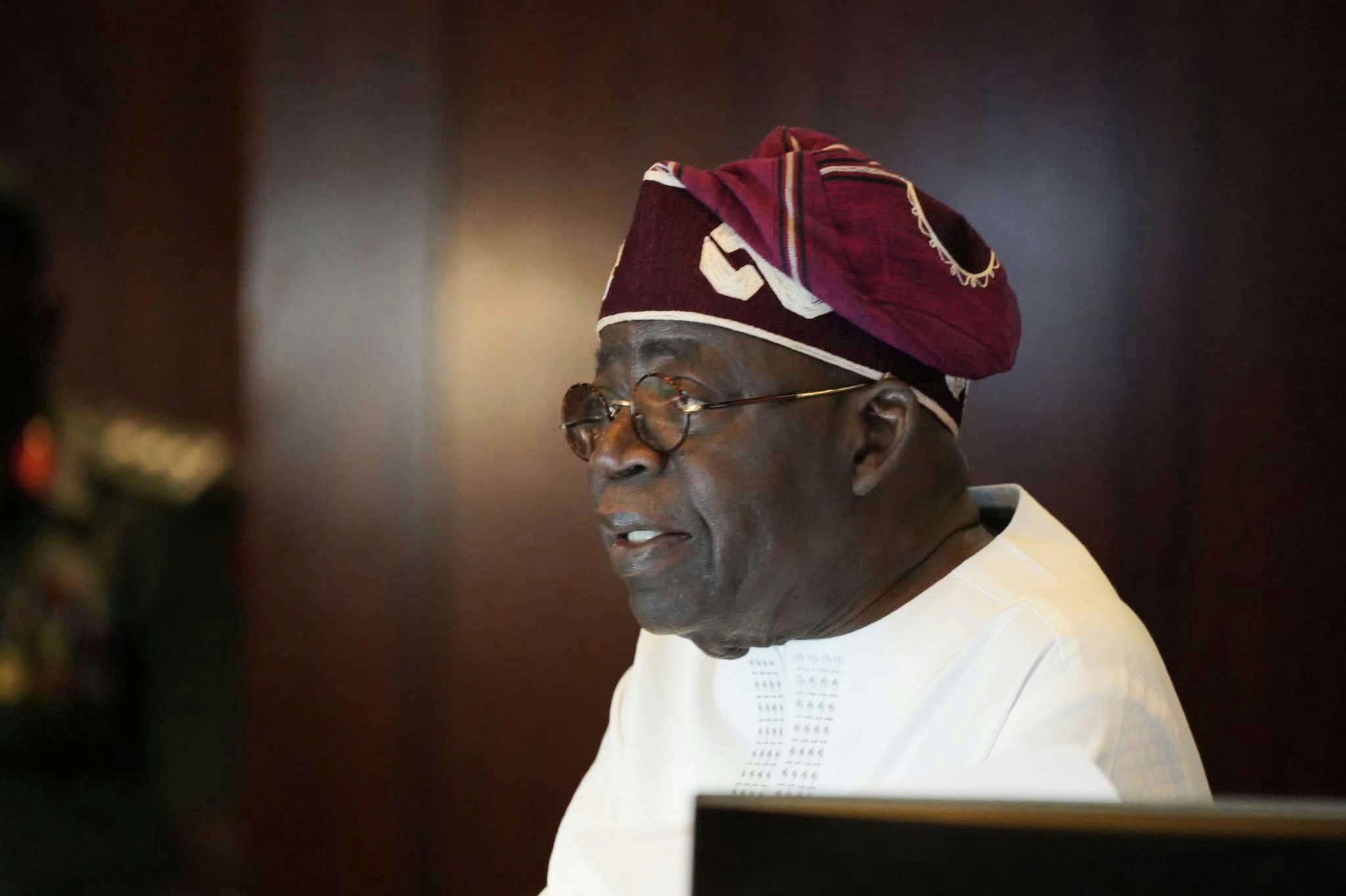
He emphasized that the removal of Nigeria from the Financial Action Task Force (FATF) Grey List marked a major milestone in restoring international confidence. He further revealed that global institutions, including the IMF and World Bank, had commended Nigeria’s progress, revising the country’s growth forecast upward to nearly 4%.
Strengthening Nigeria Diplomacy and Investor Relations
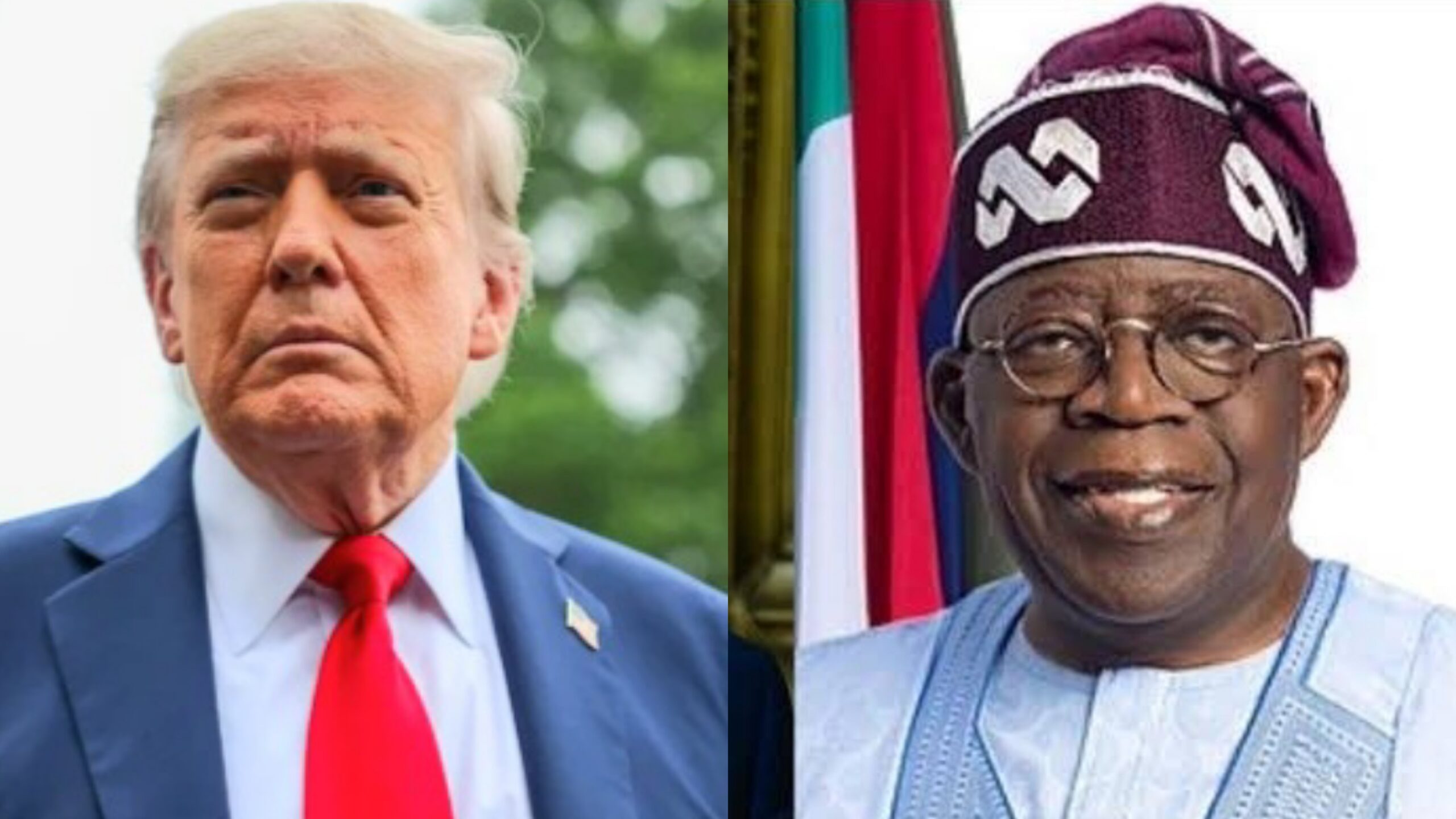
President Tinubu underscored that Nigeria diplomacy is central to his administration’s strategy to avert external pressure and foster constructive relations with allies. He reassured citizens that Nigeria will overcome any political or economic designation that threatens its global image, referencing recent concerns about the U.S. terrorism-related watchlist designations.
“Do we have problems? Yes. Are we challenged by terrorism? Yes. But we will defeat terrorism and overcome the CPC designation,” Tinubu declared. “Nigeria is one family, and we will spare no effort until we eliminate all criminals from our society.”
He urged ministers and government officials to maintain message consistency to ensure clarity in Nigeria’s diplomatic communication, adding that strategic engagement will help sustain goodwill across nations.
Mobilising Resources for a $1 Trillion Economy
As Nigeria diplomacy intensifies, Edun also emphasized the administration’s ambition to achieve a $1 trillion economy by 2030, through 7% annual growth and structural reforms across key sectors. He called for increased collaboration between federal and sub-national governments to attract investment into infrastructure, agriculture, education, health, and the blue economy.
“Every Naira must be optimised to sustain momentum amid global liquidity constraints,” he said. “Where there is less funding from multilateral institutions, we must rely on our own resources. The next phase of reforms will remove barriers holding back investors.”
He highlighted the recent $2.35 billion Eurobond issuance, with a record $13 billion order book, as evidence of strong investor confidence in Nigeria diplomacy and economic reforms.
“Despite the political headwinds, the market focused on Nigeria’s economic fundamentals,” Edun stated.

Nigeria Diplomacy – A Commitment to National Renewal
President Tinubu concluded the session by assuring Nigerians that the administration would not succumb to despair but remain steadfast in building a prosperous and secure nation. “We want our friends to help us as we step up our fight against terrorism, and we will eliminate it,” he reiterated.
In a statement issued by Bayo Onanuga, Special Adviser to the President on Information and Strategy, the Presidency reaffirmed that Nigeria diplomacy remains vital to protecting national interests and fostering global cooperation for sustainable development.
Visit GMTNewsng for more exciting news stories.