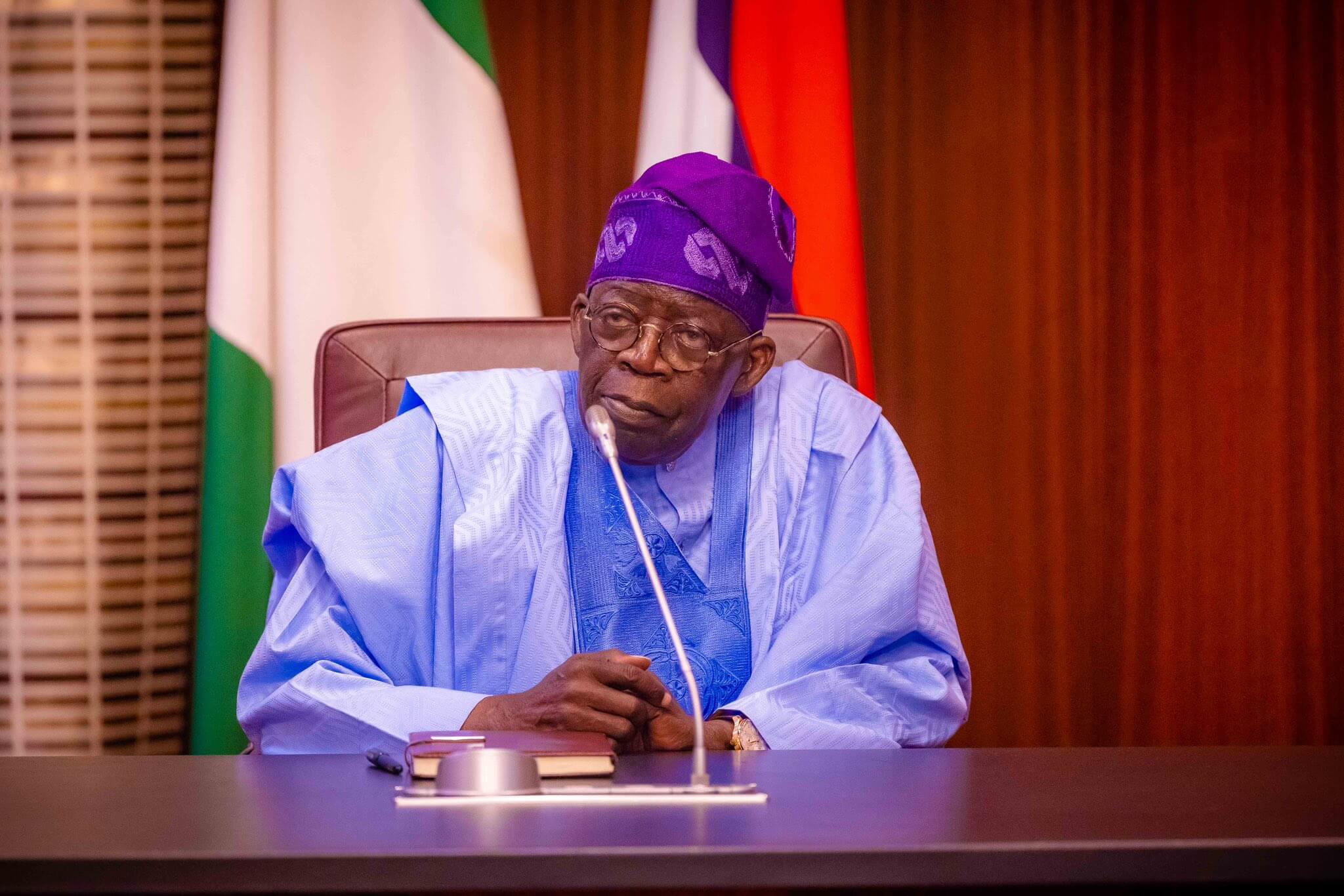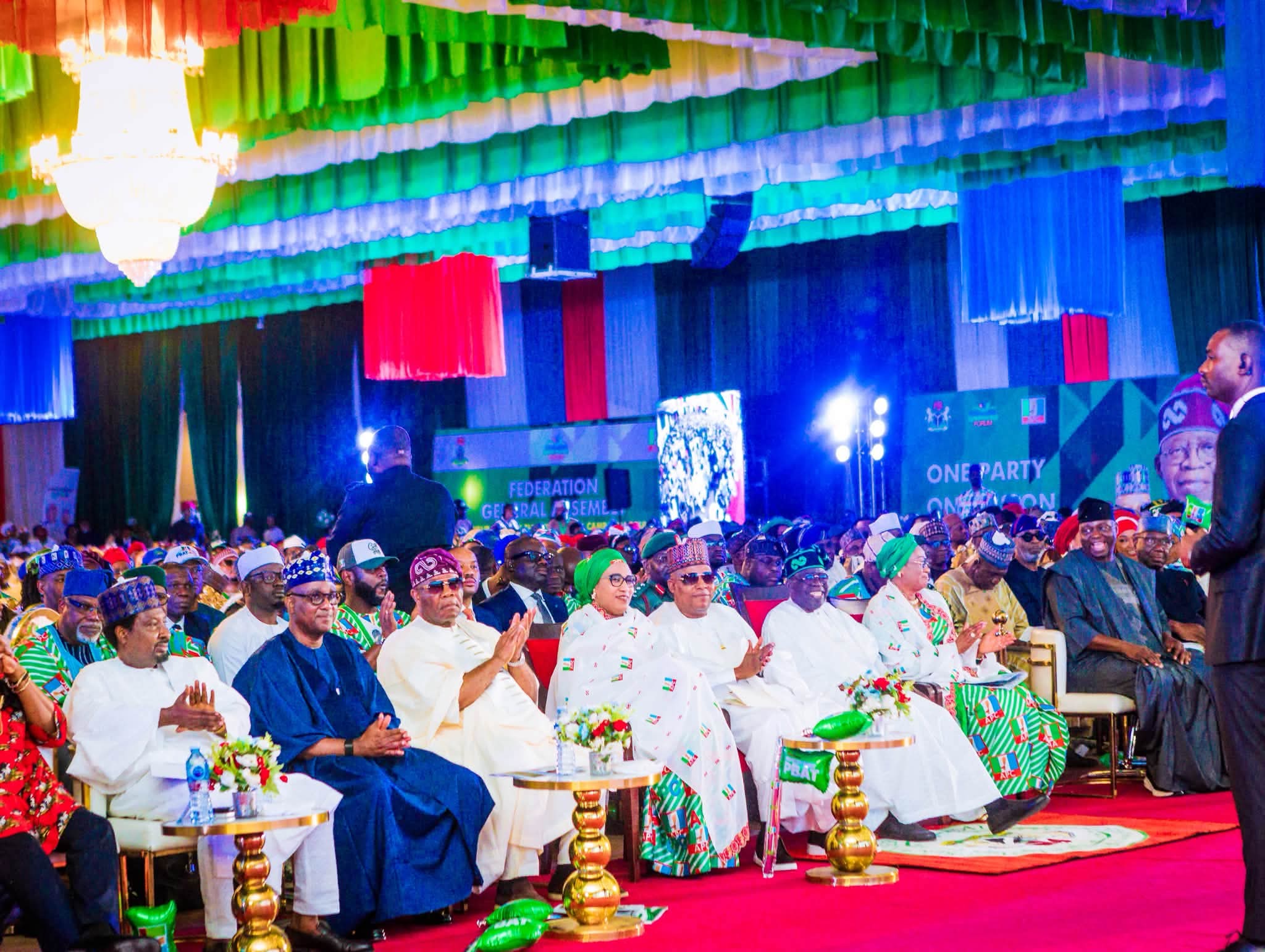
Presidential aide Fredrick Nwabufo has outlined five key takeaways from the APC Presidential Campaign Council inauguration, focusing on political consensus, campaign discipline, governance, women and youth.
Fredrick Nwabufo, Senior Special Assistant to President Bola Tinubu on Public Engagement, has identified five major themes from the inauguration of the All Progressives Congress (APC) Presidential Campaign Council, highlighting political cooperation, campaign discipline, continuity in governance, women’s participation and youth development.
In his opinion article titled “Takeaways From the APC Presidential Campaign Inauguration,” Nwabufo reflected on the October 14 event in Abuja, where Tinubu inaugurated the council ahead of the 2027 presidential election.
He argued that the presence of politicians from different political parties at the event reflected a broader political consensus around Tinubu’s re-election bid.
1. Political Consensus
Nwabufo described the participation of political figures outside the APC as an indication of what he called an expansive approach to leadership, one that brings together people across party lines.
He cited Anambra State Governor Chukwuma Soludo’s remarks at the inauguration, which he interpreted as evidence of an unusual level of agreement among political leaders on the country’s future.
The article also referenced the participation of FCT Minister Nyesom Wike and Osun State Governor Ademola Adeleke, who belong to political parties other than the APC.
Nwabufo argued that the development demonstrated the possibility of cooperation across party boundaries. His description of the gathering as a broad national consensus, however, represents his political assessment rather than an independently established position shared by all Nigerians.
2. Campaign Discipline
The presidential aide identified disciplined political communication as another key theme of the inauguration.
He highlighted APC National Chairman Professor Nentawe Yilwatda’s call for the forthcoming election to focus on ideas, records and policies and to be conducted peacefully and respectfully.
Nwabufo maintained that political campaigns should prioritise substantive policy discussions instead of hostile rhetoric, arguing that public debate should be guided by ideas.
The emphasis on peaceful campaigning comes as political parties organise their structures and prepare for the 2027 general election.
3. Continuity In Governance
Nwabufo also argued that campaign activities should not disrupt the government’s ongoing responsibilities.
He noted that election periods in Nigeria have sometimes been accompanied by concerns about reduced attention to governance, but maintained that political mobilisation and the delivery of public services should proceed simultaneously.
According to him, Tinubu’s administration should continue implementing its programmes and addressing citizens’ needs while preparing for the election.
Nwabufo described this approach as a responsibility of leadership, stressing that the government’s obligation to the public should remain in place throughout the campaign period.
4. Women In Political Mobilisation
The fourth takeaway focused on women’s participation in politics and the administration’s stated commitment to their welfare.
Nwabufo referenced the Renewed Hope Initiative, led by First Lady Oluremi Tinubu, as well as the Nigeria for Women Programme Scale-Up, which supports women’s economic empowerment.
He also highlighted Tinubu’s pledge at the inauguration to support the Reserved Seats for Women Bill, which seeks to expand women’s representation in legislative institutions.
The presidential aide described women as an important part of the campaign’s mobilisation strategy and pointed to their participation in economic empowerment and agricultural support programmes.
His article presented these initiatives as evidence of the administration’s attention to women’s welfare and political participation.
5. Youth As Partners In National Development
Nwabufo’s final takeaway concerned the role of young Nigerians in shaping the country’s future.
He recalled Tinubu’s remarks about the Shaping the Future Together Colloquium, organised by his son, Seyi Tinubu, and quoted the President as encouraging young people to listen to experienced Nigerians and contribute to nation-building.
The article also referenced comments by Imo State Governor Hope Uzodimma and House of Representatives Speaker Tajudeen Abbas on the implications of current reforms for present and future generations.
Nwabufo argued that youth participation should remain central to national development, rather than being limited to election campaigns.
The five themes outlined in his article provide his interpretation of the APC campaign council’s inauguration and the priorities he believes should guide the party’s preparations for the 2027 election.
Visit GMTNewsng for more news stories.