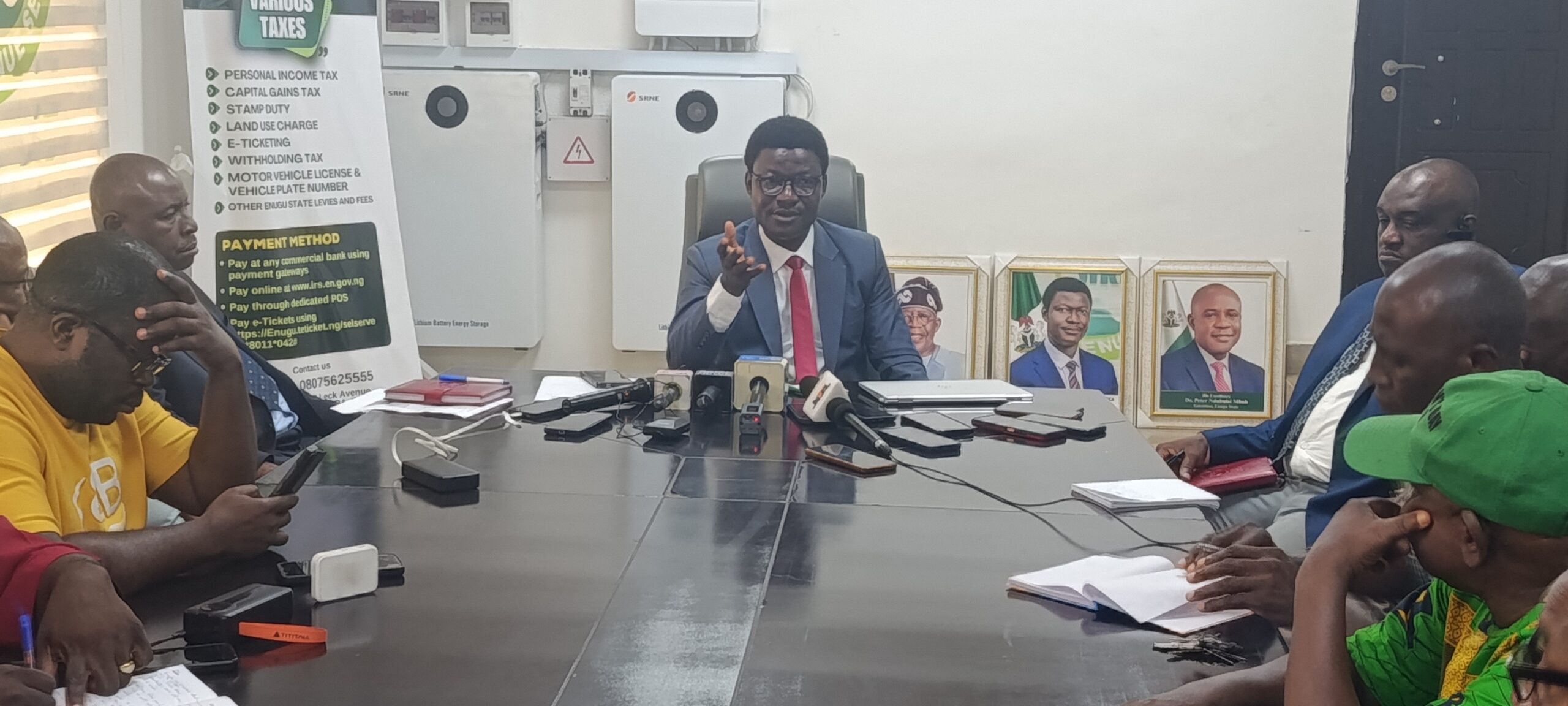
Revenue reforms at ESIRS have transformed Enugu’s tax administration, expanded digital payments and helped strengthen the state’s capacity to fund infrastructure and public services.
Three years after Emmanuel Ekene Nnamani assumed office as Executive Chairman of the Enugu State Internal Revenue Service (ESIRS), the agency is marking the milestone with a story that goes beyond revenue figures: a push to make taxation more digital, transparent and connected to the development needs of ordinary people.
At the heart of the reforms is the Enugu State Internal Revenue Service Establishment and Consolidated Revenue Law 2025, which strengthened ESIRS’ autonomy and established it as the state’s central revenue collection agency. The reform also introduced technical qualification requirements, pension provisions and private-sector-oriented training for staff.
Nnamani said the agency had also rebuilt its collection system, replacing the former single-gateway arrangement with the “Knowledge” core platform and connecting collections to Remita, eTransact, Flutterwave, Moniepoint, 9th Swift and UPS. More than 300 POS terminals have been deployed in hospitals, courts and other government facilities, while cash collection has been banned in favour of digital payments.
The digital approach has extended to traders, transporters and artisans through e-ticketing, which sends electronic receipts by SMS and is designed to curb unauthorised collections. For taxpayers, the system offers a clearer trail of payments, while for government it creates a more direct route for revenue to reach the public purse.
Taxpayers and small businesses: The expansion of e-ticketing and approved digital payment channels is particularly relevant to people who previously had to navigate cash-based collection systems. The reform, as presented by ESIRS, is intended to make payment more traceable and reduce opportunities for unofficial collections without placing the burden of compliance solely on the taxpayer.
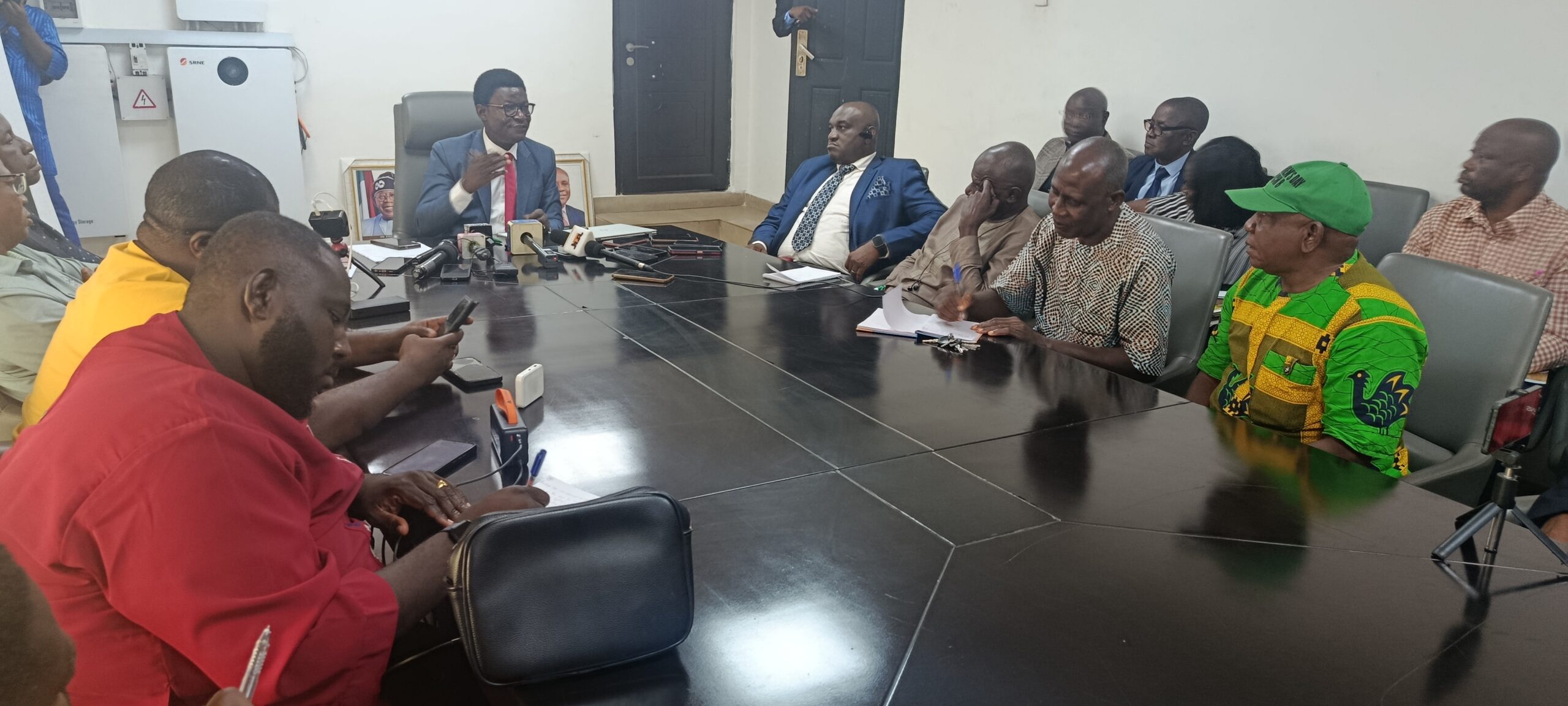
The latest phase is the Property Enumeration App, which digitally maps buildings across Enugu State, records property addresses and ownership or management details, and assigns each property a unique Property ID. Enumerators, including students and other citizens, are being engaged in the exercise, with cash payment made per property duly captured and verified.
Communities and property stakeholders: The property database has significance beyond taxation. By creating a central record of buildings and their locations, the exercise can provide government with a clearer picture of the physical development of communities and support more informed property assessment, planning and revenue administration.
Nnamani said the agency had also reviewed the Land Use Charge regime, reducing annual rates for several categories of residential properties. Charges range from up to ₦70,000 in high-income areas such as Independence Layout to lower assessments in places such as Abakpa and Emene, while modern homes in rural communities are assessed at ₦10,000 and traditional mud houses are exempt.
He maintained that the reforms were not simply about collecting more money but about creating a system in which taxpayers understand their obligations and can make payments through approved channels. ESIRS has consequently intensified compliance measures in real estate and informal sectors, including applicable capital gains obligations, the Economic Development Levy for new building projects, qualifying rental income, PAYE and withholding tax.
The chairman linked the Enugu State Government’s – (enugustate.gov.ng) growing revenue capacity to investments in infrastructure and public services, including Enugu Air, CNG-powered intercity buses, Smart Schools and Smart Hospitals, the revival of the Niger Gas plant for medical oxygen production and the Enugu International Hospital, which is almost ready to go into use. State IGR, he said, rose from ₦37 billion in 2023 to ₦180.5 billion in 2024 and ₦406.7 billion in 2025.
The reforms were also viewed within the wider economic ambition of the administration, which targets increasing Enugu’s gross domestic product from about $4.5 billion to $30 billion. The numbers provide the financial backdrop, but the broader test remains whether improved revenue administration continues to translate into services and infrastructure that people can see and use.
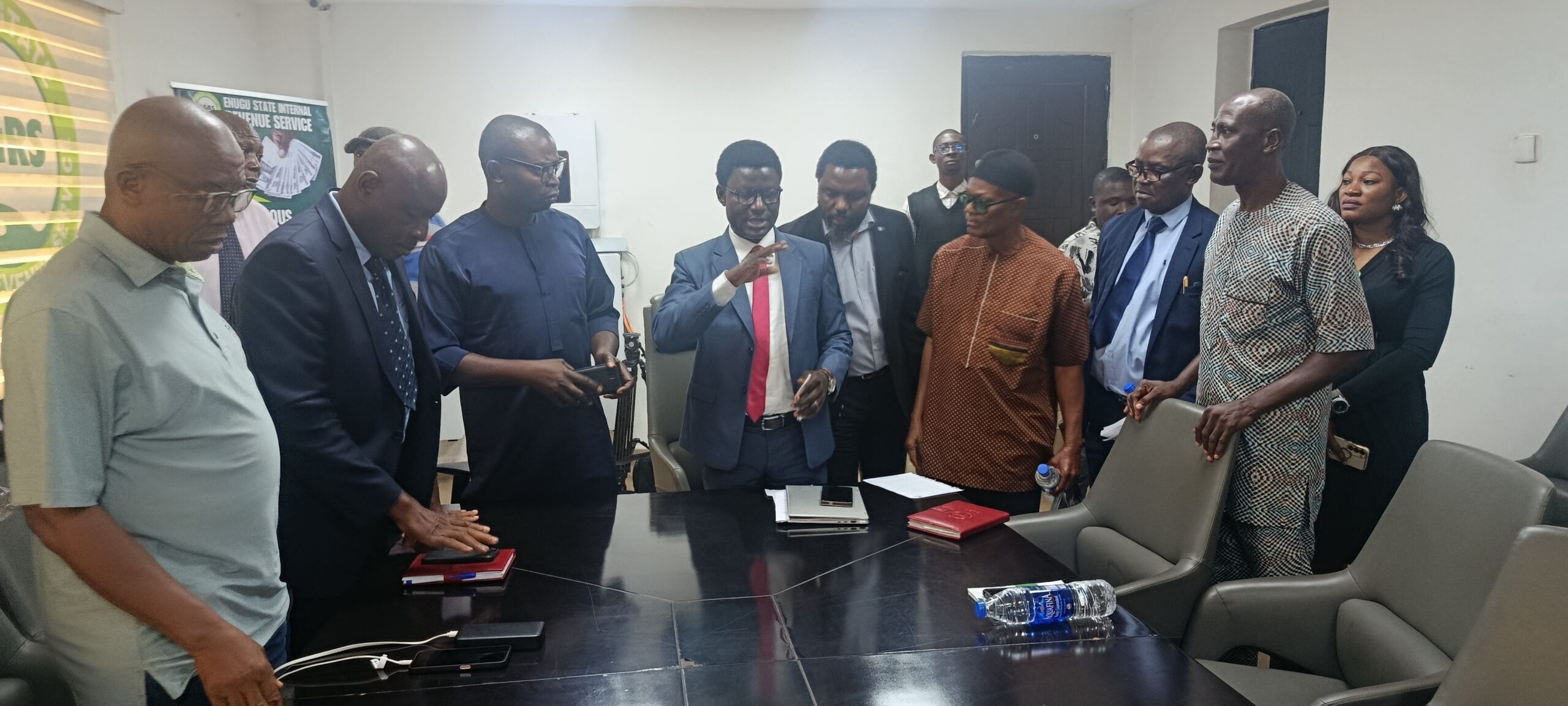
The three-year milestone was marked with a thanksgiving Mass on Sunday, yesterday, at St. Michael the Archangel Parish, Premier Layout, Enugu, where Nnamani was joined by family members, friends and well-wishers. The gathering provided a personal moment of thanksgiving and an opportunity to acknowledge the support of those who had shared in the journey.
Looking ahead, the anniversary places ESIRS at another point of transition: from building systems to deepening public compliance and trust. Its experience so far suggests that revenue reform works best not simply as an exercise in enforcement, but when government systems, citizens and communities understand their respective roles in financing and shaping the development they ultimately share.
Visit GMTNewsng for more news stories.