Nigeria loses an estimated $2 billion annually to medical tourism, Wellington Hospital CEO Charles Ugwuanyi says, urging investment in specialist healthcare.
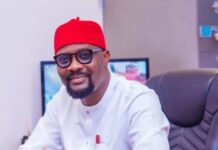
Nigeria loses an estimated $2 billion annually to medical tourism, Chief Executive Officer of Wellington Hospital for Neurology and Neurosurgery, Abuja, Dr Charles Ugwuanyi, has said, calling for increased investment in specialist healthcare services to reduce the financial outflow.
Ugwuanyi made the disclosure on Monday in Abuja at a news conference marking the hospital’s 15 years of providing neurological and neurosurgical services in Nigeria.
He said the country could reduce medical spending abroad by strengthening local specialist hospitals, improving electricity supply and expanding health insurance coverage to include advanced neurological and surgical procedures.
According to him, retaining skilled medical professionals, providing continuous specialist training and raising public awareness would also help build confidence in Nigeria’s healthcare system.
“Sustained investment in modern medical equipment, specialist training and reliable electricity supply is essential to strengthening local capacity and reducing the need for Nigerians to seek treatment abroad,” he said.
Ugwuanyi said Wellington Hospital had attended to 9,457 patients and performed 4,657 operations over the past 15 years, covering conditions affecting the brain, spine and peripheral nerves.
He said the procedures included 2,150 brain surgeries and 2,307 spine surgeries, highlighting the hospital’s role in providing specialised treatment.
The chief executive officer said the facility had invested in advanced diagnostic equipment, six operating suites, intensive care facilities and seven dialysis machines to support patients with complex medical conditions.
He added that the hospital had adopted solar power to provide more reliable electricity for specialised equipment and reduce operating costs associated with power interruptions.
Ugwuanyi also advocated stronger collaboration among healthcare providers, noting that partnerships and referrals to competent facilities could improve patient safety and access to specialised treatment.
Speaking on kidney disease, the neurosurgeon identified hypertension, diabetes and the misuse of medications as major contributors to kidney damage.
He expressed concern that many young Nigerians were living with undiagnosed hypertension and diabetes, while some patients struggled to follow prescribed treatment because of the cost of medication.
He cautioned against indiscriminate use of painkillers, including ibuprofen, indomethacin and naproxen, warning that misuse of such medicines could damage the kidneys.
Ugwuanyi urged Nigerians to undergo regular medical examinations, monitor their blood pressure and blood sugar levels, and seek medical attention for persistent headaches and other unusual symptoms.
He also advised the public to avoid self-medication, limit excessive alcohol consumption and adopt healthier lifestyles to reduce the risk of illnesses that could lead to serious complications.
Ugwuanyi explained that the hospital’s services extended beyond neurology and neurosurgery through collaboration with specialists in cardiology, endocrinology, psychiatry, general medicine and other fields.
He said the multidisciplinary approach enabled the hospital to provide more comprehensive care, given that brain and spinal conditions could require the involvement of other medical specialists.
The hospital chief executive reaffirmed the facility’s commitment to expanding access to advanced neurological and neurosurgical services in Nigeria through modern equipment, specialist expertise and collaboration.
His call comes amid continuing concerns over Nigeria’s loss of healthcare spending to foreign medical facilities. The Nigerian Investment Promotion Commission identifies specialist hospitals and improved local treatment capacity as important opportunities for reducing medical tourism and retaining healthcare expenditure within the country.
Visit GMTNewsng for more news stories.