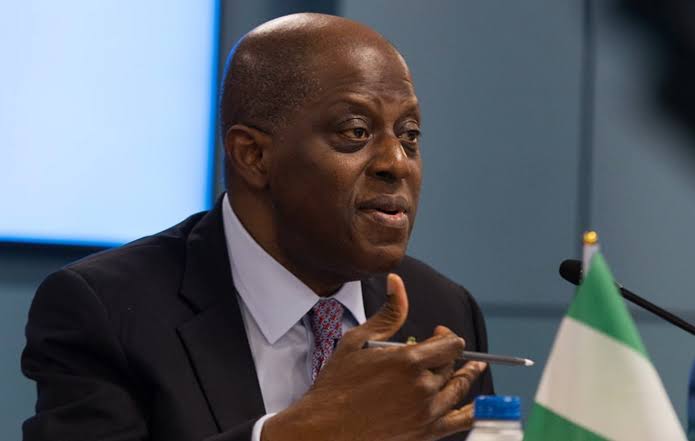
Central Bank of Nigeria Governor Olayemi Cardoso has urged the Federal Government to sustain economic reforms, citing improved foreign exchange stability, easing inflationary pressures and growing investor confidence as key gains that require consistent policies.
The Governor of the Central Bank of Nigeria (CBN), Olayemi Cardoso, has urged the Federal Government to sustain its economic reforms, warning that reversing existing policies could undermine recent gains in economic stability and investor confidence.
Cardoso made the call on Friday, October 16, during a Nigeria news conference in Bangkok, Thailand, on the sidelines of the 2026 World Bank and International Monetary Fund (IMF) Annual Meetings.
He said Nigeria’s economic recovery had attracted international attention, with global policymakers recognising efforts to address longstanding economic challenges and restore macroeconomic stability.
According to the CBN governor, easing inflationary pressures and improved foreign exchange market stability indicate progress from monetary policy adjustments and broader economic reforms.
He stressed that maintaining the reform momentum was essential to consolidating these gains and creating a more predictable environment for businesses and investors.
“We have shown that it can be done and that stability has finally returned,” Cardoso said.
The CBN governor also highlighted improvements in the foreign exchange market, noting that the premium between the official and parallel market exchange rates had narrowed from approximately 60 per cent to between three per cent and four per cent.
He said the reduced gap had helped limit exchange rate uncertainty and created opportunities for long-term investments denominated in naira.
Cardoso called for a clearer division of responsibilities among economic institutions, urging development finance institutions to play a greater role in directing funding towards productive sectors while the CBN concentrates on price stability and broader macroeconomic objectives.
He identified stronger collaboration among governments, financial institutions and private-sector operators as critical to attracting investment, creating jobs and achieving sustainable economic growth.
The CBN governor further emphasised transparency and policy consistency as essential to strengthening investor confidence, noting that credible economic policies could encourage greater participation by both domestic and foreign investors.
On Nigeria’s engagement with China, Cardoso said the CBN was exploring stronger institutional cooperation, particularly in payment systems and knowledge-sharing with the People’s Bank of China.
He expressed optimism that deeper financial collaboration could encourage greater participation by Asian investors in Nigerian and African financial instruments.
Such partnerships, he indicated, could help broaden investment sources and strengthen connections between Nigeria’s financial system and international markets.
Cardoso also described artificial intelligence (AI) as an opportunity for developing economies to narrow the technology and productivity gap with advanced economies.
However, he cautioned that the benefits would depend on clear implementation strategies, effective safeguards and international cooperation to address cybersecurity threats and other risks associated with the technology.
He said the CBN had engaged experts to deepen its institutional understanding of AI, including its potential applications, opportunities and associated risks.
Cardoso maintained that sustained policy implementation, transparency and cooperation among key economic stakeholders would be necessary to preserve Nigeria’s reform gains, attract long-term capital and support inclusive economic growth.
Visit GMTNewsng for more news stories.