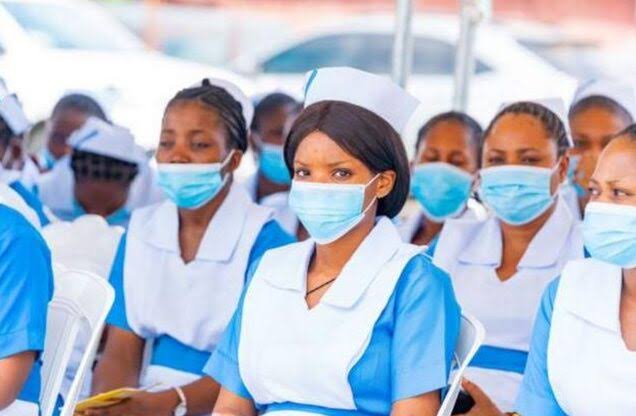
The Borno State Government says it has recruited nearly 2,000 health workers in two years to address manpower shortages, strengthen healthcare delivery and support growing enrolment in the state’s contributory health insurance scheme.
The Borno State Government says it has recruited nearly 2,000 health workers over the past two years as part of efforts to address staffing shortages and improve healthcare delivery across the state.
Dr Saleh Abba Kaza, Executive Secretary of the Borno State Contributory Healthcare Management Agency (BOSCHMA), disclosed this in an interview with journalists in Maiduguri on Monday, October 12.
Kaza said the recruitment of doctors, nurses and other healthcare professionals had helped reduce staffing gaps across the state’s healthcare system, although additional personnel were still needed to meet the growing demand for medical services.
He explained that the expansion of the state’s contributory healthcare scheme had increased demand for services, particularly under the formal-sector programme for civil servants.
According to him, BOSCHMA is working to strengthen participating healthcare facilities to ensure that enrollees have access to affordable and quality medical care.
Kaza said the state government was also investing in the training of additional healthcare professionals through medical and nursing institutions to provide a sustainable response to workforce shortages.
He identified Kashim Ibrahim University and other health training institutions as important sources of future medical personnel, expressing optimism that their graduates would strengthen the workforce within the next two to three years.
The BOSCHMA executive secretary added that two additional colleges of nursing were expected to begin admitting students, while existing institutions were expanding their admission capacity to produce more qualified professionals.
He said the measures were intended to increase the supply of medical personnel and reduce pressure on existing healthcare workers.
Despite the recruitment drive, Kaza acknowledged that manpower shortages remained a concern because of the growing number of residents requiring medical attention.
He noted that demand was increasing among beneficiaries of the state’s vulnerable-groups healthcare programme as well as civil servants enrolled in the contributory scheme.
The agency’s official website identifies formal-sector employees, individuals and families, and vulnerable residents among the groups covered by its healthcare programmes.
Kaza stressed that sustained collaboration between the state government, healthcare providers and relevant agencies would be necessary to address staffing gaps and improve service delivery.
Kaza commended Governor Babagana Zulum for supporting the contributory healthcare scheme through the consistent fulfilment of the state’s subsidy obligations.
He said continued investment in healthcare personnel, medical infrastructure and essential medicines would be critical to improving access to quality services across Borno.
The state government’s recruitment and training initiatives form part of broader efforts to expand healthcare access and strengthen the delivery system as enrolment increases.
However, Kaza’s remarks indicate that additional recruitment and investment will remain necessary to ensure that the state’s growing population can access timely and affordable medical care.
Visit GMTNewsng for more news stories.