Death penalty: Algeria’s lower house approves amendments introducing capital punishment for arson, child kidnapping and other serious crimes.
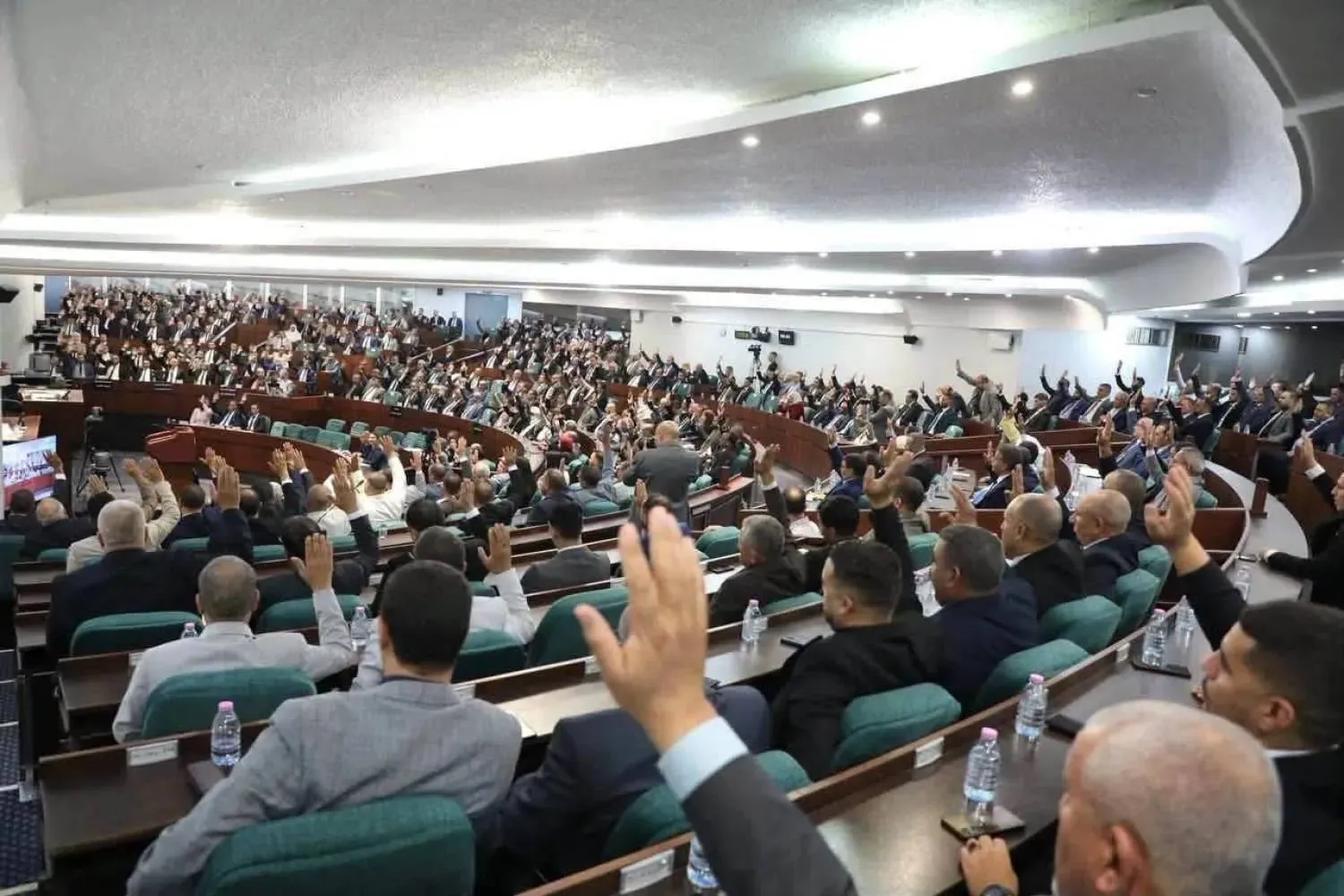
Algeria’s lower house of parliament has approved amendments to the country’s Penal Code introducing the death penalty for serious offences, including intentional arson and child kidnapping.
The People’s National Assembly adopted the amendments during a plenary session on Thursday, expanding the scope of capital punishment to cover several crimes considered threats to public safety and national security.
Under the amended provisions, the death penalty will apply to individuals convicted of deliberately setting fire to forests and agricultural fields, as well as those involved in child kidnapping.
The punishment will also apply to certain cases of torture, sexual assault and abuse involving kidnapped children.
The amendments further prescribe capital punishment for the deliberate destruction of public or private property carried out for the benefit of foreign parties in connection with treason, espionage or organised crime.
Other offences covered include acts intended to undermine public security and order, national unity, or economic and environmental stability.
According to Algeria’s state news agency, the amendments also prevent individuals convicted of the specified arson and child-related offences from benefiting from mitigating circumstances under the Penal Code.
The legislation follows deadly wildfires that swept through northeastern Algeria in August, killing at least 12 people, according to official figures.
President Abdelmadjid Tebboune had directed the justice minister to amend the Penal Code following the fires, seeking tougher penalties for those responsible for deliberately starting them.
Justice Minister Lotfi Boudjemaa defended the amendments, describing the death penalty as an appropriate legal response to the offences covered by the legislation.
However, human rights organisations have criticised the move, raising concerns about the expansion of capital punishment and its potential implications.
Algeria has not carried out an execution since 1993, although its courts have continued to issue death sentences for various offences.
In July 2025, the country also amended its drug laws to introduce the death penalty for several narcotics-related offences.
Despite Thursday’s approval by the lower house, the amendments must still be considered by the Council of the Nation, Algeria’s upper parliamentary chamber, before final ratification by the president and publication in the official gazette.
Visit GMTNewsng for more news stories.