The Netherlands has rejected the latest US sanctions against ICC officials and reaffirmed its support for the court’s independence and mandate.
The Dutch government has rejected the latest United States sanctions against senior officials of the International Criminal Court (ICC), reaffirming its support for the Hague-based court and its independent mandate.
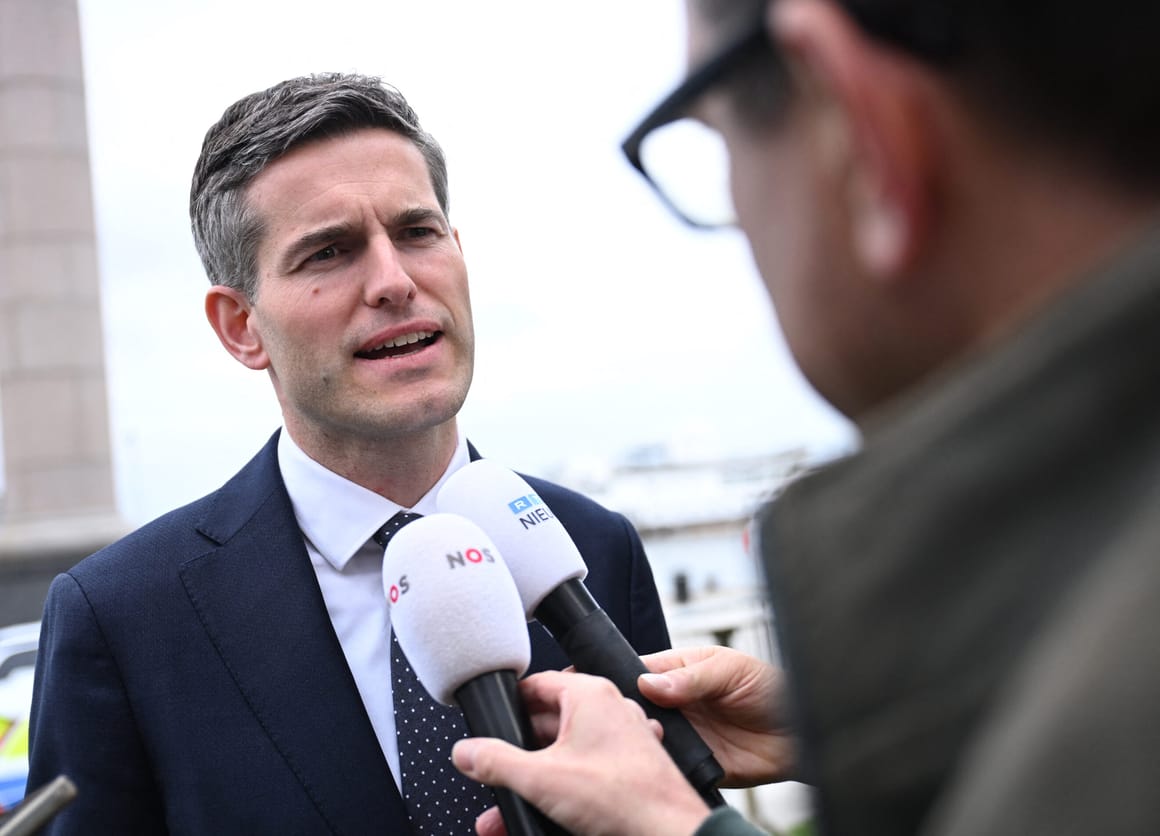
Dutch Foreign Minister Tom Berendsen said international courts and tribunals must be able to carry out their mandates without external pressure, while expressing continued Dutch backing for the ICC and its personnel.
“We fully support the court and its staff,” Berendsen said, adding that he had invited ICC President Judge Tomoko Akane to discuss the Netherlands’ continued support for the institution.
The Netherlands’ position came after the United States on Tuesday imposed sanctions on Akane and ICC Senior Trial Lawyer Abdoulaye Seye of Senegal. The latest measures intensify a growing dispute between Washington and the international court.
US Secretary of State Marco Rubio said the two officials were targeted because of their involvement in ICC efforts to investigate, arrest, detain or prosecute officials whose governments had not consented to the court’s jurisdiction.
The sanctions freeze any assets belonging to the designated individuals within US jurisdiction and restrict their access to the American financial system.
Washington has consistently opposed the ICC’s assertion of jurisdiction over nationals of non-member states, particularly in cases involving the United States and Israel.
The US is not a party to the Rome Statute, the treaty that established the ICC, and has repeatedly rejected the court’s jurisdiction over US nationals. In July, the US Department of Justice reiterated that position, describing any attempt by the ICC to exercise jurisdiction over Americans as unlawful and an infringement on US sovereignty.
The ICC strongly rejected the latest sanctions, describing them as an attack on the independence of an impartial judicial institution.
The court said the measures threaten judicial independence and undermine the international legal order, while reaffirming its determination to carry out its mandate under the Rome Statute.
Akane, a Japanese judge, has served as president of the ICC, while Seye is a Senegalese senior trial lawyer at the court. The two are among a growing number of ICC officials targeted by US sanctions amid Washington’s opposition to the court’s investigations.
The Netherlands’ response is part of a broader international reaction to the latest US measures. Japan has also criticised the sanctions against Akane, calling them “very unfortunate” and reaffirming its support for the ICC.
The ICC, headquartered in The Hague, investigates and prosecutes individuals accused of genocide, war crimes and crimes against humanity in circumstances covered by its jurisdiction.
The latest dispute has further deepened tensions between Washington and the court, particularly over ICC investigations connected to alleged crimes in Gaza and proceedings involving Israeli officials. The United States and Israel are not members of the ICC and reject its jurisdiction in the relevant cases.
With the Netherlands hosting the ICC, Berendsen’s intervention underscores the Dutch government’s continued commitment to the court and the principle that international judicial institutions should be able to operate independently.
The confrontation between Washington and the ICC is expected to remain a major diplomatic and legal issue as the United States continues its campaign against the court and its officials.
Visit GMTNewsng for more news stories.