Anambra orders urgent water testing in flood-affected communities to detect contamination and prevent waterborne diseases after flooding and erosion.
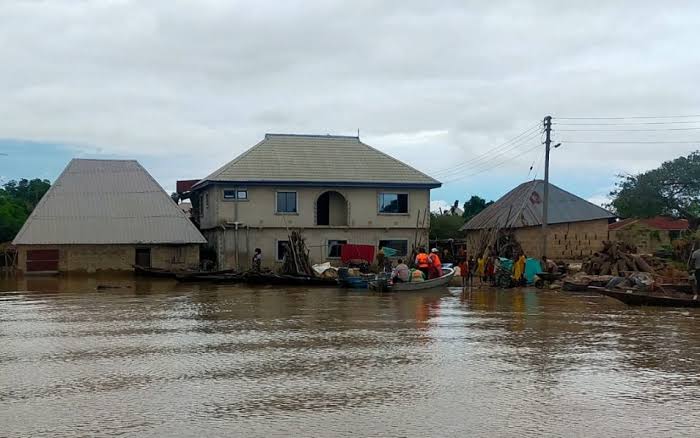
The Anambra State Government has ordered the immediate testing of water from boreholes and wells in flood-affected communities amid concerns over possible contamination and the spread of waterborne diseases.
The directive covers affected areas in Onitsha, Ogbaru, Ogidi, Umusiome Nkpor and Obosi, with the state government seeking to determine whether underground water sources remain safe for consumption following flooding and erosion.
The Commissioner for Environment, Dr Clem Aguiyi, disclosed the measure on Tuesday in Awka while briefing journalists on the government’s response to environmental and public health risks associated with the flooding.
Aguiyi said the exercise was designed as a proactive public health intervention, noting that floodwater can carry sewage, chemicals and other pollutants into wells and underground water sources.
He warned that water appearing clean does not necessarily mean it is safe for drinking, particularly after flooding.
The commissioner said contamination risks had increased in parts of Idemili North, Ogbaru and Onitsha South Local Government Areas, where flooding and erosion had affected drainage systems and water infrastructure.
According to him, the testing will help authorities identify contaminated water sources and prevent possible outbreaks of diseases including cholera, typhoid and diarrhoea.
The state Ministry of Environment will work with the Ministry of Health, affected local government councils and community leaders to collect samples from public and privately owned boreholes and wells.
Aguiyi said state-accredited consultants and laboratories would conduct the sampling and analysis, with the results expected to determine whether individual water sources are safe and what remedial measures may be required.
He directed homeowners, landlords, schools, markets and religious centres in affected communities to make their boreholes and wells available for the exercise.
The commissioner further advised residents to boil or chlorinate water used for drinking until laboratory results are released.
Any borehole or well found to be contaminated, he said, would have to be disinfected and tested again before being returned to use.
The government’s concern is supported by previous research on groundwater quality in Anambra. A study of boreholes in Oba, near Onitsha, found significant heavy-metal contamination in sampled groundwater and concluded that the water required treatment before consumption.
Flooding can also increase the risk of waterborne disease when sewage and other contaminants enter drinking-water systems. Nigeria’s flood impact assessment found that waterborne diseases accounted for the overwhelming majority of disease outbreaks reported by households affected by the 2022 floods.
Anambra has intensified its broader efforts to address flooding and environmental degradation, including interventions targeting blocked waterways, indiscriminate waste disposal and other practices blamed for worsening flooding.
Aguiyi also warned residents against dumping refuse in drains and waterways, saying environmental laws would be enforced against offenders.
He urged residents, businesses and community organisations to cooperate with the government’s sanitation and environmental measures, stressing that keeping drainage channels clear remains essential to reducing flooding and protecting public health.
Visit GMTNewsng for more news stories.