The NPC has launched a nationwide digital platform that allows Nigerians abroad to register births and deaths online, replacing the paper-based registration system that has been in use since 1988.
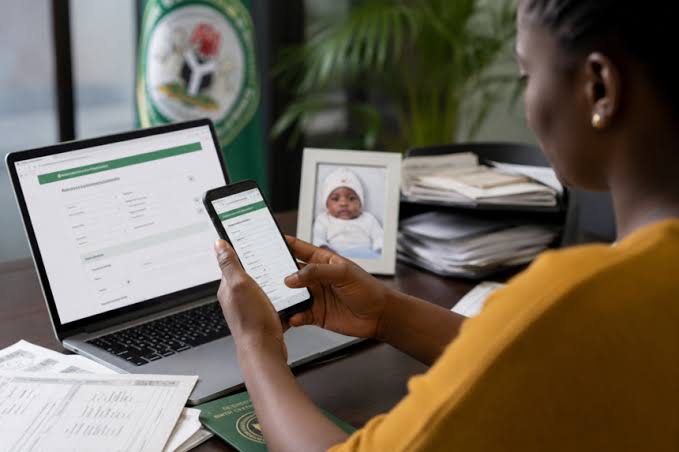
The National Population Commission (NPC) has introduced a digital self-service platform that enables Nigerians living abroad to initiate the registration of births and deaths online from anywhere in the world.
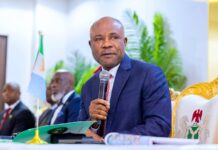
The announcement was made on Friday in Benin by the Federal Commissioner representing Edo State in the commission, Dr. Tony Aiyejina, during a news conference.
According to Aiyejina, the new NPC digital registration system became operational nationwide on July 1, replacing the paper-based process that had been in use since 1988.
He said the transition to a digital platform is aimed at making birth and death registration faster, more secure and more reliable.
“Since 1988, the NPC has been doing registration on paper. In keeping with today’s reality, we must go digital so that our services can be more dependable and reliable,” he said.
Aiyejina explained that existing paper records would be migrated to the new digital system to preserve vital registration records and prevent the loss of important data.
He added that the digital platform would reduce processing delays, minimise errors, prevent duplication and fraud, and make the retrieval of records easier.
The NPC commissioner stressed that accurate birth and death registration remains essential for national planning in key sectors such as healthcare, education, housing, employment and social welfare.
He urged parents, healthcare providers, traditional rulers, religious organisations and other stakeholders to support the initiative by ensuring that births and deaths are registered promptly.
Also speaking, the Edo State Director of the NPC, Mrs. Agnes Ibadin, disclosed that the commission has commenced digital birth registration in health centres across the state.
She said registrars are working closely with healthcare providers to capture births at health facilities, particularly when mothers bring their children for immunisation.
According to Ibadin, the arrangement eliminates the need for residents of remote communities to travel long distances to register births, as nearby health centres now serve as registration contact points.
She noted that the initiative forms part of the commission’s broader efforts to expand access to civil registration services and ensure that underserved communities are not excluded.
The event concluded with a live demonstration of the new digital birth and death registration process.
Visit GMTNewsng for more news stories.