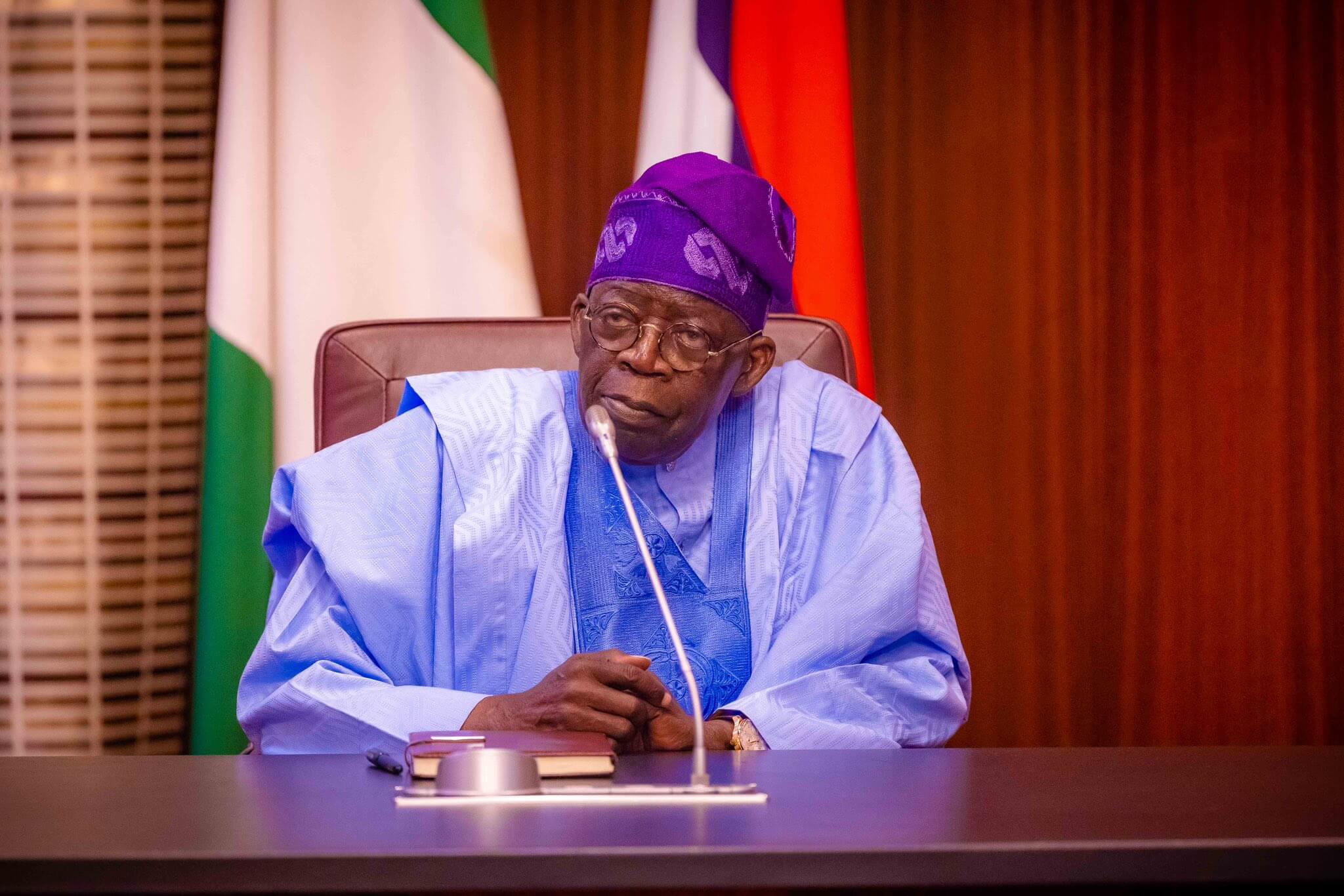
President Bola Tinubu’s attendance at the Africa CEOs Forum in Kigali reflects Nigeria’s renewed economic diplomacy strategy focused on attracting foreign investment and projecting the country as a stable business destination.
By Abdulaziz Abdulaziz, Senior Special Assistant to the President on Media and Public Enlightenment.
“Marketing is too important to be left to the marketing department.” – David Packard
The Africa CEOs Forum, founded by Jeune Media Group, has established itself as the largest private sector gathering on the continent. It has become a meeting point where investors engage leaders, business moguls meet policymakers, and transformative ideas find expression and support.
The 2026 edition, co-hosted by the International Finance Corporation (IFC), is holding in Kigali on May 14 and 15, bringing together more than 2,800 business leaders, investors and policymakers from over 90 countries. Organisers say more than 300 journalists are also attending the event.
For Bola Ahmed Tinubu, the summit provides another opportunity to project Nigeria’s economic potential to global investors and business leaders.
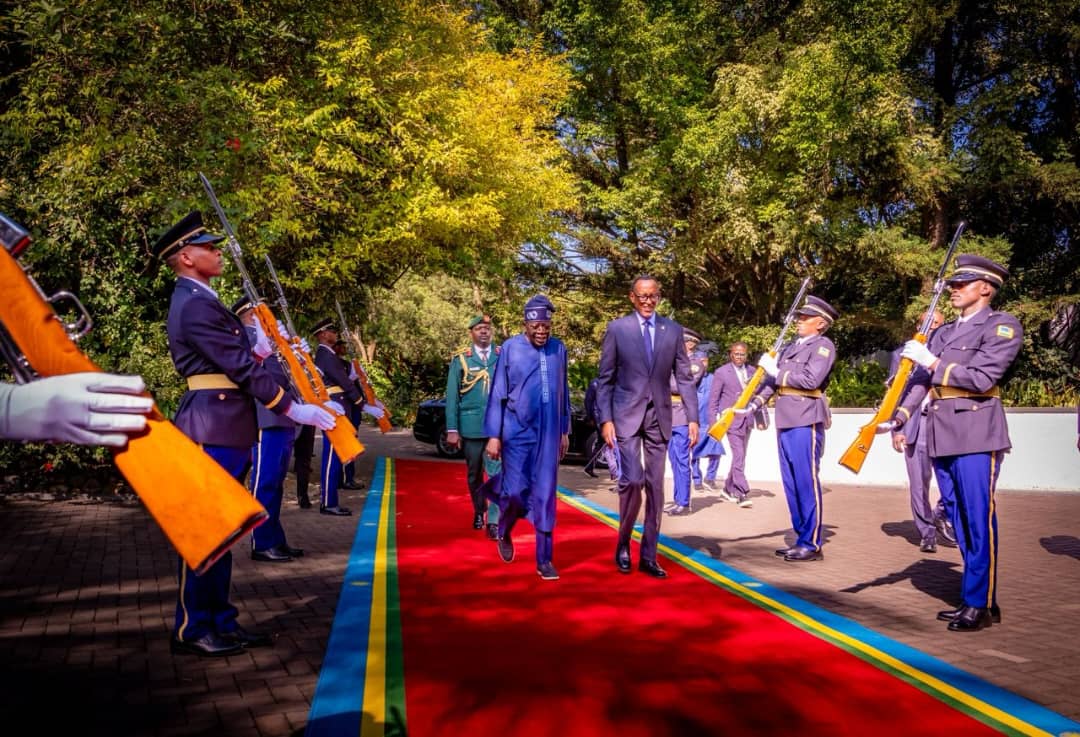
Fresh from a similar investment-focused engagement in Nairobi, President Tinubu arrived in Kigali on Wednesday to continue his administration’s economic diplomacy drive.
The words of David Packard, co-founder of Hewlett Packard, resonate strongly with President Tinubu’s governing style. Since assuming office in May 2023, he has consistently demonstrated that attracting foreign direct investment and promoting Nigeria globally are responsibilities that cannot be left solely to bureaucrats or government agencies.
For Tinubu, marketing Nigeria is a central pillar of his administration’s strategy to achieve its ambitious economic targets, including the vision of building a $1 trillion economy.
In today’s interconnected world, economic diplomacy has become as critical as traditional diplomacy. Countries no longer compete only through military power or natural resources; they now compete through visibility, perception, confidence and strategic global engagement.
A nation that fails to tell its own story risks being defined by external narratives and outdated stereotypes.
This explains why international engagements by national leaders remain important. For President Tinubu, these trips are not ceremonial luxuries or routine diplomatic outings. They are platforms to attract investments, deepen trade partnerships, promote trust and strengthen confidence in Nigeria’s economy.
In an era where investors are cautious about political instability and policy uncertainty, nations whose leaders project clarity, ambition and accessibility tend to attract stronger investment confidence.
No nation rises globally while remaining invisible internationally. The world invests in countries it understands and trusts.
Economic diplomacy ultimately creates opportunities for citizens by attracting capital, expanding markets, creating jobs and positioning a country as a competitive hub for enterprise and innovation.
This is where President Tinubu’s strategic outreach becomes significant and why the Kigali engagement matters for Nigeria.
The administration’s economic diplomacy agenda is designed to open Nigeria to the world while creating opportunities for Nigerians. President Tinubu approaches this role with consistency and passion, combining advocacy with economic persuasion.
Whether engaging executives from Siemens, ExxonMobil or investors in Riyadh, the President presents Nigeria’s case with confidence, often relying on direct facts, reform figures and economic projections.
But economic diplomacy alone is insufficient without strong reforms to support the message.
The administration’s policy decisions, particularly in the oil and gas sector, foreign exchange market and tax system, have significantly reshaped the Nigerian investment environment.
Incentives introduced for oil companies have repositioned Nigeria as a major destination for energy investments after years of stagnation.
According to the article, Nigeria attracted about 40 per cent of fresh African investments in deepwater and gas projects last year, while sectors such as renewable energy and mining have also emerged as growing investment destinations.
Exchange rate harmonisation has provided greater predictability for investors, while reforms in the tax system have reduced regulatory bottlenecks and concerns over multiple taxation.
Nigeria is already beginning to see the effects of these reforms. Some companies that previously exited the market or considered leaving are reportedly reassessing their positions.
The article also referenced the reported $20 billion Bonga project investment announcement by Shell as well as growing investments in the mining sector.
At the Kigali summit, Bola Ahmed Tinubu is also expected to participate in a conversation with Nicholas Norbrook, where he is likely to reinforce Nigeria’s message to global investors: that the country is positioning itself as a bolder, more stable and investment-ready economy.
Visit GMTNewsng for more news stories.