

ENUGU, Jan. 26 – International Fund for Agricultural Development IFAD training has empowered no fewer than 50 youth farmers in Enugu State with digital skills to market and sell their agricultural produce using social media platforms.
The IFAD training, held on Sunday, January 25, 2026, was organised by the International Fund for Agricultural Development (IFAD) in partnership with the Federal Government under the Value Chain Development Programme (VCDP).
Participants were drawn from five benefiting local government areas—Aninri, Enugu East, Isi Uzo, Nkanu East and Udenu—reflecting the programme’s inclusive approach to youth-focused agribusiness development.
Speaking at the event, the State Knowledge Management and Communication Officer, Hilary Ali, urged the participants to take the IFAD training seriously and fully absorb the lessons on digital marketing.
“This knowledge should not end here,” Ali said. “We expect VCDP liaison officers to ensure that what you learn from this IFAD training is extended to other members of your cooperatives.”
One of the facilitators, Mr. Christian Nwangene, said the IFAD training was designed to equip young farmers with practical skills to leverage social media for income generation and business sustainability.
“IFAD training helps Enugu youth farmers master social media marketing, create business pages, attract customers and grow agribusiness income under the Value Chain Development Programme.”
“We are here to guide you on how to use social media platforms to market your produce and make money,” Nwangene said.
He explained that the initiative formed part of the programme’s exit strategy to help beneficiaries sustain their livelihoods after the intervention period.
According to him, participants were taught how to create business-focused accounts, develop engaging content, grow online audiences and convert followers into customers.
Nwangene introduced platforms such as Facebook, WhatsApp, Instagram, TikTok and YouTube, describing social media as a powerful tool for business visibility and market expansion.
He encouraged the youths to shift from posting personal photos to showcasing farming activities and agricultural products online, stressing consistency, honest branding and prompt customer response as key success factors.
Another facilitator, Mr. Michael Chirotam, spoke on digital marketing strategies, emphasising the need to understand target audiences, analyse trends and use multiple platforms to drive sales.
Earlier, the State Programme Coordinator, Mr. Edward Isiwu, said the organisers expected tangible outcomes from the IFAD training.
“We expect that many of you will soon have success stories to share from this training,” Isiwu said.
One of the beneficiaries, Mr. Okwudili Samuel Ndubisi from Aninri Local Government Area, expressed appreciation to IFAD and its partners for the capacity-building initiative.
“This is my first training of this kind. I mainly used my phone for chatting and watching videos,” Ndubisi said.
“Now, I have learnt how to create a business page, which I will develop to attract customers.”
The IFAD training featured hands-on sessions where participants created Facebook business pages, updated WhatsApp business profiles and produced short promotional videos on TikTok.
Participants remained actively engaged throughout the programme, with many successfully setting up functional business pages before the end of the training—an outcome organisers described as an early indicator of impact.
Visit GMTNewsng for more news stories.
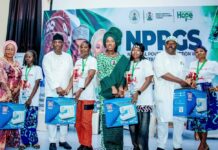



Enugu VCDP is really changing the narratives among the rural farmers