“Nigeria-US Security Partnership strengthened as the Federal Government delegation engages US officials on defence cooperation, intelligence support, humanitarian assistance and strategies to protect vulnerable communities.”
Abuja | Monday, November 24, 2025
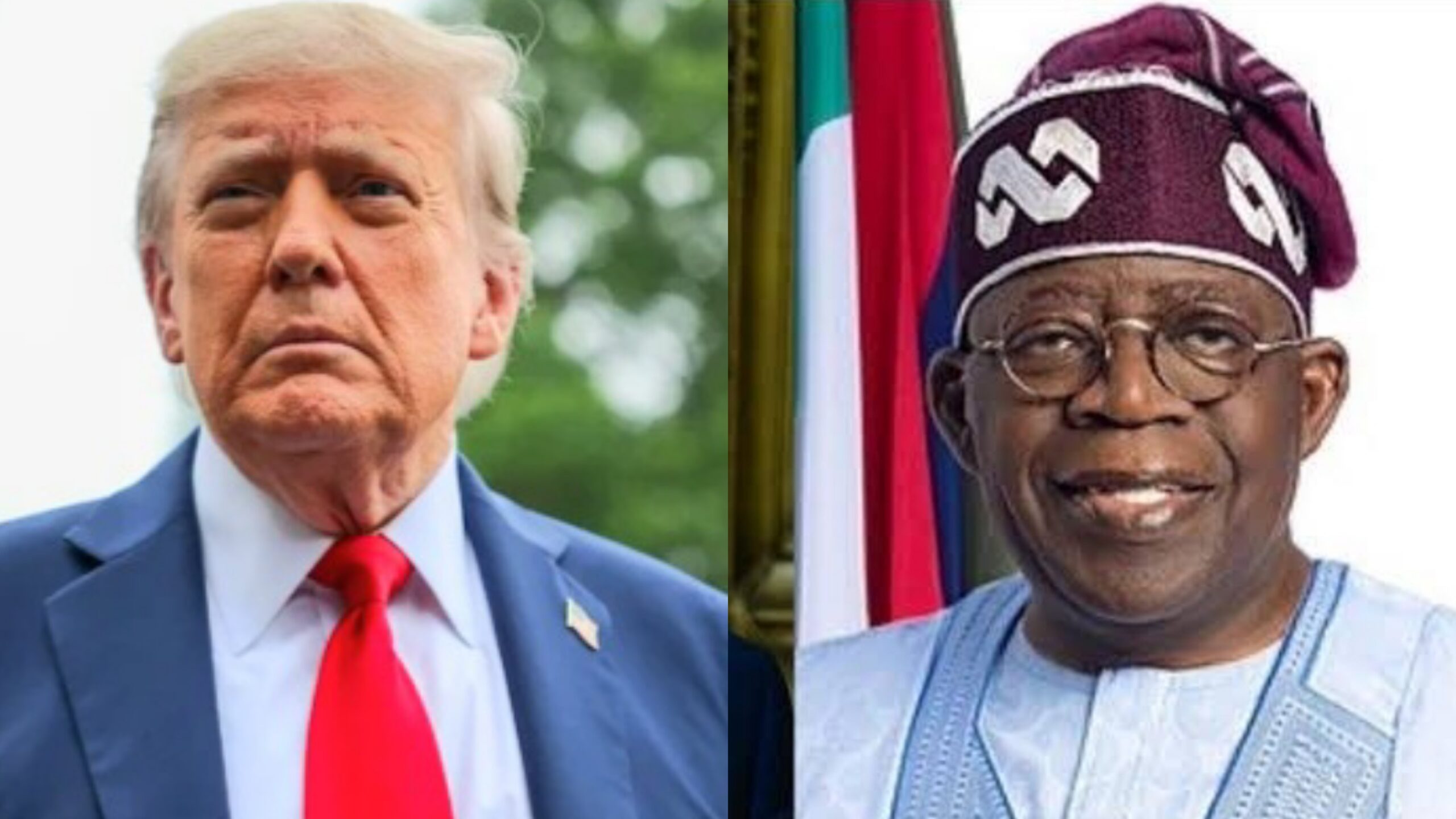
The Nigeria-US Security Partnership received a significant boost last week as a high-powered federal delegation concluded a series of strategic engagements with senior United States government officials in Washington, D.C. The meetings, held across multiple US institutions, focused on deepening cooperation, expanding intelligence sharing, and reinforcing Nigeria’s ongoing operations to protect citizens from security threats.
Led by the National Security Adviser, Mallam Nuhu Ribadu, the Nigerian team met with senior lawmakers in the US Congress, directors and advisers within the National Security Council, officials of the White House Faith Office, representatives of the Department of State, and leadership within the Department of War. The extensive engagements aligned with the Federal Government’s current push to strengthen defence partnerships with global allies and enhance Nigeria’s internal security architecture and the Nigeria-US Security Partnership.
During the discussions on Nigeria-US Security Partnership, the Nigerian delegation firmly dismissed circulating allegations of genocide in the country. Delegates emphasized that violent incidents in Nigeria affect communities across ethnic and religious lines and must not be misrepresented in ways that distort the national reality. The delegation warned that false narratives risk inflaming tensions and undermining unity at a time when the government is intensifying operations against armed groups responsible for attacks in various regions.
Following the clarifications and presentations made by the Nigerian officials, the US Government reaffirmed its willingness to expand the Nigeria-US Security Partnership. American officials acknowledged ongoing Nigerian efforts to contain terrorism and violent extremism and committed to supporting these initiatives. The United States indicated readiness to enhance intelligence cooperation, accelerate the processing of defence equipment requests by Nigeria, and consider the transfer of excess defence articles where available-an important step toward strengthening Nigeria’s operational capacity.
Beyond combat-related assistance, the US also expressed support for humanitarian and preventive measures, particularly in communities affected by violence in the Middle Belt. This includes technical expertise to strengthen Nigeria’s early-warning and rapid-response mechanisms, as well as targeted humanitarian aid to populations displaced or impacted by communal or extremist attacks. Officials said this complementary support aims to reduce vulnerabilities and assist ongoing stabilisation efforts.
On the Nigeria-US Security Partnership, both countries agreed to activate immediately a non-binding cooperation framework designed to facilitate practical implementation of agreed-upon actions. They also approved the establishment of a Joint Working Group to harmonize efforts, ensure accountability in execution, and maintain consistency in communication between both governments. This Working Group will play a central role in monitoring progress, identifying gaps, and recommending expanded areas of collaboration under the security partnership.
For its part, the Nigerian delegation assured US officials of the federal government’s ongoing reforms to improve civilian protection in conflict-affected areas. Delegates restated Nigeria’s commitment to responsible security operations, stronger oversight, enhanced human rights compliance, and transparent engagement with communities affected by violence. They added that the government remains focused on restoring public trust while intensifying efforts to dismantle the networks behind terrorism, banditry, and extremist activities.
The engagements also provided Nigeria an opportunity to correct longstanding misconceptions, rebuild confidence with international partners, and reinforce its position as a country committed to lawful, coordinated and intelligence-driven security responses. Delegation members stressed that constructive and fact-based collaboration-rather than sensationalized or politically motivated narratives-remains central to achieving long-term stability. Senior presidential adviser Bayo Onanuga, who participated in the US engagements, noted that the meetings helped reset discussions around Nigeria and opened pathways for more solution-oriented cooperation.
The Federal Government reiterated its awareness of increased global sensitivity around issues of security and religious freedom and urged Nigerians to remain assured that firm, coordinated and urgent measures are underway to secure all communities. The delegation included Attorney General of the Federation, Prince Lateef Olasunkanmi Fagbemi; Chief of Defence Staff, General Olufemi Oluyede; Chief of Defence Intelligence, Lt. Gen. Emmanuel Parker Undiandeye; Inspector General of Police, Kayode Egbetokun; Ambassador Ibrahim Babani, Director of Foreign Relations in the Office of the NSA; and Ms. Idayat Hassan, Special Adviser to the NSA. Nigeria-US Security Partnership if well managed will help douse the security tension in the country.
Visit GMTNewsng for more on Nigeria-US Security Partnership and other news stories.