Abuja, October 2, 2025 – The Nigeria Centre for Disease Control and Prevention (NCDC) has announced that 166 Nigerians lost their lives to Lassa fever between January and September 2025, with the fatality rate now higher than what was recorded in 2024.
The public health agency disclosed the figures in its latest situation report published on its official website, covering Epidemiological Week 37, from September 8 to 14. It explained that the current situation reflects a worrying trend despite ongoing national response efforts.
According to the NCDC, “a total of 895 confirmed cases have been recorded across 21 states and 106 local government areas in 2025,” representing a widespread presence of the virus in multiple parts of the country.
The centre said the case fatality rate (CFR) has climbed to 18.5 percent, surpassing the 16.9 percent reported during the same period in 2024. It emphasized that although suspected and confirmed cases are lower this year, more patients are dying due to “late presentation and poor health-seeking behaviour, often linked to the high cost of treatment.”
Highlighting the geographical burden of the outbreak, the NCDC pointed out that Ondo, Bauchi, Edo, Taraba, and Ebonyi states continue to account for 90 percent of all confirmed cases, with Ondo State alone responsible for a third of total infections nationwide.
In its latest update, the agency confirmed that no new healthcare worker was infected during the reporting week. However, it warned that poor environmental sanitation, weak community awareness, and delayed treatment remain major drivers of the outbreak’s persistence and severity.
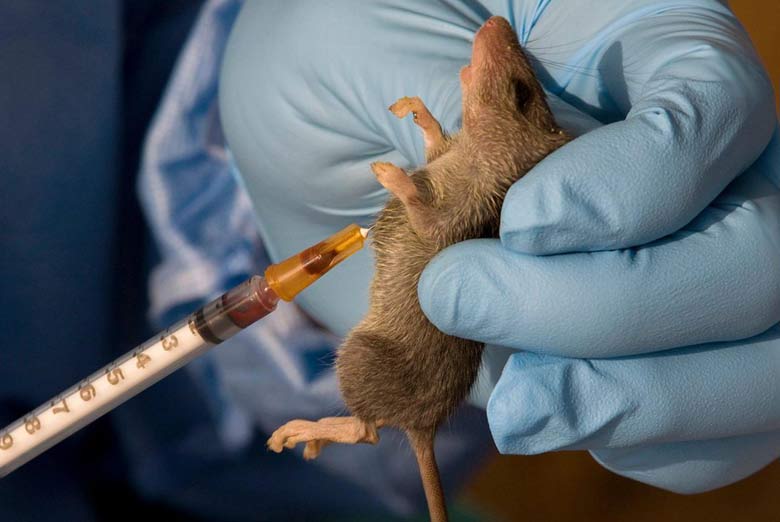
The centre explained that Lassa fever is “an acute viral haemorrhagic illness caused by the Lassa virus,” transmitted to humans primarily through contact with food or household items contaminated by rodents, particularly the multi-mammate rat. It also noted that human-to-human transmission is possible, especially in hospitals without adequate infection prevention measures.
NCDC officials outlined that symptoms often include fever, headache, sore throat, chest pain, vomiting, and diarrhoea, while severe cases may present with unexplained bleeding. The agency added that the disease is endemic in parts of West Africa, with Nigeria bearing the heaviest burden in the region.
To strengthen control measures, the agency revealed it had deployed 10 rapid response teams to high-burden states, rolled out new infection prevention and control (IPC) training modules, and supported clinical management fellowship programmes in collaboration with both local and international partners.
The NCDC further urged states to intensify community engagement and preventive campaigns, while reminding healthcare workers to “maintain a high index of suspicion and initiate early treatment once symptoms are identified,” stressing that timely response remains the best strategy to reduce Lassa fever deaths in Nigeria. GMTNewsng