Rwanda and Nigeria: Lessons in Development from Abu Dhabi
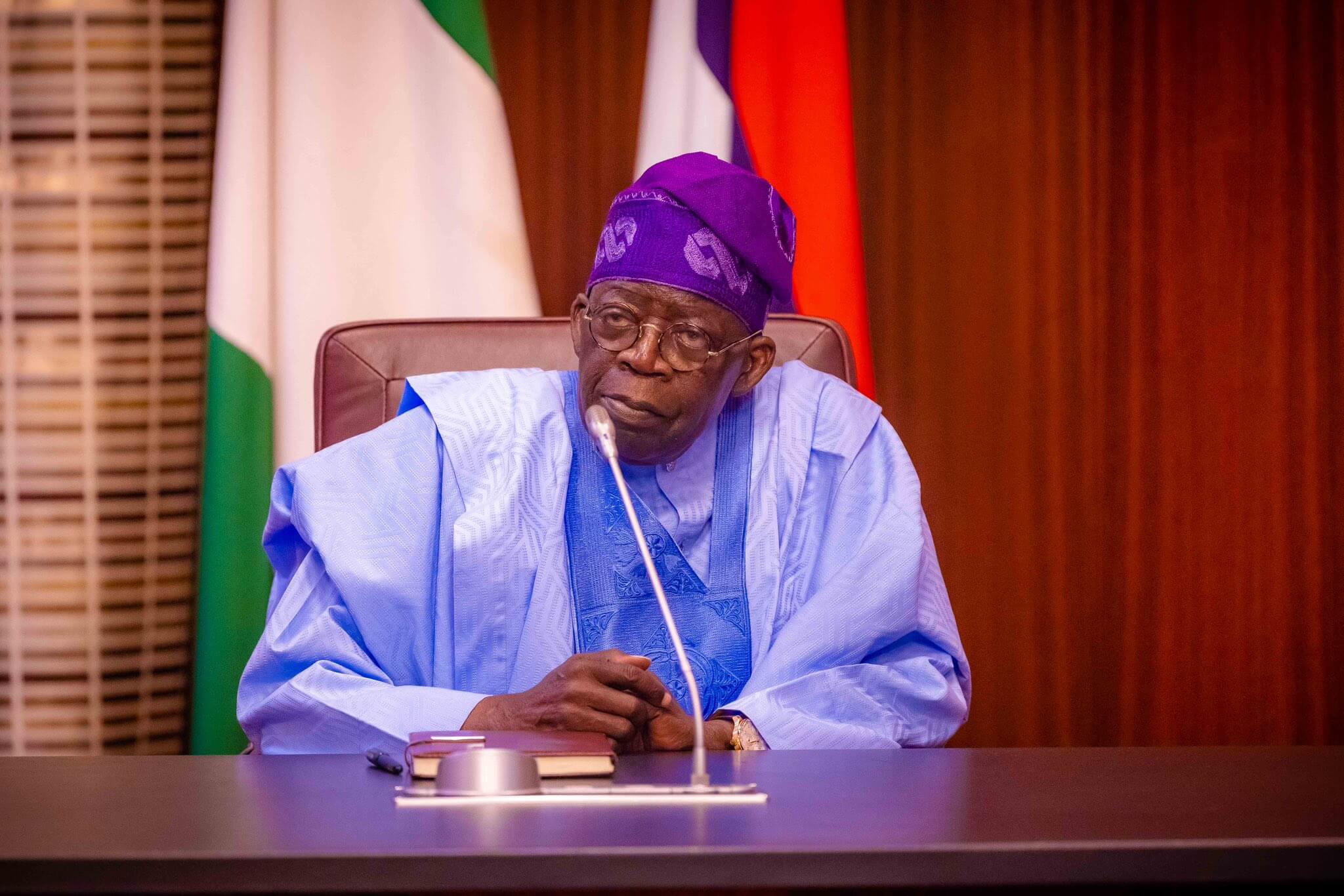
The recent meeting between President Bola Tinubu of Nigeria and President Paul Kagame of Rwanda in Abu Dhabi underscores the evolving partnership between the two African nations. This engagement provides a timely opportunity to reflect on the developmental trajectories of both countries, particularly in essential areas like electricity, healthcare, and transportation infrastructure. While both nations have unique challenges, their shared aspirations for growth and development offer valuable insights into the progress each has made.
Rwanda’s Remarkable Progress
Rwanda’s journey from the devastation of the 1994 genocide to its current status as a beacon of development in Africa is nothing short of extraordinary. The country has made substantial investments in its infrastructure, resulting in significant progress. In the energy sector, Rwanda’s electrification efforts have been commendable, with public investment playing a crucial role. The International Monetary Fund (IMF) notes that Rwanda’s level of public investment is notably higher than many other low-income developing countries, contributing to advances in electricity and other infrastructure sectors. Today, a significant portion of Rwanda’s population has access to electricity, a testament to the country’s focused efforts.
Healthcare is another area where Rwanda has excelled. The country has achieved impressive health outcomes, outperforming larger nations like Nigeria in several key metrics, including life expectancy and child mortality rates. A comparative analysis highlights that Rwanda’s health indicators are a testament to its effective healthcare policies. The introduction of community-based health insurance schemes has significantly improved access to healthcare services, making it one of the most successful models in the region.
In terms of road infrastructure, Rwanda has prioritized connectivity and economic development. The country’s organized approach to infrastructure development has been recognized, with well-maintained roads facilitating easier movement and commerce. This focus on infrastructure has not only boosted economic activity but also improved the overall quality of life for its citizens.
Nigeria’s Developmental Landscape
Nigeria, Africa’s most populous nation, is endowed with abundant natural and human resources. However, the challenge has been translating this wealth into comprehensive infrastructure development. In the energy sector, Nigeria has struggled with inconsistent power supply despite significant investments. The Africa Infrastructure Development Index (AIDI) places Nigeria lower than some smaller African nations, indicating that there is considerable room for improvement. Frequent power outages remain a major impediment to economic growth and the daily lives of its citizens.
Healthcare remains another challenging area for Nigeria. The country’s healthcare indicators lag behind those of Rwanda, with poorer outcomes in immunization coverage and access to clean drinking water. The contrast in healthcare outcomes between the two nations highlights the need for Nigeria to adopt more effective health policies. Many Nigerians still face challenges in accessing quality healthcare, and the health sector requires significant reforms to meet the needs of its growing population.
Nigeria’s vast size poses challenges in maintaining and expanding its road networks. While efforts have been made, the overall quality and accessibility of roads remain areas that need attention. Comparing Nigeria’s infrastructure development with Rwanda’s more organized approach suggests that Nigeria could benefit from adopting similar focused strategies. Improved road networks are essential for boosting trade, reducing transportation costs, and enhancing connectivity across the country.
Mutual Lessons and Opportunities
The developmental experiences of Rwanda and Nigeria offer valuable insights for both countries. Rwanda’s focused investment in infrastructure, guided by clear governance and accountability, has been instrumental in its success. Nigeria could learn from this approach, ensuring that resources are allocated efficiently and strategically. A more disciplined and transparent approach to infrastructure development could help Nigeria achieve its developmental goals.
Rwanda’s community-based health insurance schemes have significantly improved healthcare accessibility. Nigeria might consider adopting and adapting such models to enhance its healthcare coverage. Additionally, Rwanda’s stringent anti-corruption policies have created a conducive environment for development. Nigeria’s efforts in tackling corruption could be intensified to ensure that public resources are used effectively for the benefit of its citizens. By addressing corruption, Nigeria can unlock significant potential in its public sector and enhance service delivery.
Both nations stand to gain from each other’s innovative approaches. Nigeria’s experience in managing a large and diverse population offers lessons in scalability and inclusivity. Meanwhile, Rwanda’s agile and responsive policy implementation provides valuable insights into effective governance. Collaborative efforts in areas such as technology, agriculture, and education could further strengthen the ties between the two countries and foster mutual growth.
As we reflect on this, the meeting between Presidents Tinubu and Kagame symbolizes a commitment to mutual growth and collaboration. By analyzing and learning from each other’s developmental journeys, Nigeria and Rwanda can adopt best practices suited to their unique contexts. This exchange of ideas and experiences holds the promise of improved infrastructure and enhanced quality of life for their citizens, setting an example for other African nations to follow.
As both countries continue to forge stronger ties, their combined efforts in infrastructure development, healthcare, and governance could significantly contribute to the overall progress of the African continent. The partnership between Nigeria and Rwanda is a testament to the potential of African nations to collaborate and achieve shared prosperity, providing a blueprint for sustainable development across the region. GMTNewsng
Follow GMTNewsng on our WhatsApp channel: https://whatsapp.com/channel/0029VarY28K1iUxbytaMSE3q