
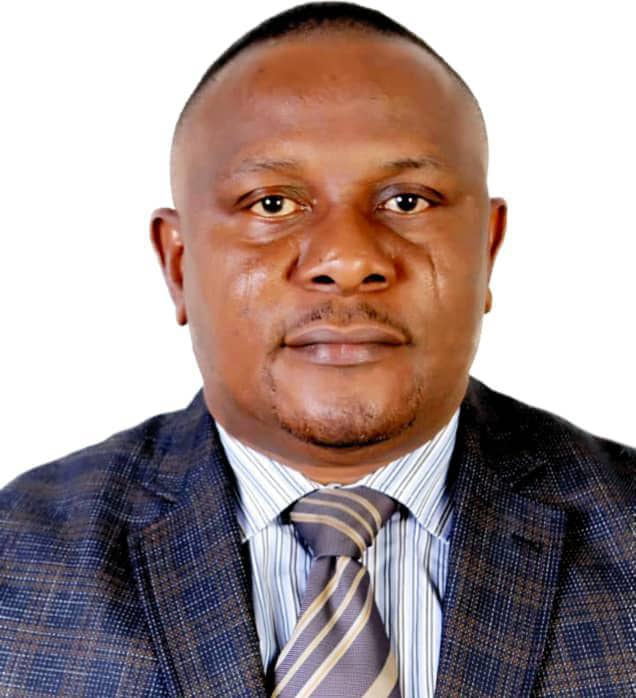

In an illuminating interview with Dr. Felix Nnamani, the Commissioner for Water Resources, we delve deep into the transformative journey of Enugu State’s water systems. The Ministry of Water Resources, under Dr. Nnamani’s stewardship, oversees a trio of pivotal agencies each playing a unique role in water provision and sanitation across the state. The Water Corporation focuses on supplying quality potable water to residents of Enugu metropolis; the Enugu State Rural Water Supply and Sanitation Authority (ENRUWASSA) ensures that all 476 communities in the state have access to potable water; and the Enugu State Small Towns Water Supply and Sanitation Agency (ESTOWA) serves as an interventionist body targeting populations ranging from 5,000 to 20,000 people with essential water services.
Dr. Nnamani reflects on the dire state of water availability in Enugu prior to the current administration, describing a scenario where the infrastructure was virtually non-existent. He expresses profound gratitude to His Excellency, Dr. Peter Mbah, for not only taking a personal and hands-on approach to addressing the water crisis but also for embarking on an exhaustive study and inspection of the state’s water facilities in areas such as 9th Mile, Oji River, and Ajali. Dr. Mbah’s commitment was evident during his campaign, promising to deliver accessible potable water to the residents of Enugu metropolis within his first 180 days in office—a promise he has fulfilled remarkably according to Nnamani.
At the onset of this administration, the challenge at the 9th Mile project site, referred to as a “crash program,”now Ultra modern water project was profound, with 12 boreholes identified, none of which were operational. This situation set the stage for an ambitious plan to revitalize and modernize Enugu’s water infrastructure, a journey that Dr. Nnamani is eager to share with us.
Honourable Commissioner Felix Nnamani had a chat with the GMTNewsng crew of Chijioke Ogbodo and Kenechukwu Nnamani.
Excerpts:
GMTNewsng.com: Commissioner Nnamani, Enugu State’s water infrastructure has seen tremendous improvement recently. To what extent is Governor Mbah personally invested in these water initiatives?
Commissioner Nnamani: Governor Mbah is deeply committed to shaping our water policies. He understands that water is fundamental to socio-economic development, and he is directly engaged in strategic planning and execution. His resolve is that every Enugu citizen will have access to potable water, and this personal commitment at the highest level of our state government has greatly impacted our momentum and success.
GMTNewsng.com: How has the collaboration with federal agencies and other stakeholders under Governor Mbah’s administration contributed to the progress in the water sector?
Commissioner Nnamani: This administration places a strong emphasis on partnerships and collaborations. We believe that cohesive efforts between state and federal agencies are essential to bring about systemic change. Governor Mbah has been instrumental in forging these alliances, ensuring that we are working together towards the same goal of water sustainability for Enugu State.
GMTNewsng.com: Can you tell us about any new technologies or innovative approaches that have been introduced in the water sector during Governor Mbah’s tenure?
Commissioner Nnamani: Certainly. Under the governor’s leadership, we have embraced new water purification technologies and are exploring renewable energy sources to power our water supply systems. Innovations in water conservation and distribution have also been prioritized, ensuring efficiency in our delivery networks. These modern approaches are changing the face of water accessibility in Enugu.
GMTNewsng.com: With the ongoing development in water infrastructure, how does the government ensure that these efforts are sustainable and unaffected by political shifts or potential changes in administration?
Commissioner Nnamani: Sustainability is at the core of our project designs and implementation, an aspect Enugu State Government under Governor Mbah champions tirelessly. The systems and policies we are putting in place are structured to stand the taste of time. Additionally, the governor advocates for legislation to protect these water projects and enshrine the principles of sustainability within them.
GMTNewsng.com: In the wake of these significant advancements, how has the public perception changed towards the government’s capabilities in managing water resources?
Commissioner Nnamani: The transformation has been positively received. Public trust is building as residents see tangible improvements in water supply and infrastructure. The government’s transparency in communicating milestones and future projects under Governor Mbah has played a crucial role in this perceptual shift.
GMTNewsng.com: Often, large governmental initiatives come with bureaucratic challenges. How has Governor Mbah’s administration navigated these to keep water projects on track?
Commissioner Nnamani: Indeed, bureaucracy can be a barrier, but Governor Mbah’s administration emphasizes efficiency and agility in governance. We’ve taken a streamlined approach, cutting through red tape that typically slows down infrastructure projects. This agile method has been imperative in sticking to our timelines.
GMTNewsng.com: The focus on water resource management has been pivotal in the current administration. Can you highlight any educational campaigns or public awareness initiatives that your ministry has implemented to promote water conservation?
Commissioner Nnamani: Absolutely. The Ministry of Water Resources understands that infrastructure alone isn’t enough. Alongside these developmental projects, we have rolled out extensive educational campaigns promoting water conservation. We’ve initiated school programs, community workshops, and media campaigns to raise awareness about the importance of water conservation. These initiatives are designed to change the public’s water use habits for the better, fostering a culture of responsible water consumption in Enugu State.
GMTNewsng.com: Amidst the focus on urban areas, how is the current administration addressing water issues in the rural communities of Enugu State?
Commissioner Nnamani: Governor Mbah’s commitment to water infrastructure is inclusive, ensuring that rural communities are not left behind. We have deployed mobile water purification systems to remote areas and are constructing additional boreholes in these communities. The governor is also advocating for policies that encourage investment in rural water supply projects. It’s a holistic approach that guarantees that as the urban centers thrive in water resource management, the rural areas also experience equal advancements.
GMTNewsng.com: Finally, with these significant developmental strides in the water sector, what do you foresee as the impact on Enugu state’s overall growth and citizen welfare?
Commissioner Nnamani: Water is life, and the provision of a reliable water supply unleashes the potential for economic growth and improved public health. We foresee industries flourishing, agriculture stabilizing, and a higher standard of living. Ultimately, we’re not just improving infrastructure; we’re enhancing the quality of life for every Enugu resident. Governor Mbah’s leadership in the water sector is, without doubt, catalyzing a brighter future for our state.