Al Qaeda in Mali: Militants Close in on Bamako as Nation Faces First Ever Terrorist Takeover
By GMT News International Desk
November 1, 2025 | Enugu
The extremist network Al Qaeda in Mali has pushed to within striking distance of the country’s capital, Bamako, in what analysts warn could soon become the world’s first instance of an entire nation being run by a U.S.-designated terrorist group. Reports from The Wall Street Journal reveal that fighters belonging to Jama’at Nusrat al-Islam wal-Muslimin (JNIM), Al Qaeda’s local affiliate, have surrounded the city through a combination of sieges, blockades, and territorial expansion that have steadily eroded state control.
According to The Wall Street Journal, JNIM forces have imposed an economic chokehold around Bamako, disrupting supply chains and preventing essential goods – especially fuel and food – from reaching the capital. The militants’ strategy, experts say, is designed to weaken the morale of both civilians and the military without initiating a costly frontal assault. This slow, calculated advance is heightening fears across the Sahel that Al Qaeda in Mali may soon transition from a guerrilla movement to a governing power.
A city under siege
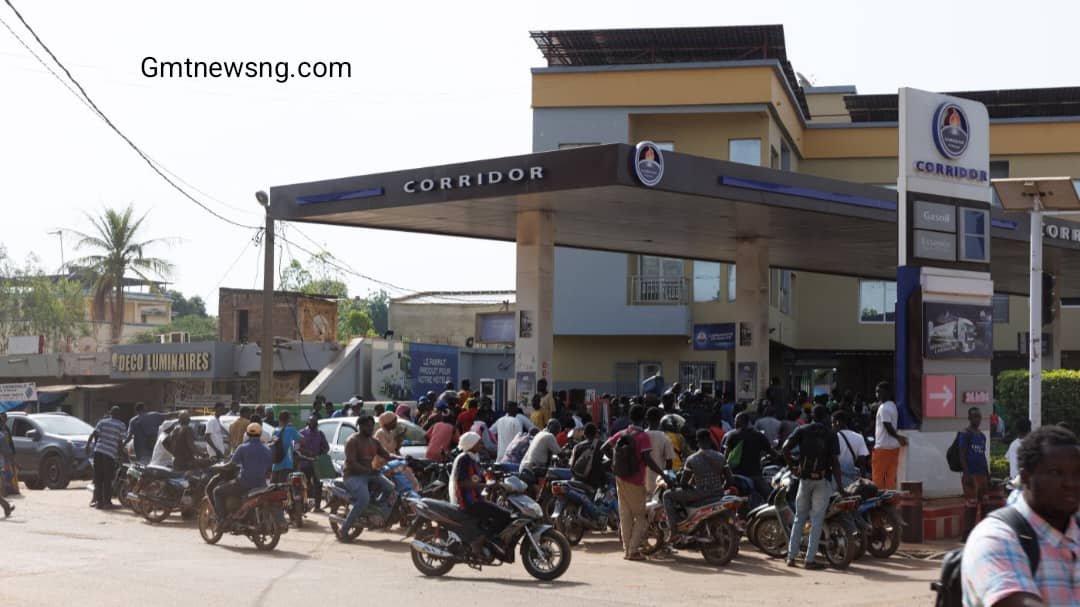
Mali’s military authorities confirmed this week that the insurgents had tightened control over major routes linking Bamako to northern and central regions, effectively isolating the capital. In response, schools have been shut and government offices are scaling down operations as fuel shortages cripple transport, electricity supply, and basic services.
Reuters reported that the junta is now racing to secure emergency petroleum imports through Russia after local refineries and depots came under pressure from the blockade. Long queues at filling stations and sporadic power cuts have left residents fearful of a full collapse of daily life.
Historical significance
If Bamako falls, it will mark a grim historical first – the first national capital to be seized by militants with direct and active ties to Al Qaeda. While Islamist groups have previously held swathes of territory in Afghanistan and Syria, none of those regimes were internationally recognised as Al Qaeda-linked governments. Analysts say that such a scenario in Mali would not only redefine global counter-terrorism strategy but also deliver a potent propaganda victory for Al Qaeda’s global network.
Security officials quoted by The Wall Street Journal warn that Al Qaeda in Mali is demonstrating a new model of insurgency: blending ideological extremism with pragmatic governance tactics. JNIM has reportedly begun mediating local disputes, collecting informal taxes, and providing basic services in some occupied towns—moves aimed at portraying itself as a credible alternative to the struggling state.
A weakened government
Mali’s military government, which came to power through a 2020 coup, has steadily alienated regional and international allies. Following the withdrawal of French forces and the breakdown of cooperation with the United Nations mission, the junta turned to Russian mercenaries from the Wagner Group for battlefield assistance. But observers say this alliance has delivered limited results.
“The junta’s forces are stretched thin, their supply chains are disrupted, and morale is low,” said a regional analyst quoted in the WSJ report. “JNIM is capitalising on that exhaustion.”
The group’s recent surge underscores how Al Qaeda in Mali has evolved beyond hit-and-run tactics into a quasi-political actor. Intelligence sources believe the group is receiving both funding and strategic guidance from Al Qaeda’s central leadership, making it one of the most potent affiliates in Africa today.
Regional and global concern
The possible fall of Bamako has rattled West African capitals and Western intelligence agencies. The United States has ordered non-essential embassy staff to evacuate, while the Economic Community of West African States (ECOWAS) has convened an emergency meeting to discuss coordinated intervention options.
Neighbouring countries such as Niger and Burkina Faso – already battling their own Islamist insurgencies- fear that a jihadist-controlled Mali could become a launchpad for regional expansion. “If Al Qaeda in Mali captures Bamako, it changes everything,” warned a Nigerian counter-terrorism officer. “It will embolden other militant groups and destabilise the entire Sahel.”
Economic and humanitarian fallout
Beyond security implications, Mali’s economy is teetering. The blockade has led to severe fuel scarcity, inflation, and rising food prices. Markets in Bamako are half-empty, public transport has nearly collapsed, and many residents now walk long distances under extreme heat. Humanitarian agencies are warning that if the standoff persists, food insecurity could reach catastrophic levels by mid-December.
In a statement, the United Nations Office for the Coordination of Humanitarian Affairs (OCHA) urged for immediate access to blocked regions to avert a crisis. “Millions could face starvation if supply routes remain closed,” it said.
What lies ahead
Experts believe that Al Qaeda in Mali will likely continue its encirclement of Bamako for several more weeks, tightening economic pressure until the government either collapses or seeks a negotiated truce. Such an outcome could effectively hand the militants political legitimacy without open warfare.
The WSJ report concludes that Mali’s fate now hangs on whether its military can sustain control of the capital and re-establish supply lines. “If they lose Bamako,” one Western diplomat told the paper, “the implications for the global war on terror will be unprecedented.”
For now, Mali remains a nation on the edge – its people trapped between a failing state and a resurgent jihadist force. The world is watching as Al Qaeda in Mali edges closer to making history for all the wrong reasons.
Visit GMTNewsng for for news.