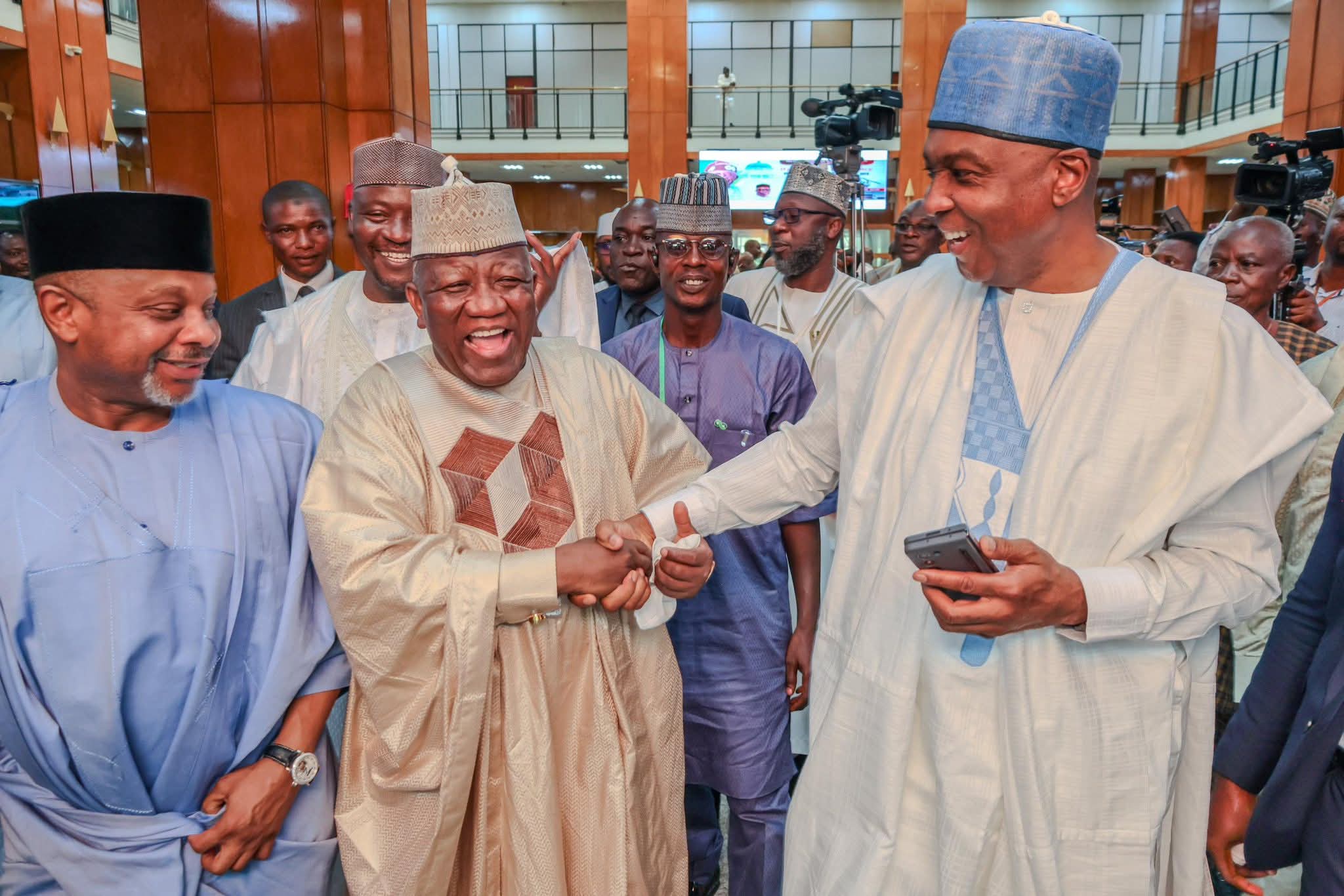
Former Senate President Abubakar Bukola Saraki urges the strengthening of Nigeria’s legislature, warns of the dangers of executive and judicial encroachment, and advocates youth and women inclusion in parliament.
GMTNewsng Editorial Desk
ABUJA, Nigeria – June 12, 2025 – Former Senate President, Dr. Abubakar Bukola Saraki, CON, has raised alarm over what he described as the gradual decline in the effectiveness and independence of Nigeria’s National Assembly, calling on all arms of government to work collaboratively in reinforcing the legislature as a pillar of democracy.
Speaking during a special joint session of the National Assembly on Democracy Day 2025, held inside the House of Representatives Chambers, Saraki delivered a powerful three-minute address titled “The National Assembly and Nigeria’s Democracy in the Last 26 Years.”
Saraki congratulated Nigerians on the 26th anniversary of democracy, paying tribute to the heroes and heroines-both known and unsung-who sacrificed their lives, livelihoods, and liberties to end military rule and usher in civilian governance.
National Assembly as the Bedrock of Democracy
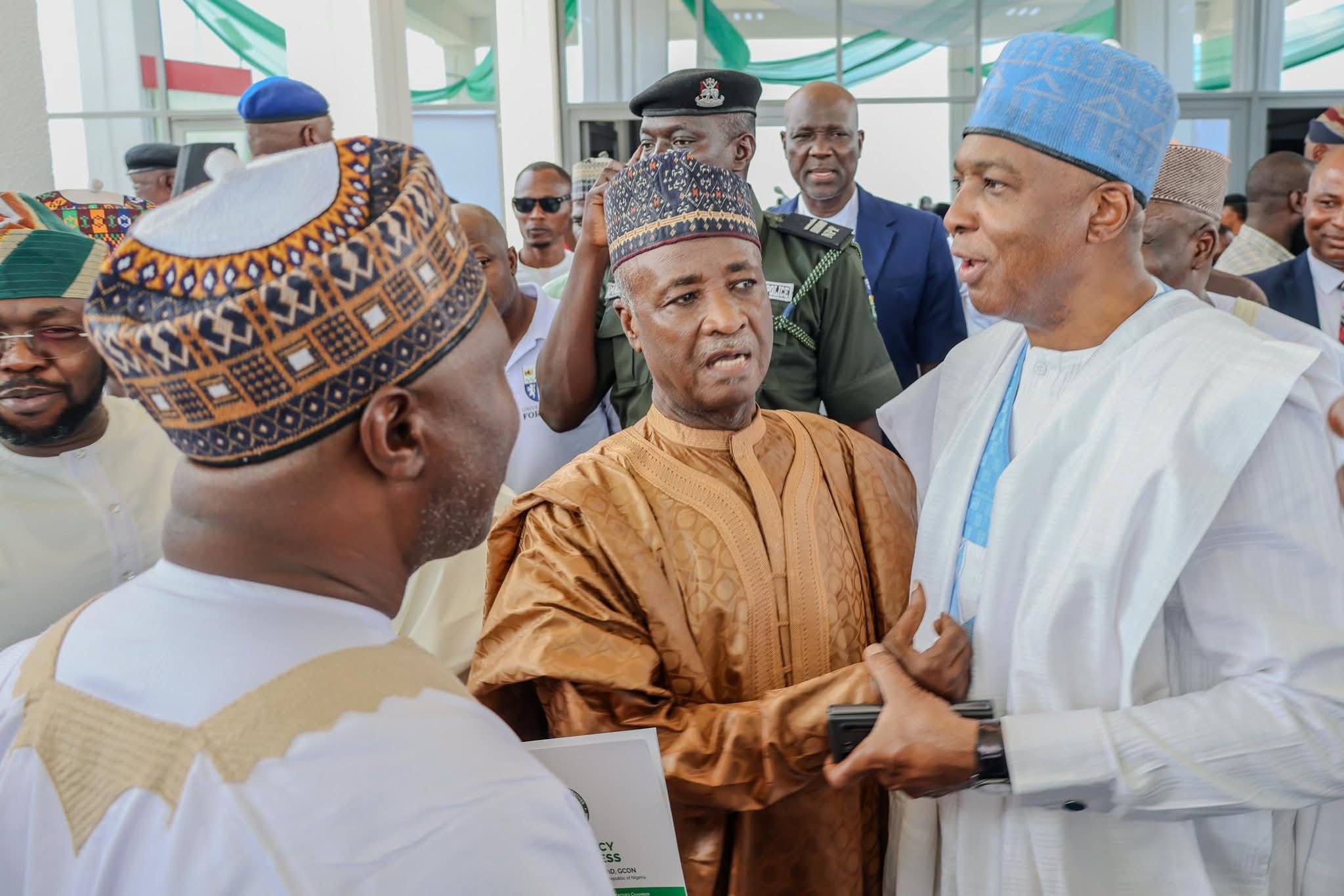
The former Senate President applauded President Bola Ahmed Tinubu’s symbolic decision to join lawmakers at the National Assembly for the Democracy Day celebration, describing it as a recognition of the legislature as the true symbol of democracy.
“Among the three arms of government, the one that best symbolizes, represents, and exemplifies democracy is the parliament,” Saraki stated.
He emphasized that historically, the National Assembly has been instrumental in safeguarding Nigeria’s democracy-from resisting military excesses in the Third Republic, defeating the controversial third-term agenda, invoking the doctrine of necessity during a constitutional crisis, to asserting legislative independence during the 8th Assembly.
Decline of Parliamentary Independence
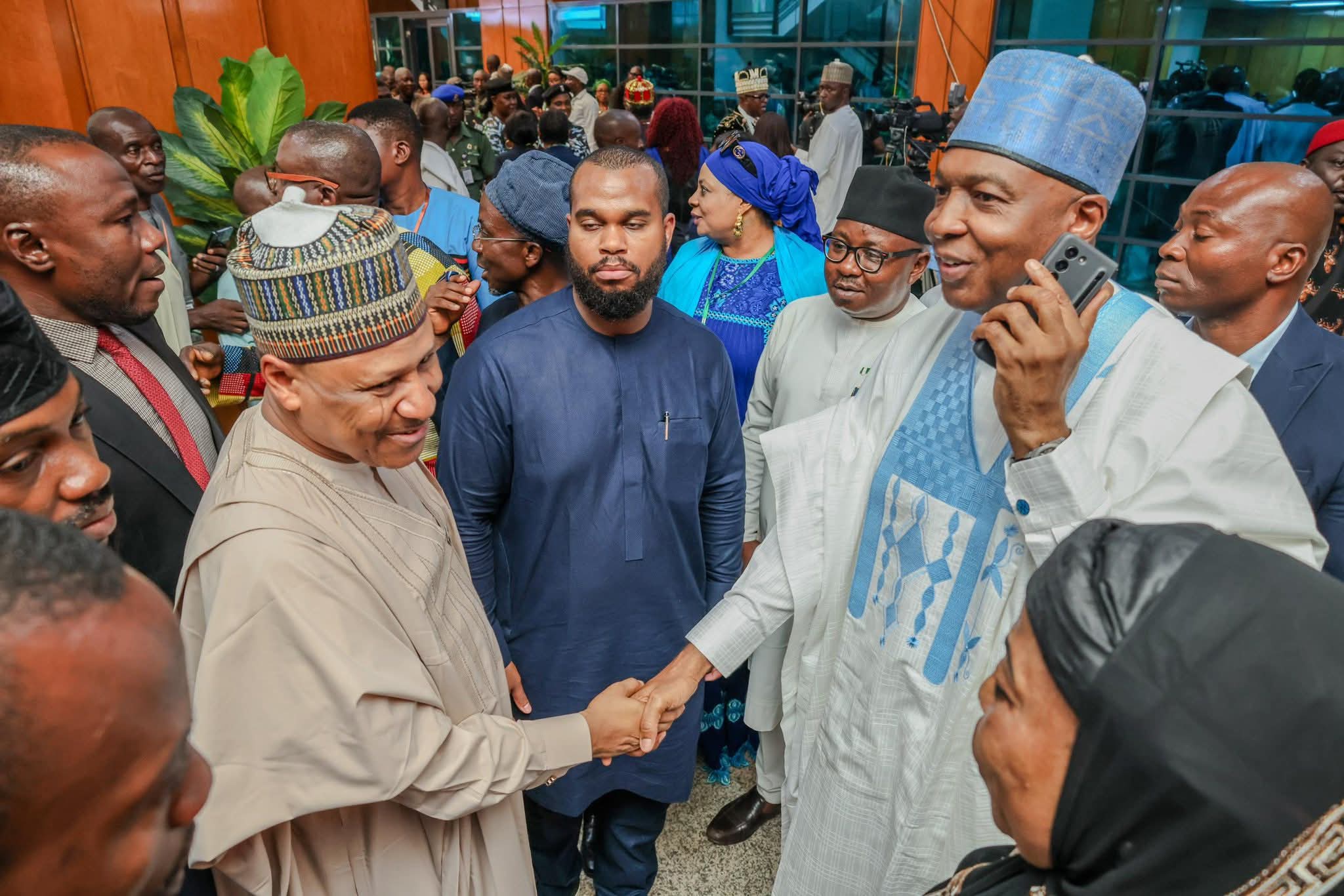
Saraki expressed concern that the National Assembly is becoming “a shadow of what a virile and effective parliament should be,” citing undue interference from both the executive and judiciary.
“From interference in its choice of leadership to misunderstanding its oversight roles, the National Assembly has often come under unwarranted and systemic attack,” he warned.
He called on lawmakers to reclaim their constitutional mandate by standing firm on truth, transparency, and national interest, regardless of political affiliation or pressure from other arms of government.
Protecting Multi-Party Democracy and Free Expression
Saraki stressed the importance of multi-party democracy within the legislature, reminding the session that the AYE and NAY voting culture signifies the plurality of opinions vital to a healthy democracy.
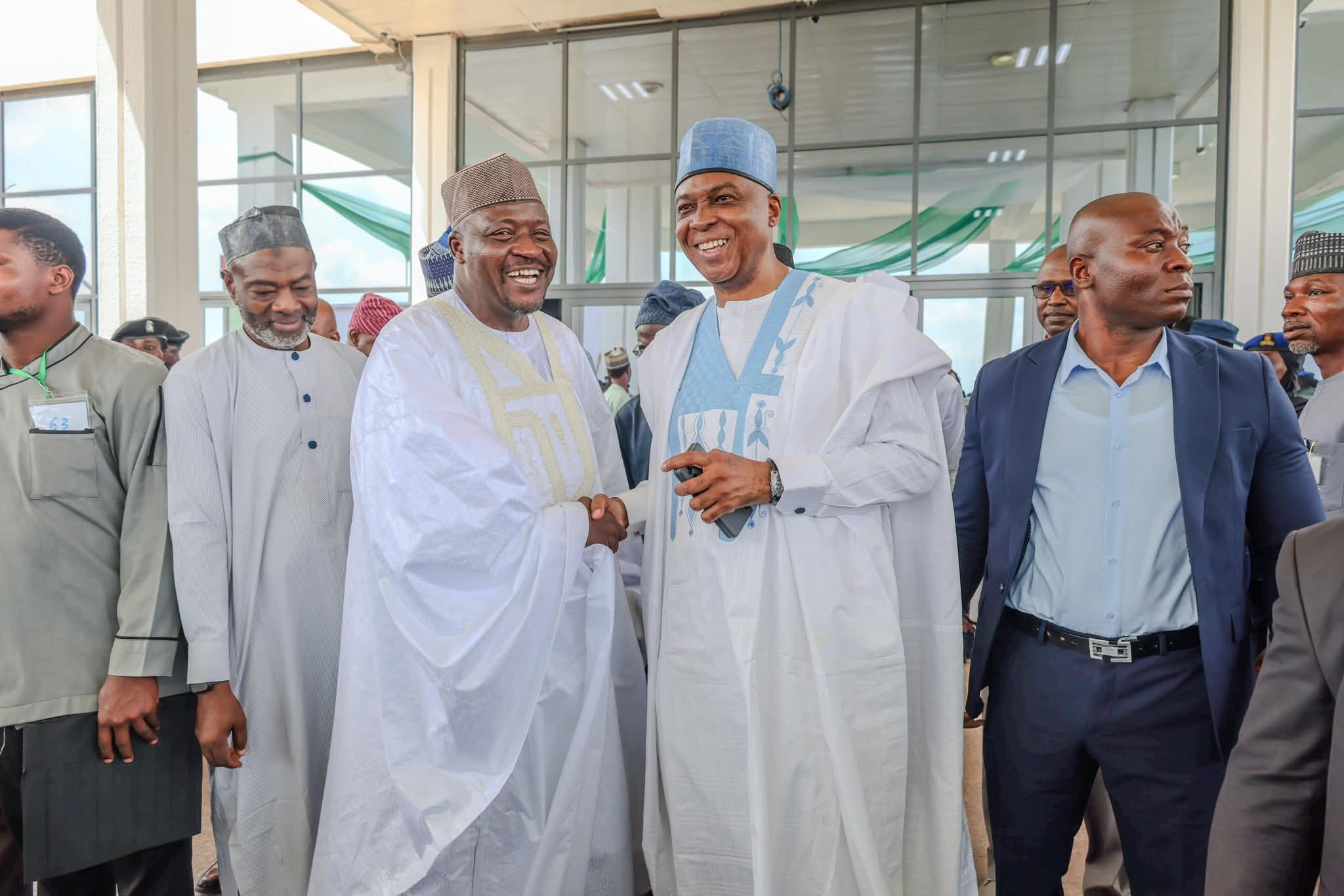
He also highlighted the importance of ensuring the National Assembly remains accessible to citizens, warning that a powerless parliament could lead to public frustration spilling into the streets-a development he described as “dangerous for our democracy.”
Inclusion of Youth and Women in Governance
Looking ahead to the next 26 years, Saraki urged stakeholders to ensure the full implementation of the Not Too Young to Run Act and significantly improve women’s representation in Parliament.
“We must devise various means to boost youth and women participation if our democracy is to thrive sustainably,” he noted.
Bipartisanship and the Spirit of Parliament
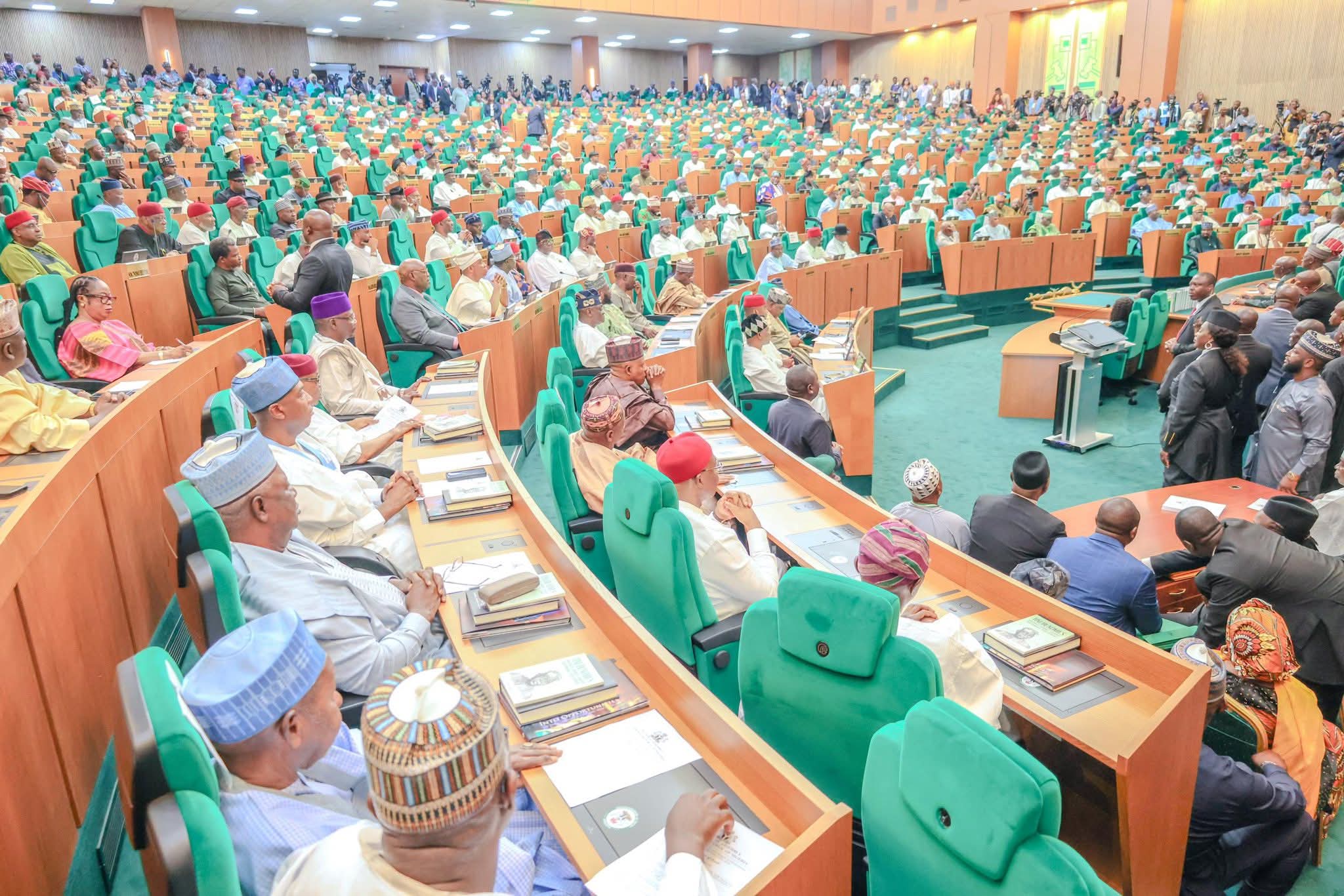
In a moment of candor, Saraki praised Senate President Godswill Akpabio and the 10th National Assembly leadership for inviting him, a member of the opposition, to speak on such a historic occasion. He recounted that his portrait was previously missing from the Senate Gallery for four years until recently restored.
“This does not mean we cannot still disagree on more issues in the future,” he quipped, underscoring the value of respectful bipartisanship.
Saraki closed by reiterating his hope for a more inclusive, vibrant, and independent legislature capable of protecting Nigeria’s democracy in the face of growing institutional challenges. GMTNewsng