● Roberts Ojie Correspondent-at-Large, GMTNewsng
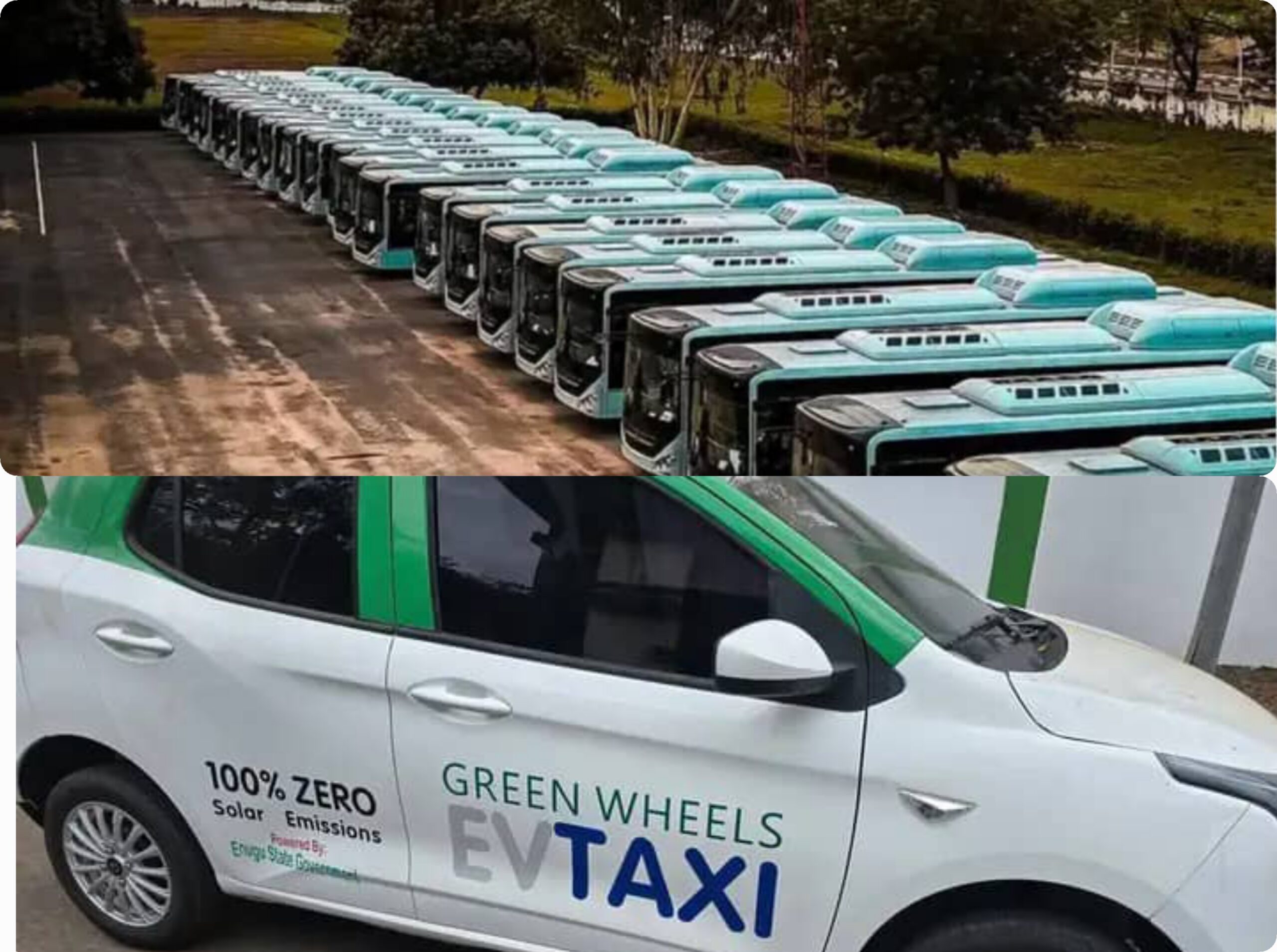
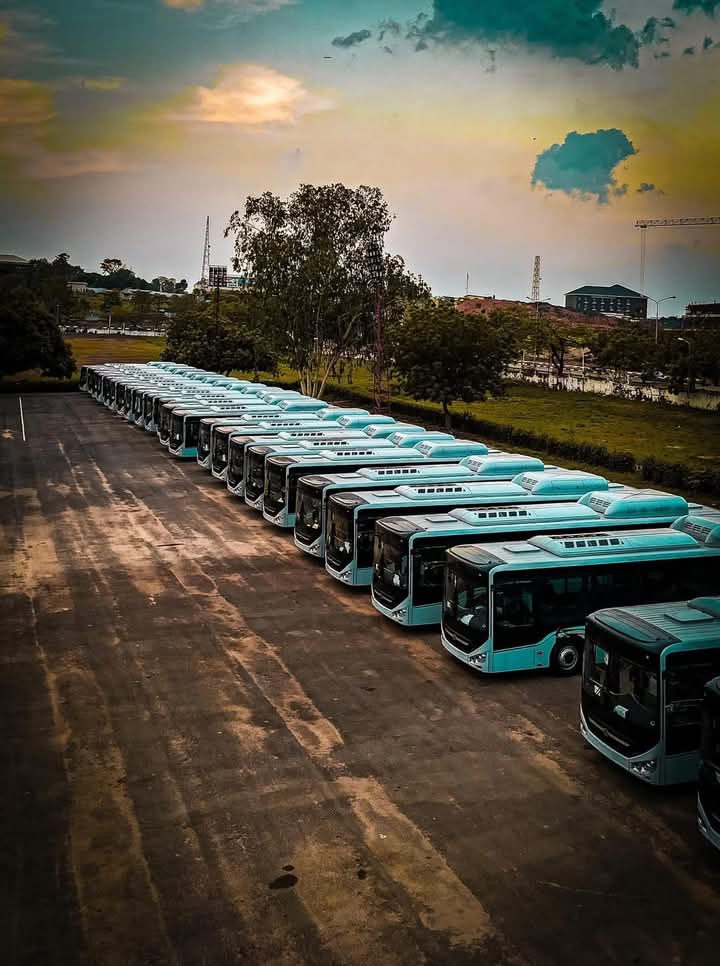
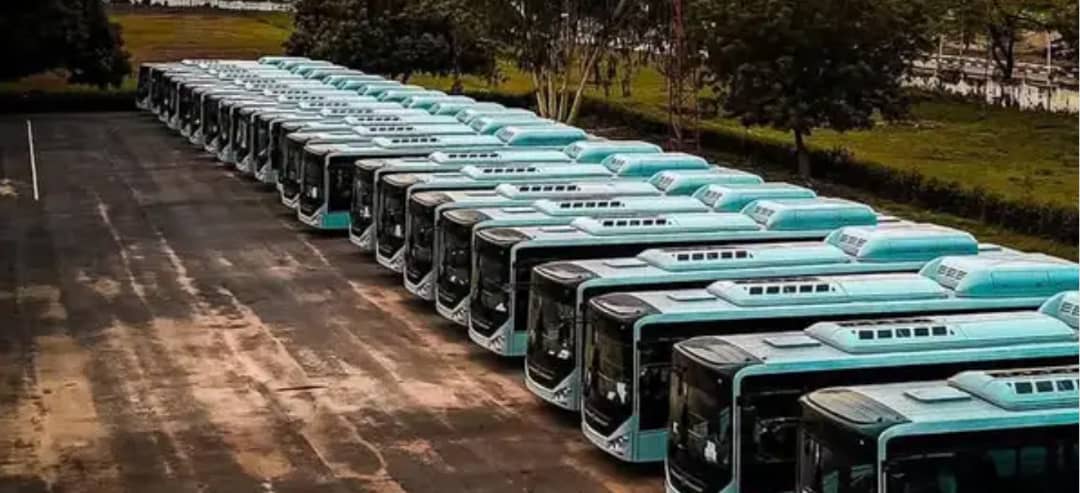
The transport sector in Enugu State is witnessing a game-changing transformation with the introduction of 200 Compressed Natural Gas (CNG) buses into the intra-city transport network. This bold step is not only revolutionizing mobility in the state but is also significantly addressing unemployment, with over 3,000 jobs already created as a direct result of the project.
Each of the 200 new buses is set to run 24 hours a day in shifts, requiring at least two drivers per vehicle – totaling 400 drivers. Additionally, another 400 conductors will be needed, effectively engaging 800 individuals in direct transport operations. This innovative model ensures round-the-clock service, enhanced convenience for commuters, and steady income for workers.
Beyond the drivers and conductors, the ripple effect of this development touches an even larger circle. From mechanics and ticketing agents to supervisors, cleaners, and terminal staff, the new CNG-powered public transport scheme is expected to generate over 1,000 jobs from bus operations alone, providing a significant boost to the local economy.
More striking is the capacity of the terminal infrastructure itself. The entire terminal network, which includes management offices, maintenance bays, control rooms, security posts, and customer service units, is projected to employ over 2,000 additional workers. These are jobs that cut across technical, administrative, and support roles – an unprecedented expansion in the state’s labour market.
“This isn’t just about easing transportation,” said an official familiar with the initiative. “It’s about creating a sustainable employment model and injecting life into the economy. Enugu is not just moving people; we’re moving families out of poverty and into stability.”
With more than 3,000 direct jobs already created and indirect opportunities emerging across allied sectors such as food vending, street retail, logistics, and small-scale vehicle parts supply, this development marks a turning point in Enugu’s urban planning and socioeconomic strategy.
Experts have described the project as a classic case of disruptive innovation – where technology, vision, and policy converge to solve everyday problems while simultaneously addressing bigger structural issues such as youth unemployment and environmental sustainability.
The use of CNG buses also demonstrates the state’s shift towards cleaner energy, reducing carbon emissions and lowering the cost of transportation for both the government and commuters. This eco-friendly approach aligns with global trends in green transport while positioning Enugu as a pacesetter in Nigeria’s subnational urban mobility landscape.
Additionally, Enugu is embracing the Zero Emissions Green Wheels EV Taxi initiative, a key part of its broader strategy to promote sustainable and clean energy solutions. This innovative electric vehicle (EV) taxi service is designed to reduce the state’s overall carbon footprint while offering a more energy-efficient alternative to traditional fuel-powered taxis. The introduction of the EV Taxi fleet enhances Enugu’s reputation as a green city, with environmentally conscious choices that directly benefit the local community.
For many families in Enugu, this initiative means more than transport. “If not for anything,” a local resident remarked, “be happy that someone you know – your cousin, brother, or neighbour – might now have a job. That’s the real revolution happening before our eyes.” GMTNewsng