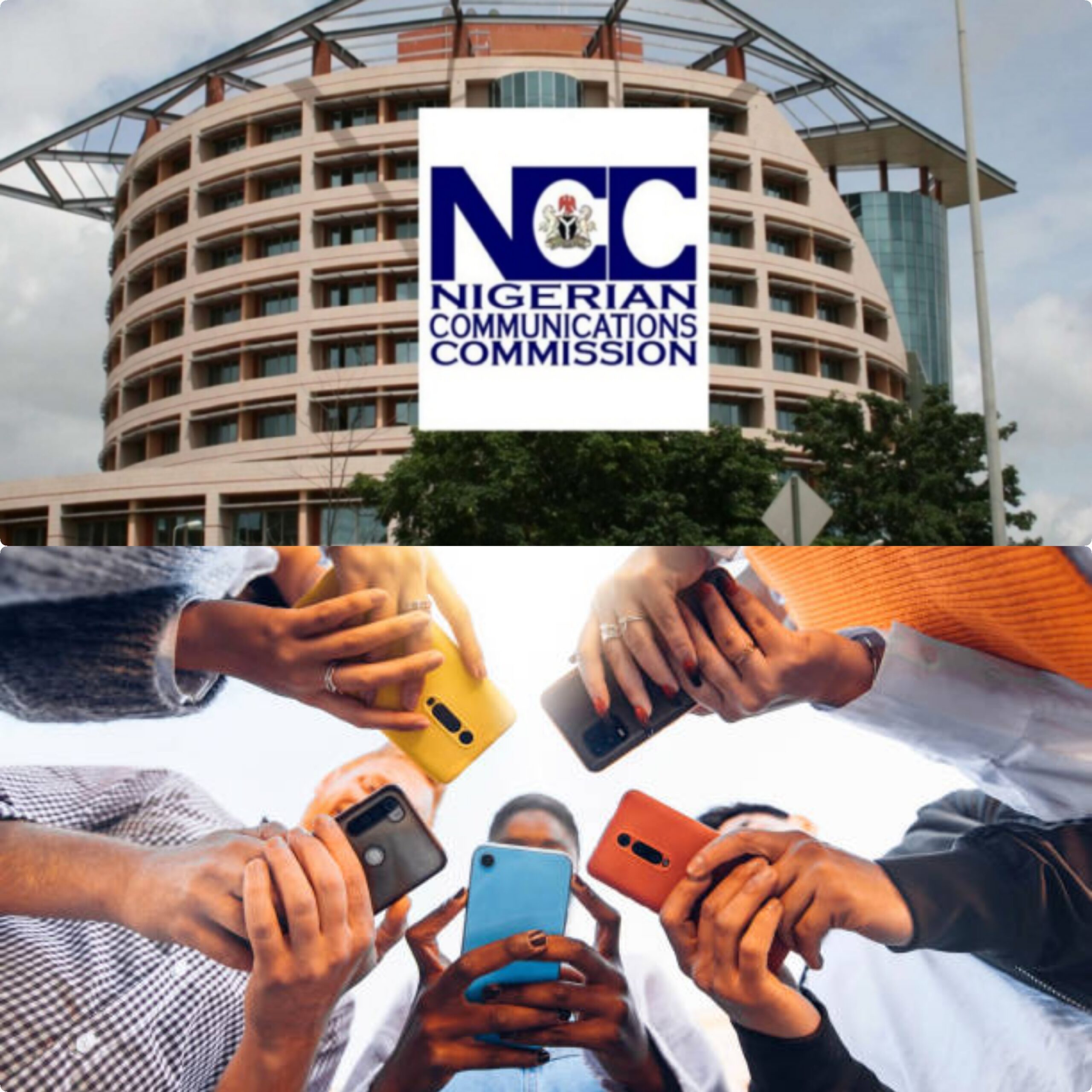
Telecom Subscribers to Sue NCC Over 50% Tariff Hike
Nigerian telecom subscribers are preparing to take legal action against the Nigerian Communications Commission (NCC) following its approval of a 50% increase in tariffs for calls and data services. The decision has drawn widespread criticism, with many arguing it will worsen the already dire economic situation faced by Nigerians.
Deolu Ogunbanjo, president of the National Association of Telecommunications Subscribers (NATCOMS), accused the NCC of failing to involve subscribers in the decision-making process. “The NCC did not carry subscribers along,” Ogunbanjo said in an interview in Lagos. “We suggested a marginal increase of 5% to 10%, but approving 50% is simply too much.”
The increase comes amidst mounting economic pressures on Nigerians, particularly following the removal of fuel subsidies, which has led to a sharp rise in the cost of goods and services. Ogunbanjo emphasized that subscribers are already facing severe hardships. “For what we are already going through, this is a no for us. We will challenge this in court,” he added.
One subscriber, John Adebayo, expressed his frustration, stating, “We were not consulted, and now we are left to deal with the consequences. It’s unfair, especially when service quality hasn’t improved.”
Another subscriber, Mary Okafor, questioned the timing and necessity of the hike. “With the current economic challenges, this is the worst time for such an increase. We are paying more but still getting poor service,” she said.
Chidi Nwosu, another disgruntled subscriber, lamented the lack of transparency in the process. “They claim to have consulted stakeholders, but where was the consumer voice? We only heard about it after the decision was made,” he said.
The NCC, in a statement, justified the increase by citing rising operational costs and claimed the hike was necessary to ensure the sustainability of the telecom industry. The commission noted that the approved 50% increase was lower than the 100% requested by some operators.
The regulatory body also referenced Section 108 of the Nigerian Communications Act, 2003, which grants it the authority to regulate and approve tariff rates. The NCC emphasized that the decision was made after consultations with various stakeholders.
Ogunbanjo, however, proposed alternative solutions, such as allowing telecom operators to raise funds through public share offerings. “This would be a more inclusive approach, enabling Nigerians to invest in the industry rather than burdening them with high tariffs,” he suggested.
Despite the NCC’s explanations, many subscribers remain unconvinced, with NATCOMS committed to challenging the tariff hike in court. “We are not backing down. The financial burden on Nigerians is already overwhelming, and this increase is unacceptable,” Ogunbanjo asserted.
As the legal confrontation looms, Nigerians are left to cope with the dual challenges of rising telecom costs and inconsistent service quality, raising concerns about the future of the industry. GMTNewsng